






Freshfel Europe urges major policy shift to prioritize fresh produce



The fresh fruit and vegetable association Freshfel Europe is urging the European Union to conduct a comprehensive review of its nutrition policies following the release of the updated EAT-Lancet report on “Healthy, Sustainable and Just Food Systems.”

The trade organization says current approaches are not aligned with public health and environmental objectives and continue to favor ultra-processed foods over fresh produce.
“Fresh fruits and vegetables are Europe’s most underused resource in confronting today’s crises,” says Philippe Binard, General Delegate of Freshfel Europe. “The support for agricultural production should be better aligned with nutritional and dietary guidelines. This is not the case for the moment.”
Freshfel is calling for the European Commission to initiate a coordinated action plan that places fruits and vegetables at the center of the EU’s food, health, agriculture, and environmental policies. The group also recommends that all future legislation undergo health and sustainability impact assessments to ensure coherence with broader EU goals.
The crucial role of the fresh produce industry in the EU
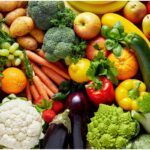
Average fruit and vegetable consumption across the EU remains significantly below recommended levels, Freshfel warns. While combined health and sustainability guidelines advise 28.2 ounces of fresh produce per person per day, actual intake is not even half of the official recommendation, averaging around 12.3 ounces.
This shortfall contributes to high rates of chronic diseases, which account for 90 percent of deaths in the EU. More than half of European adults are overweight, and nearly one in six is classified as obese, according to the organization.
“The EU cannot afford to ignore the power of fruit and vegetables. They are the foundation of healthier citizens, a healthier planet, and a competitive rural economy,” says Binard.
The group also highlights the environmental advantages of the fresh produce sector, citing lower carbon emissions, more efficient water use, and a unique capacity for carbon sequestration that contributes to the EU’s climate goals.
“A holistic review of agricultural, fiscal, health, environmental, and education policies is urgently needed,” Binard adds. “The current policy framework has fostered a deep imbalance with production growth destined to the food industry, conflicting with the need for a supply of healthy agricultural products needed according to health and nutritional guidelines.”
Related stories
European strawberry market shows strengths amid rising challenges, says Freshfel





Subscribe to our newsletter