







California fig industry keeps pace amid delayed start
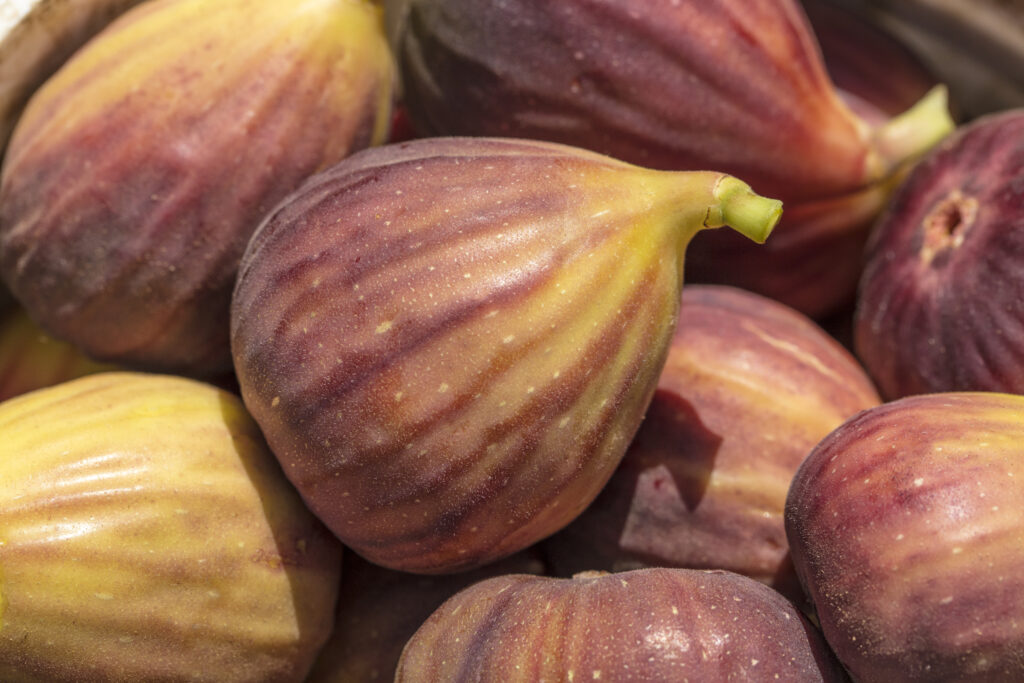



The California fig industry’s promotional timing is on schedule, despite cool weather pushing harvest back at the beginning of the season. Following a bountiful first crop—also known as breba—picked in May and June, the sector is looking forward to the main harvest in November.

Producers expect to maintain their momentum into the 2025 season, with a projected crop of nearly ten million pounds.
Fig-uring it out: Offsetting a late start with strong demand
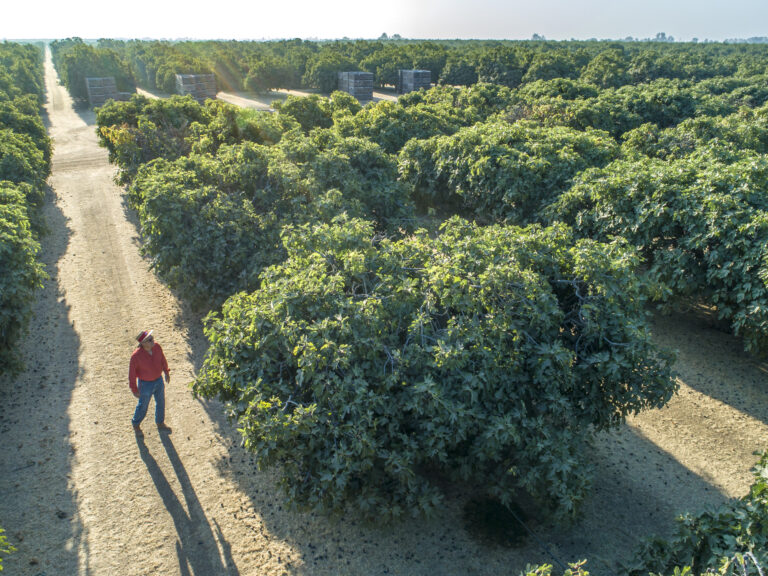
This year’s harvest delay did not affect shipment schedule or push changes in promotions between the breba and main crops, California Fig Advisory Board CEO Karla Stockli tells FreshFruitPortal.com.
“Demand from retailers remained strong, so orders were in place when figs were ready to ship. The fruit has been well-received,” she says.
Looking at the season’s estimate, Stockli, who also acts as CEO of the California Fresh Fig Growers Association, says there are no oversupply concerns. She explains demand is high for the fresh market and that the industry is responding accordingly by planting more trees to meet growing consumer demand.
As for promotion efforts, the California fig industry continues to lean into current consumer trends and innovative marketing to build demand.
“Figs are, fortunately, a media and influencer darling,” Stockli says. “Our primary strategy is getting product to media and influencers to see how they integrate fresh figs into today’s trends.”
One new trend, the executive notes, includes a now viral fig carpaccio recipe, which, the board hopes, may offer cross-merchandising opportunities at retail. The preparation involves flattening out the fresh figs and topping them with cheese, nuts, and honey, and serving them with crackers.
Emerald—the new California fig jewel

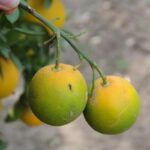
A notable development this season is the introduction of the Emerald fig variety. While supply remains low for its debut year, early interest has prompted increased planting, Stockli states.
With a light green skin and a creamy, golden interior, the cultivar is becoming known for its crème brûlée-ike flavor, making it adequate for both fresh eating and baking.
Beyond the fresh segment, California fig growers see continued opportunity in value-added and export markets. Diced, extruded-diced, paste, and juice concentrate are very popular domestically and internationally, Stockli adds.
These products, which can be used in sauces, baked goods, snacks, and even jams, make up about 50 percent of the California fig industry’s market composition.
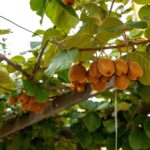
About 99 percent of commercially grown California figs are self-pollinating, including well-known varieties such as Mission, Brown Turkey, and the newcomer Emerald.
The Golden State is the sole producer of commercial figs in the United States, with both fresh and dried products serving retail, ingredient, and export markets.
*All photos courtesy of the California Fig Advisory Board.
Related stories
California's fresh fig season is officially on


Subscribe to our newsletter