







Fruits of change: FAO pushes to put farming at the core of COP30 talks


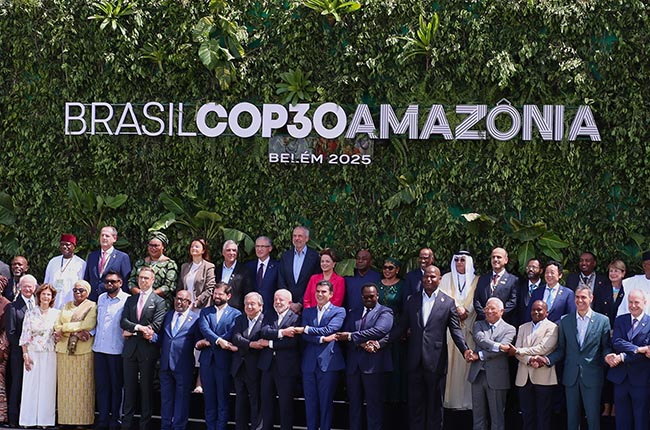
As world leaders prepare to convene in Belém, Brazil, for the 30th United Nations Climate Change Conference (COP30), the Food and Agriculture Organization of the United Nations (FAO) is urging negotiators to make food and farming central to global climate strategies.

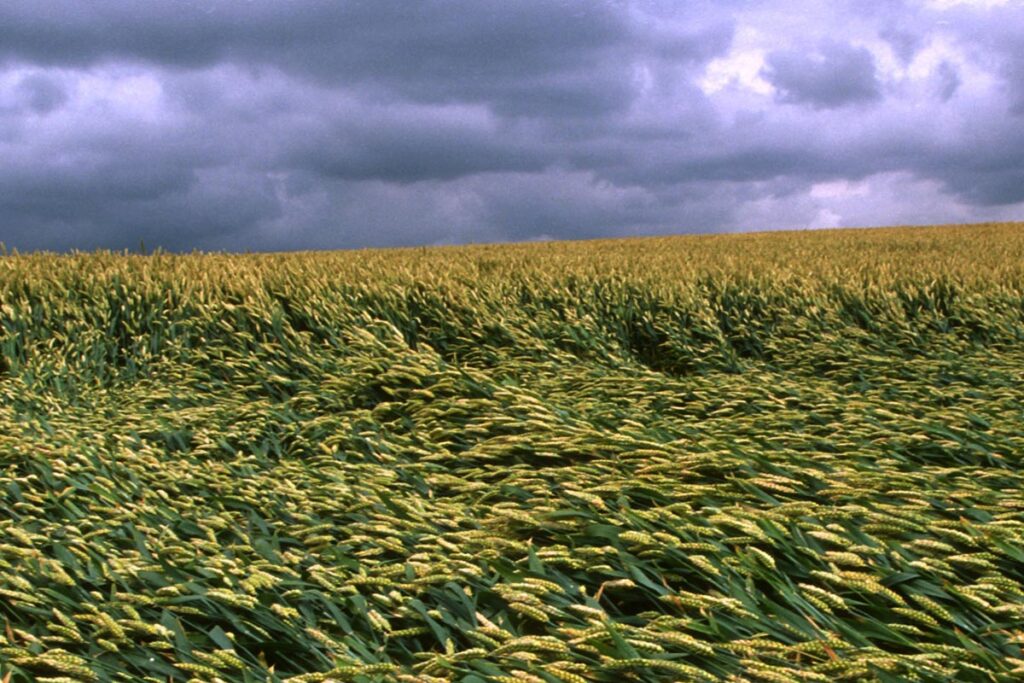
“It’s not a distant threat—it’s happening now,” says FAO Office of Climate Change, Biodiversity and Environment (OCB) Director Kaveh Zahedi. “Climate extremes are already disrupting food and agriculture. Yields are dropping, and unpredictable weather makes harvesting increasingly difficult. We’re also seeing a surge in pests and diseases.”
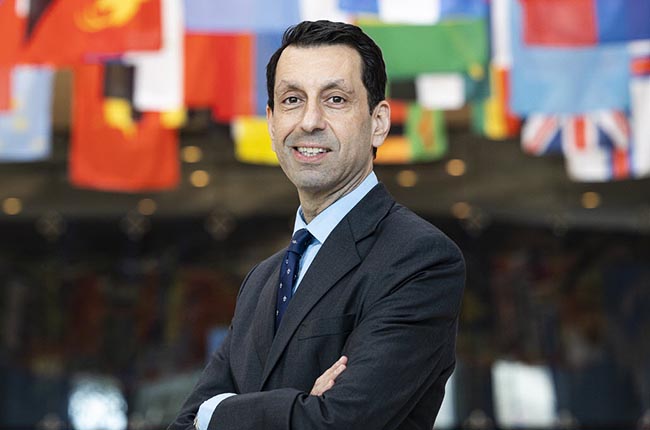
Zahedi notes that the impacts of climate change are already contributing to global hunger, which affects around 700 million people worldwide.
“If we fail to act, the outlook is stark: in some regions, rain-fed agriculture could become impossible; in others, land will no longer be suitable for food production. Already, one-third of global agricultural land is degraded,” he adds.
Agriculture at the center of climate action
Zahedi emphasizes that sustainable and resilient agrifood systems are key to meeting both climate and food security goals.
“Without transforming agriculture and food systems, achieving the Paris Agreement is nearly impossible,” he says.
FAO’s top priorities for COP30 include placing agrifood systems at the heart of COP decisions, integrating agriculture-based climate solutions into national climate plans, and mobilizing more financial support for farmers and rural communities.
“Currently, only about four percent of climate-related development finance reaches sectors responsible for food production, crop production, livestock, fisheries, and forestry—this must change,” he stresses.
The organization is supporting COP30’s Action Agenda on agrifood systems and working to amplify the voices of farmers, smallholders, and indigenous peoples, who are often the most exposed to climate risks.
Traditional knowledge and resilient landscapes
Zahedi says FAO also wants COP30 to highlight the role of indigenous people and forests in climate action.
“You cannot address agriculture or forests without engaging Indigenous Peoples. Their traditional knowledge is invaluable for building resilience and safeguarding our future in the face of climate uncertainty,” he says.
Zahedi also pointed to initiatives in Brazil’s Bahia region, where farmers are restoring cabruxa, a traditional system in which cocoa trees grow under a canopy of native forest species: “As the initiative shows, supporting those who work the land is the surest way to secure the planet’s future.”
FAO expects the summit to reaffirm that agriculture and food systems are “the strongest line of defense against the climate crisis.” The organization is calling for greater investment in adaptation, resilience, and sustainable forest management.
“COP30 must be the moment when agrifood systems move from the margins to the center of climate action,” Zahedi concludes.
*All images courtesy of FAO
Related stories

Subscribe to our newsletter