







Will I get my money back? Your tariff refund questions, answered.
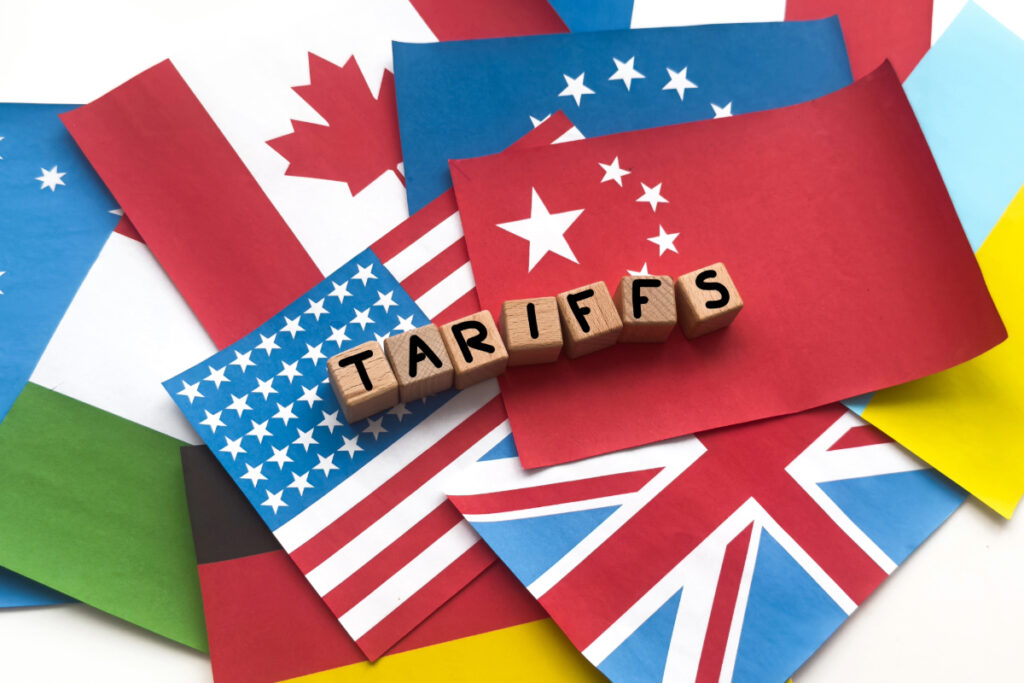



After the US Supreme Court's 6-3 decision that deemed President Donald Trump's tariffs under the International Emergency Economic Powers Act (IEEPA) illegal, questions started pouring in from every link in the supply chain.

But in a sea of uncertainty, one question is definitely the loudest: Will there be a tariff refund, and if so, when will it happen?
The 170-page SCOTUS decision didn't specify whether the US Government has to return the approximately $325 billion in revenue collected under IEEPA tariffs or, if so, what the process would look like. However, since the money entered fiscal coffers illegally, according to the court's ruling, it should be returned to those who paid the tariffs, namely, importers and exporters.
While the dust settles, experts recommend gathering as much documentation as possible and working with attorneys and brokers to build the strongest possible case to secure a potential tariff refund.
What does IEEPA have to do with tariffs?
The statute was the centerpiece of President Trump’s agenda since the beginning of his second term.
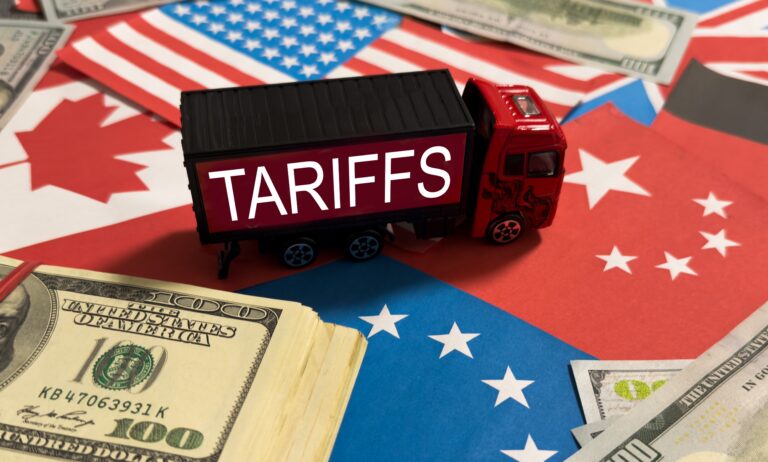
On January 20, 2025, the administration invoked IEEPA and announced a tariff increase on three major US trade partners—Canada, Mexico, and China.
The executive argued that the existing trade imbalance between the US and other countries constituted an economic emergency that threatened the nation's best interests and national security.
Since then, the White House used the act to impose tariffs on several countries, which have been the cornerstone of important trade deals, the most recent with India, that span far beyond import levies.
I’m an importer. Do I get a tariff refund?
Unfortunately, that's still unclear. One of the questions stakeholders expected the SCOTUS ruling to answer was whether all importers, producers, and distributors who paid tariffs would be entitled to a refund, or only the plaintiffs named in the court proceedings.
As we now know, this question remains unanswered, and we'll probably need to wait before we hear back from the US Court of International Trade (CIT), which is now handling this issue. If you want to be extra careful, you may want to consult with your legal team about reactively filing affirmative litigation to protect your entries from liquidation, apply for a tariff refund, and safeguard future entries.
Otherwise, you should start working with customs brokers and lawyers to make sure all documentation is ready as soon as the CIT provides guidance on how to proceed.
To start, keep an eye on all entries close to liquidation. Once the United States Customs and Border Protection (CBP) liquidates imports, there are fewer opportunities to obtain a successful tariff refund.
Those with entries whose liquidation dates are approaching can work with their legal team to request an extension from CBP. US customs law allows the agency to extend liquidation for up to three years, one year at a time.
In the case that an entry was already liquidated, importers or other actors in the supply chain with stakes in the entry can file a protest within 180 days of the liquidation date.
Do all importers get a tariff refund?
Even though a formal protocol has yet to be announced by the CIT and there's little precedent to go by, it is likely that refunds will be handled by CBP through the Automated Customs Entry Portal, according to Law 360. The platform is the main ledger keeping track of everything that enters the US and under which tariff.
Keeping an eye on your records will be crucial because, if tariff refunds are indeed processed through CBP, your team will most likely have to file a post-summary correction (PSC) to obtain a refund for all eligible open entries. The filing will both liquidate the entries and result in a refund.
Related stories

Subscribe to our newsletter