







US agricultural products gain market access as Argentina, El Salvador, and Ecuador strike trade deals
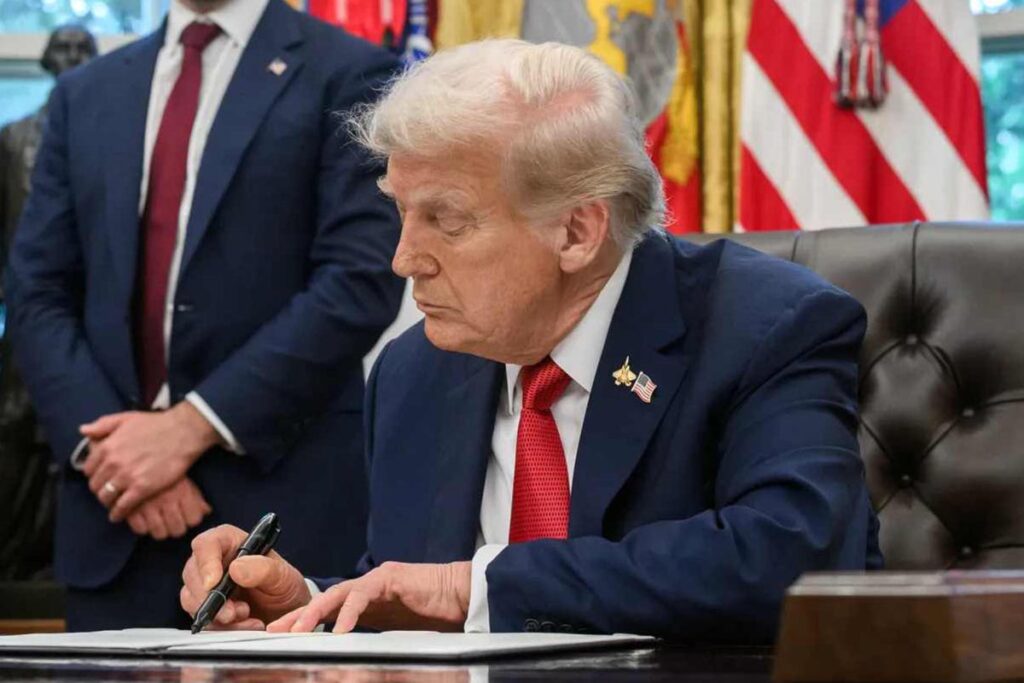



The White House continues to strike trade deals with the United States' commercial partners. On Thursday night, the Trump Administration published the frameworks for agreements with El Salvador, Argentina, Ecuador, and Guatemala.

The AP reported that the details of the documents are still being finalized by delegates of each of the countries involved. However, in a press release, the US government celebrated the preliminary deals, saying they allow "greater and more streamlined market access in some of America’s most critical strategic partners in the Western Hemisphere."
According to the White House, the trade deals' terms include "secure commitments on economic and national security issues," as well as the deepening of bilateral agricultural trade between the US and Central and South America.
"The deals will help US farmers, ranchers, fishermen, small businesses, and manufacturers to increase US exports to and expand business opportunities with these trading partners," read the statement.
Trade deals—an agricultural breakdown
There are no finalized documents yet, but the Oval Office released the key terms included in the trade deals.
In the case of El Salvador, the Central American country committed to removing non-tariff barriers for US agricultural products, including lifting restrictions on US agricultural exporters using certain cheese and meat terms, and with regard to US regulatory oversight.
Meanwhile, Javier Milei's government will address non-tariff barriers and provide preferential market access for US exports, including a wide range of agricultural products.
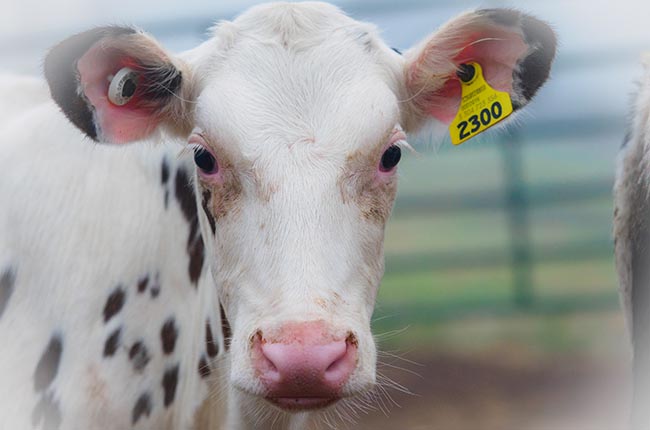
Argentina also granted market access to US live cattle and committed to allowing the entry of American poultry within one year. The country will also simplify product registration processes for US beef, beef products, beef offal, and pork products, and will not apply facility registration for imports of US dairy.
Guatemala agreed to maintain science- and risk-based regulatory frameworks and efficient authorization processes for agricultural products. The country is also committed to addressing and preventing barriers to US agricultural products and protecting internationally recognized labor rights.
Finally, Ecuador is reforming its import licensing and facility registration systems to reduce barriers to US agricultural exports. The country will remove or decrease tariff barriers across key US goods, including tree nuts, fresh fruit, pulses, wheat, wine, and distilled spirits.
The Latin American government will also fully eliminate a variable tariff on many agricultural products protected by the Andean Price Band System, as well as establish tariff-rate quotas on other agricultural goods.
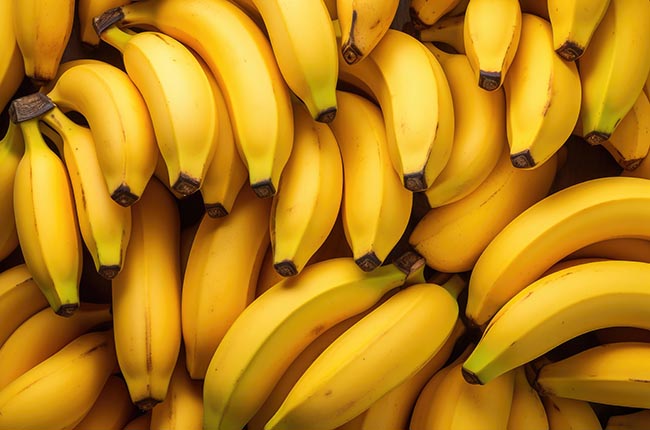
The trade deal with the United States, on the other hand, will grant Ecuador Most Favored Nation (MFN)-tariff treatment on certain qualifying exports. The US gives this status to products that cannot be naturally and commercially grown, mined, or produced on American soil in sufficient quantities. This term greatly benefits bananas, the number one fruit in the US, and one of Ecuador's biggest exports to the north.
The White House stated all country delegations are working "expeditiously" to finalize the trade deals, which are expected to be ready for signing in the upcoming weeks.
Related stories
USDA to roll out a $12 billion post-shutdown tariff relief fund. Critics say it may not be enough.
Agriculture breathes sigh of relief as end of government shutdown restores critical USDA support


Subscribe to our newsletter