

Agricultural robot market to more than triple in size by 2030, research says
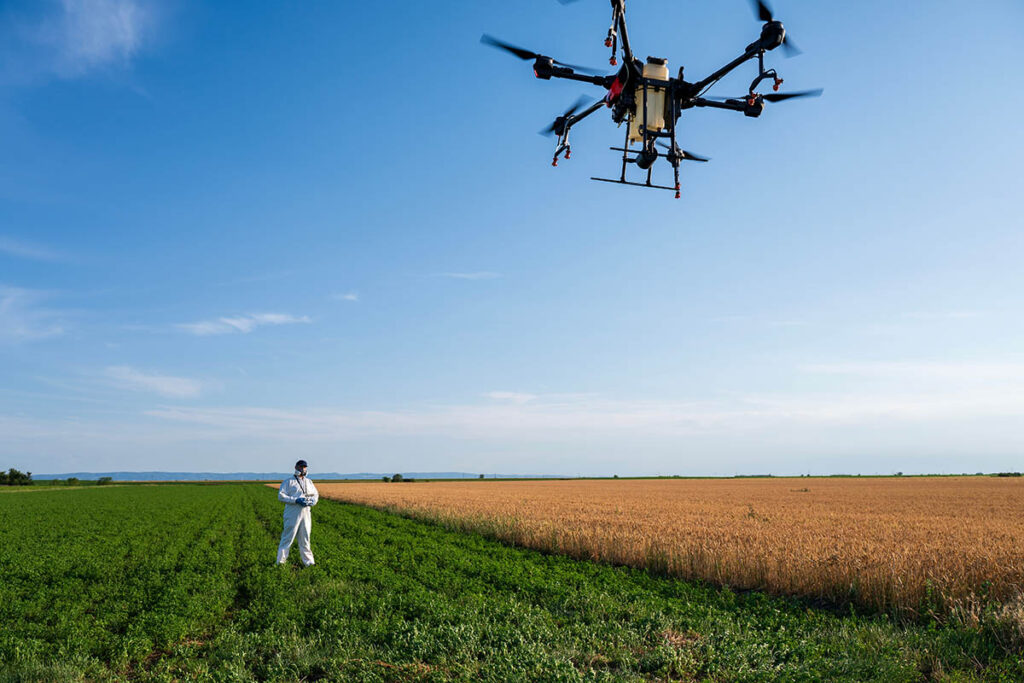

The agricultural robot market will more than triple in size in the next five years, says the market research firm MarketsandMarkets.

Currently valued at $17.73 billion, the company is projecting the industry to reach a $56.26 billion valuation by 2030, representing a 217 percent growth at an average annual growth rate of 26 percent.

The growing adoption of automation and precision farming solutions, aimed at improving operational efficiency and mitigating labor challenges, according to the firm’s latest report, are the main drivers of growth within the industry.
Automation hits the fields
Increasing demand for higher crop yields and ongoing labor shortages are driving the integration of robotic technologies, says MarketsandMarkets. This market is led by companies such as Deere & Company (US), DJI (China), CNH Industrial NV (Netherlands), AGCO Corporation (US), and Delaval (Sweden).
Similarly, ever-improving innovations in AI, machine learning, and IoT-enabled systems are “facilitating autonomous planting, harvesting, and real-time crop monitoring,” improving margins in a challenging economy for farmers and growers.
The growing concern of end consumers for environmentally conscious practices is increasingly cascading up the supply chain to retailers and producers, who showcase these practices as added value to their products.
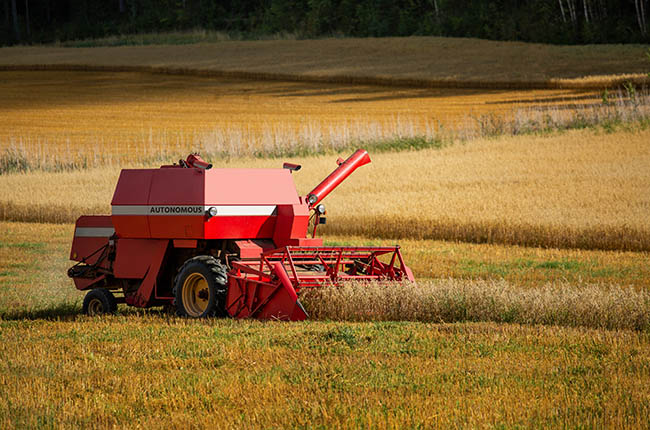
This has led to a preference for sustainable farming techniques and the optimal utilization of resources, driving the expansion of the agricultural robot market, as these systems are often designed with sustainability goals built in.
Finally, governments’ strategic initiatives and investments in agri-tech startups are further accelerating the deployment of advanced agricultural robotics across global markets.
Agricultural robot market growth by segment
The farm produce segment holds a significant share in the agricultural robot market, according to MarketsandMarkets. This is due to the “increasing adoption of automation for crop cultivation, harvesting, and post-harvest handling.”
“Farmers are leveraging robotics to enhance productivity, lower operational costs, and maintain consistent yield quality,” read the report. “The growing demand for precision in planting, weeding, and harvesting operations across large-scale farms has further boosted the use of autonomous systems.”
Additionally, the firm says that advancements in vision-based and AI-enabled robots are enhancing efficiency in crop monitoring and handling, making farm produce a dominant segment in the agricultural robot market.
Likewise, MarketandMarkets’ report expects the outdoor segment to hold a significant share of the farming environment split.
The data attributes this dominance to the widespread use of autonomous tractors, harvesters, and drones for large-scale field operations, including planting, spraying, and crop monitoring.
“Outdoor farming environments require robust and high-performance robotic systems that can operate effectively under varying weather and terrain conditions,” reads the document. “The growing focus on precision field management, yield optimization, and labor efficiency continues to drive the adoption of outdoor agricultural robots across diverse crop types and geographies.”
Asia is leading robot market growth around the world
The adoption of agricultural robotics is widespread across the board, but growth is not uniform in all markets.
The Asia Pacific holds a significant share in the agricultural robot market, according to the report, driven by the strong adoption of advanced farming technologies and high investment in agricultural automation.
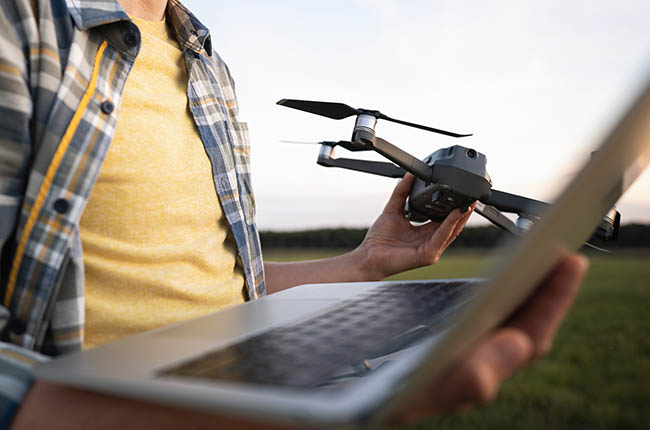
The region's well-established agricultural infrastructure, coupled with increasing labor shortages, has accelerated the deployment of autonomous tractors, drones, and robotic harvesters.
Moreover, the presence of key industry players, supportive government initiatives that promote smart farming, and a focus on precision agriculture all contribute to market growth.
South Korea leads regional adoption due to its early integration of technology and emphasis on sustainable, data-driven farming practices.
*All images are referential
Related stories
Meet BOB—Fresh Del Monte's new robot enticing French shoppers with bananas and pineapples
Spanish tech developers launch a fruit harvesting robot
New robotic strawberry harvester hopes to address labor shortages


Subscribe to our newsletter