








Bananas are Europe's #1 fruit, outranking apples and oranges



Global fruit giant Fyffes partnered up with market research firm NielsenIQ, confirming bananas as consumers' No. 1 fruit in Europe, with 89 percent of respondents saying they have eaten them ‘within the previous four weeks.’

Apples rank second with 75 percent confirming eating them in the past month, followed by oranges (56 percent) and grapes (44 percent).

NielsenIQ surveyed over 7,000 consumers across Europe in March of 2025.
“We are thrilled that bananas are the favorite fruit of consumers with the highest household penetration across Europe," said Adriano Di Dia, Fyffes' Chief Marketing Officer. "It is a testament to a fruit that is tasty, nutritious, convenient, and sustainable."
The executive noted that the research provides "very valuable insights" that guide the company and the sector as a whole in developing marketing strategies and market expansion.
Bananas, the most frequently consumed
The yellow fruit is the most frequently consumed, with 72 percent of respondents saying they eat them "at least" weekly. An overwhelming majority (95 percent and 98 percent, respectively) also said they ate them monthly and quarterly.
Fyffes says this shows that 3 out of 4 consumers eat bananas at least weekly, while 9 out of 10 do so monthly.
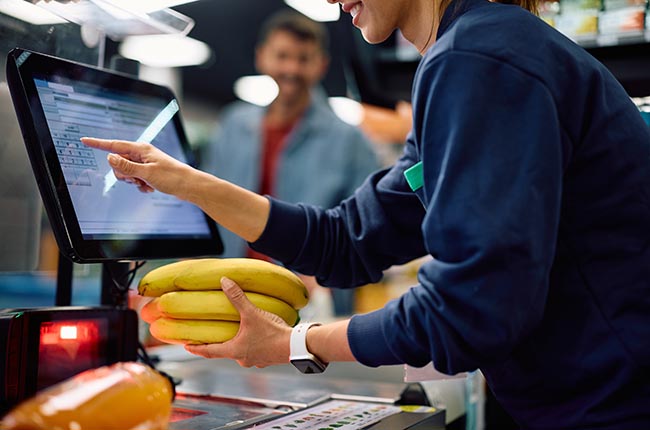
The survey also showed that consumers aren't as aware of the fruit's prices as previously thought, suggesting they're less price-sensitive.
A significant 59 percent of those surveyed said they didn't remember the price they paid for their most recent banana purchase, while 27 percent roughly remembered, and 14 percent recalled the exact price.
Practical, planned, and ripe
The survey data also dove into the reason behind consumption, with 34 percent of respondents saying it satisfies their appetite, and 27 percent citing convenience as a quick snack. The fruit's role as a healthy food option ranked third with 24 percent.
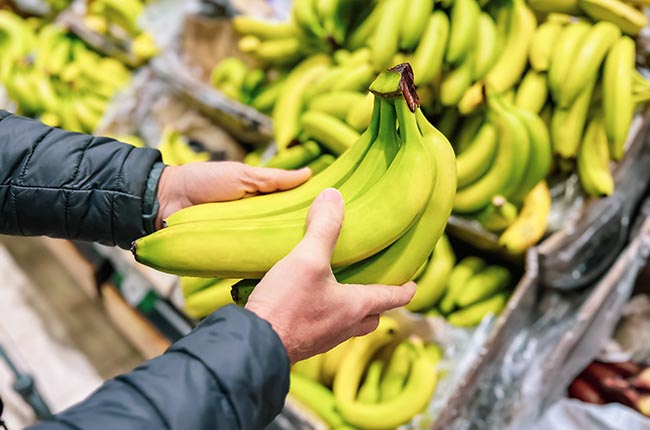 The research also showed that most consumers (65 percent) plan their banana purchases, and they prefer to eat them when fully ‘ripe yellow’ skinned.
However, a significant number (22 percent) differed, saying they preferred them ’more green than yellow’ at the time of purchase.
Related stories
Fyffes guarantees fruit supply amid global challenges
Strategic shift: Fyffes divests melon division to strengthen core fruit categories




Subscribe to our newsletter