







US fruit exports struggle in the Philippines as regional rivals capitalize on zero tariffs



Global fresh fruit imports into the Philippines continued to rise in 2024, but United States suppliers struggled to keep pace among expanding regional competition, a report by the US Department of Agriculture’s Foreign Agricultural Service (FAS) notes.

While total imports grew by three percent year-on-year to $321 million, US shipments fell by 10 percent to 14 million, the document says. The outlook for 2025 shows global imports rising another 25 percent, yet US exports are projected to decline by at least seven percent.
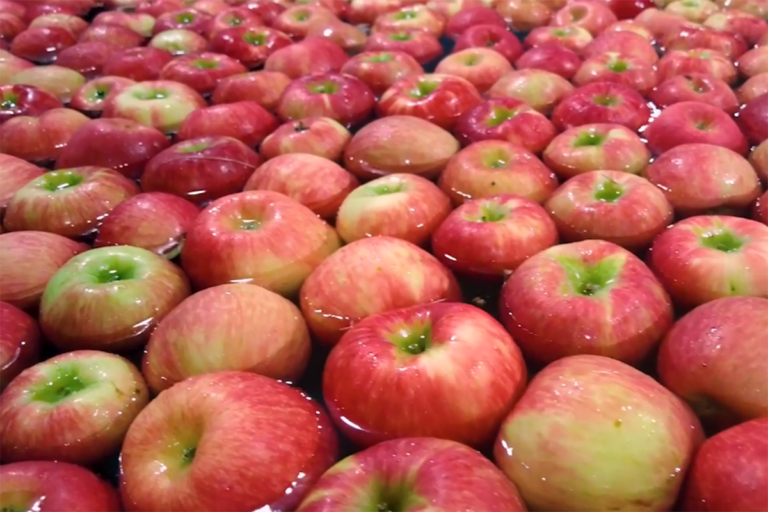
Traders, however, see one bright spot: renewed momentum for US apples, driven by the promotion of newer varieties launched in the past year.
“The US is known for consistently supplying premium quality fruit with a relatively longer shelf life,” the report notes, adding that strong branding and continued varietal innovation will be key to more efficient competition.
“Ambrosia, Cosmic Crisp, and SugarBee varieties, which were introduced in 2024, have gained traction among Philippine consumers,” FAS notes.
Demographics in the Philippines keep demand juicy
With a rapidly growing population expected to reach 120 million this year, opportunities for US producers are in no short supply.
Demographics show that 64 percent of Filipinos are of working age, a structure that is “expected to fuel consumer spending and sustain economic growth for years to come,” FAS says.
Additionally, the World Bank projects the Philippines will move into upper-middle-income status by 2026. According to the country’s Statistics Authority (PSA), imports make up one quarter of the national food supply. These factors create a favorable environment for US exporters aiming to serve the rising demand for agricultural products.
Meanwhile, local fruit production has trended downward. PSA data shows that the total output of key products like mangoes, bananas, and pineapples declined by 0.20 percent year-on-year over the past decade, averaging roughly 14 million short tons. Over the same period, Philippine fresh fruit exports grew at a 3.6 percent CAGR, while imports increased by seven percent CAGR.
Tariff terrain tilts toward regional rivals
China, South Africa, Australia, the US, and Thailand were the Philippines’ top fresh fruit suppliers in 2024, benefitting from zero tariffs through the Association of Southeast Asian Nations (ASEAN) and related free trade agreements.
According to the report, this was a key driver of their competitive pricing. South Africa participates as an ASEAN Sectoral Dialogue Partner, facilitating broader economic cooperation.
However, the Philippines does not have a preferential trade agreement with the United States, resulting in standard Most-Favored-Nation (MFN) tariff rates. Over the past decade, this disadvantage contributed to a 73 percent decline in US fresh fruit shipments.
Related stories
Peruvian Hass avocados unlock long-awaited market access to the Philippines








Subscribe to our newsletter