







Water scarcity and import dependence dMiddle East invests in indoor ag as import dependence
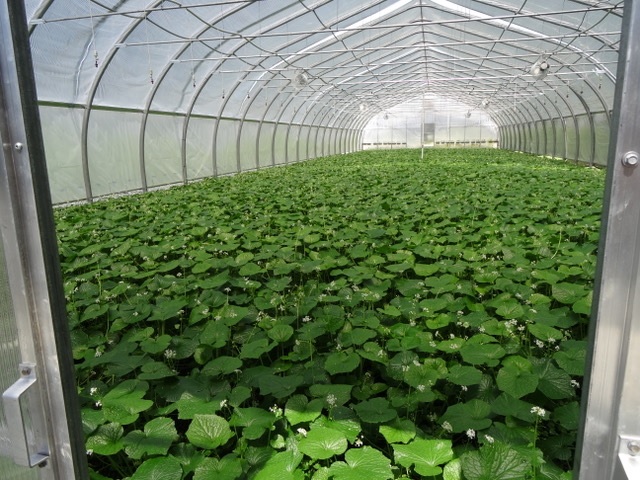



Controlled-environment agriculture (CEA) has expanded across the Middle East and North Africa (MENA), a new analysis by Grow-Tec and iGrow Network reveals.

The report states that governments and private actors are investing more in the CEA category in response to chronic water scarcity, climate volatility, and high dependence on food imports.
The document notes that Gulf Cooperation Countries (GCC)—where more than 85 percent of the food supply is imported—are accelerating the adoption of high-tech greenhouses and automated systems to improve food security.
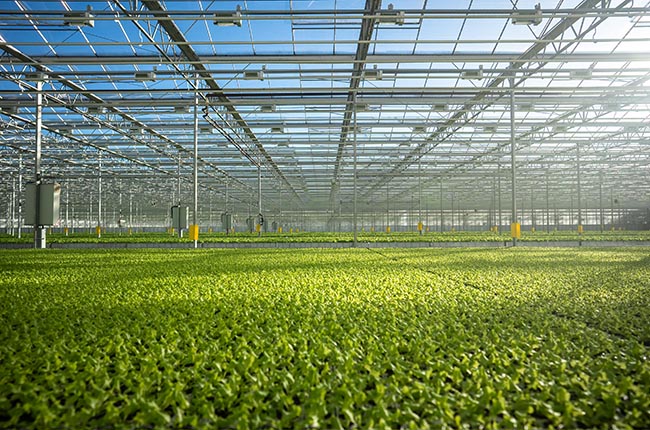
The report differentiates the capital-rich GCC from the wider MENA region, which includes Egypt, Türkiye, the Levant, Israel, Iran, Iraq, and Yemen. While both regions face water constraints and rely on imports, income levels, policies, and infrastructure shape distinct approaches to CEA investment.
GCC pushes high-tech CEA systems
According to the report, the GCC’s investment capacity and policy alignment have enabled the rapid deployment of advanced tools, including artificial intelligence, Internet of Things devices, and automation, in enclosed CEA production.
Governments in the United Arab Emirates (UAE) and Saudi Arabia anchor the sector through long-term food security initiatives, such as the UAE’s Food Security Strategy 2051 and Saudi Arabia’s Vision 2030, which support public-private partnerships, sovereign fund investment, and technology transfer initiatives.
Wider MENA shows uneven progress
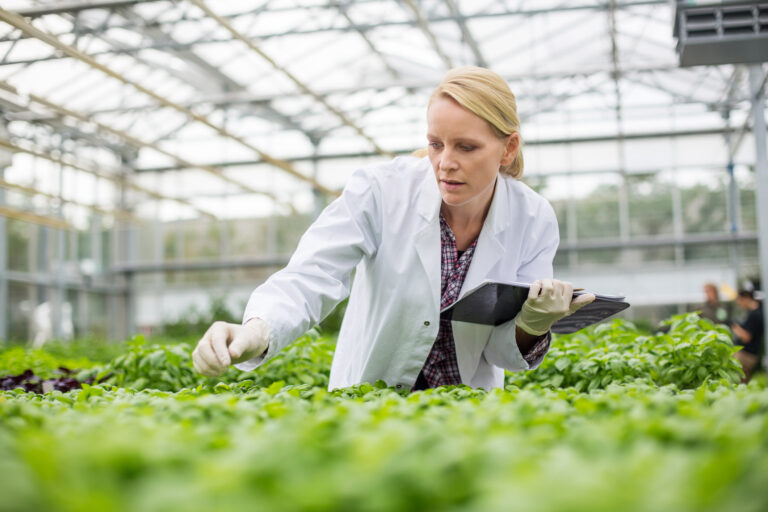
Outside the GCC, the report states that adoption varies due to structural and logistical constraints. Egypt and Türkiye maintain strong positions as large-scale fruit and vegetable producers with extensive greenhouse infrastructure.
The North African country reports weekly shipments of more than 61,700 short tons of produce to more than 170 international markets. Türkiye, on the other hand, continues to rank among the world’s leading fruit and vegetable exporters, accounting for almost nine percent of EU imports. Domestic production remains largely self-sufficient, with imports focused on crops unsuitable for the local climate.
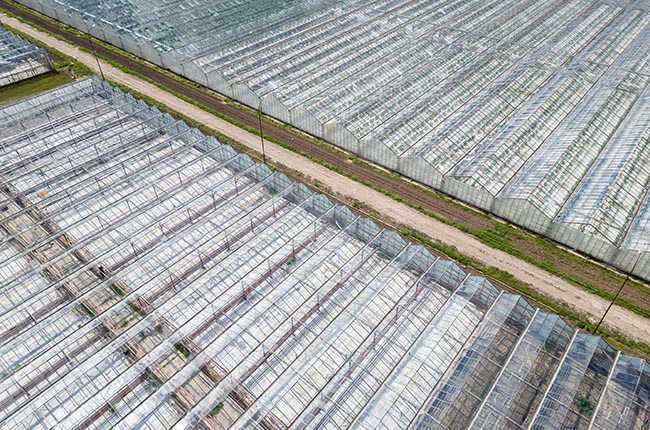
In the Levant, including Jordan, Lebanon, Syria, and Palestine, reliance on food imports typically ranges from 30 to 50 percent. The report attributes slower CEA adoption to water shortages, rising input costs, and geopolitical instability. However, consumer demand and smallholder initiatives are prompting early-stage investment.
The report describes consumer markets across the region as highly price-sensitive, though interest in fresh, local, and pesticide-free produce is gradually increasing as the urban population grows and the retail and hospitality sectors expand.
High-income households and expatriate communities in the GCC are driving demand for specialty and premium crops. However, these segments remain relatively small.
*All images are referential
Related stories
Driven by innovation, Salix Fruits gears up for market expansion to Asia and the Middle East

Subscribe to our newsletter