








Texas International Produce Association sues OSHA and the US Department of Labor
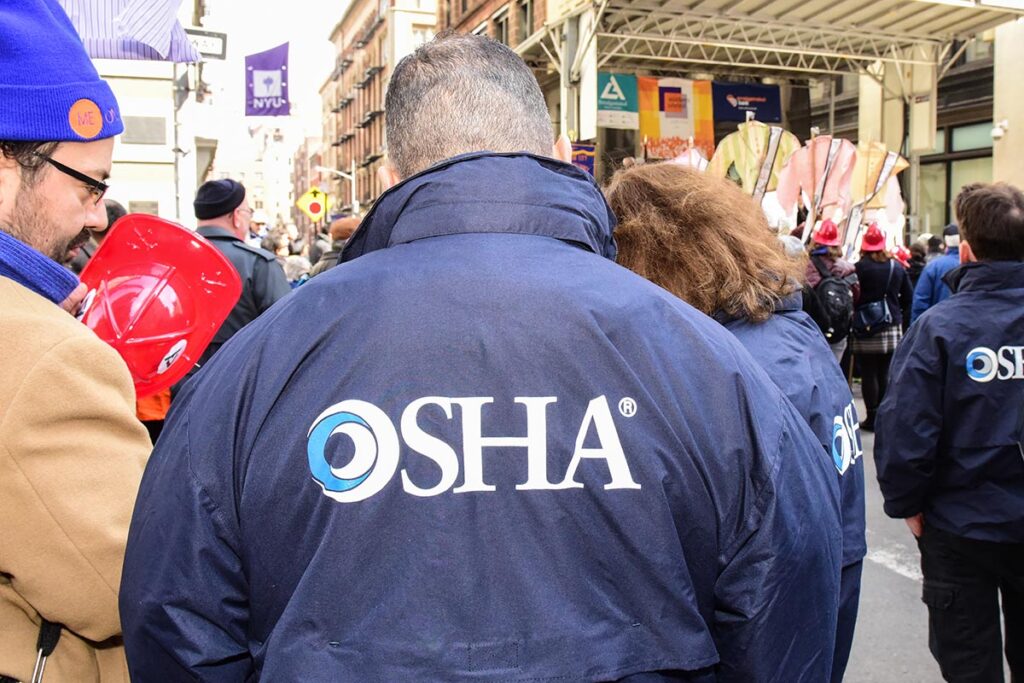



A new lawsuit filed on Wednesday, December 3, in a Texas district court is challenging the constitutionality and authority of the Occupational Safety and Health Administration (OSHA).

The plaintiffs, the Texas International Produce Association (TIPA) and its sister foundation, the Texas Vegetable Association (TVA), presented the complaint against the United States Department of Labor (DOL), arguing that Congress violated the non-delegation doctrine when it passed the Occupational Safety and Health Act in 1970.
The non-delegation doctrine is a constitutional principle that prevents a branch of government, such as the US Congress, from transferring some or all of its core powers to another branch. In this case, as a government agency, OSHA is considered part of the Executive branch of the US government.
“The safety standards delegation contains no intelligible principle. It authorizes the Secretary of Labor to promulgate ‘any occupational safety or health standard’ regulating every employer in the United States,” the document reads. “It has ‘an absence of standards’ that makes it impossible for anyone to ascertain if the will of Congress has been obeyed.”
The plaintiffs argue that Congress must provide “meaningful boundaries on agency discretion” to government entities such as OSHA, as “vague guidance is not good enough.”
The case against OSHA’s “one-size-fits-all” regulation
The TIPA and the TVA argue that they, as well as the multiple fruit and vegetable supply chain companies they represent in the state of Texas, have been injured by being subjected to OSHA’s “increased regulatory burden.”
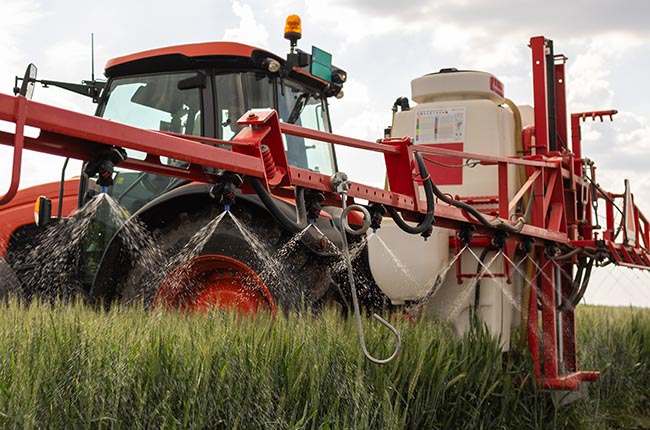
The complaint cites OSHA’s requirement that tractor drivers be retrained at the time of hire and at least once a year. This retraining, the document reads, includes “nine pieces of extremely basic information,” such as fastening seat belts when driving and not permitting others to drive.
“This paternalistic regulation fails to consider the experience level of the employee, how many times they have received the training, or the necessity of the training,” reads the complaint.
The plaintiffs say that OSHA regulation is “one size-fits-all” and “does not fit [their] needs—or the needs of their members.”
“Without these regulations, Plaintiffs and their members would remain committed to the safety of their workers and workplaces. But they would be free to ensure that safety in ways more tailored to their specific businesses,” says the document.
OSHA is questioned yet again
This is not the first time the agency’s authority has been challenged.
In a split 2024 decision, the Supreme Court upheld OSHA’s constitutionality in the case of Allstates Refractory Contractors LLC v. Su. However, in his dissent, US Supreme Court Justice Clarence Thomas called OSHA the “broadest delegation of power to an administrative agency found in the United States Code."
The quote was cited by TIPA and TVA in their complaint, which you can read in full below.
2417000-2417967-https-ecf-txnd-uscourts-gov-doc1-177118188487Related stories
Heat-stress protection protocols for farm workers save lives in the fields
The fight over glyphosate: 3 keys to understand why Bayer's stock shot up
Are you entitled to a tariff refund? Four questions about the Supreme Court case, answered.









Subscribe to our newsletter