
Chinese Honey kumquat growers target the Middle Eastern market amid rising demand
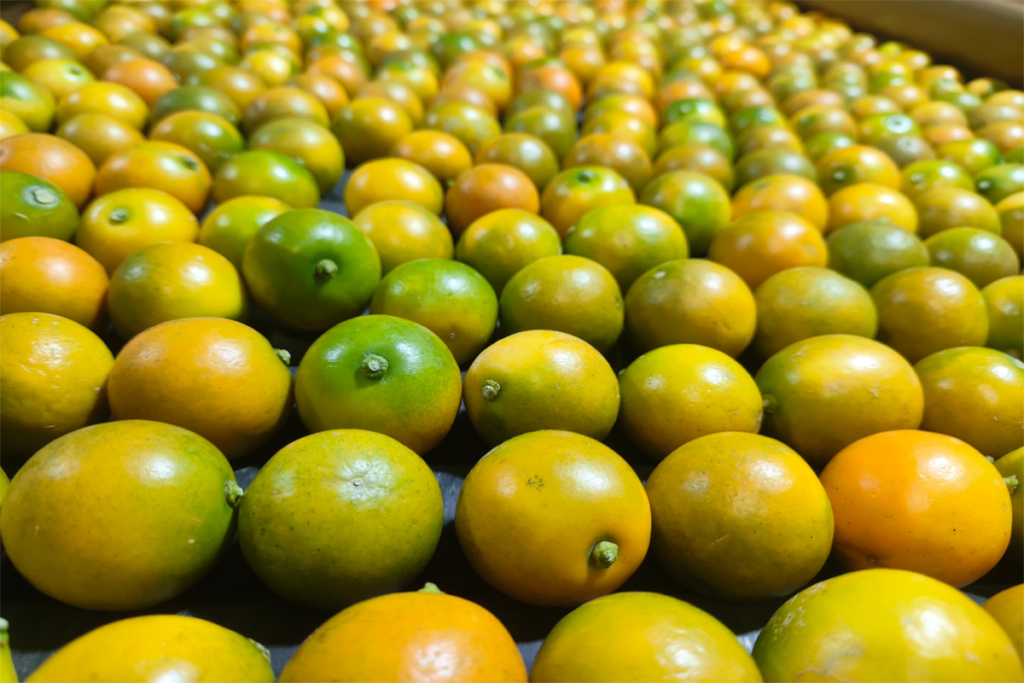

For the 2025-2026 season, Chinese Honey kumquat growers are banking on a developing market in the Middle East.

Yao Changfeng, General Manager of grower and distributor Onedayone Group, says Chinese citrus growers are working to become a favorite among the region’s kumquat consumers. He explains that the fruit is popular in the market, but it’s currently primarily sourced from Spain and South Africa.
“We see them on the shelves in both wholesale and retail channels across the UAE, Saudi Arabia, and other Middle Eastern countries,” he says. “The Middle East has long been a key crossroads for the global fruit trade, with local consumers placing a strong emphasis on taste and texture, which makes it an ideal market for our kumquats.”
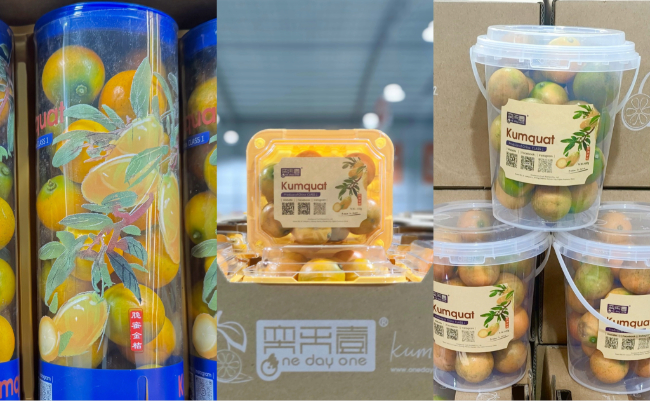
The company expects Chinese Crisp Honey kumquats to attract regional consumers, especially as the “fruit as a snack” trend grows and boosts demand.
Chinese kumquats unique advantages
Onedayone Group ships Crisp Honey kumquats, which “are generally smaller, higher in acidity, and usually peeled before consumption.” This, the executive adds, is what makes them easier to eat than those from South Africa and Spain,
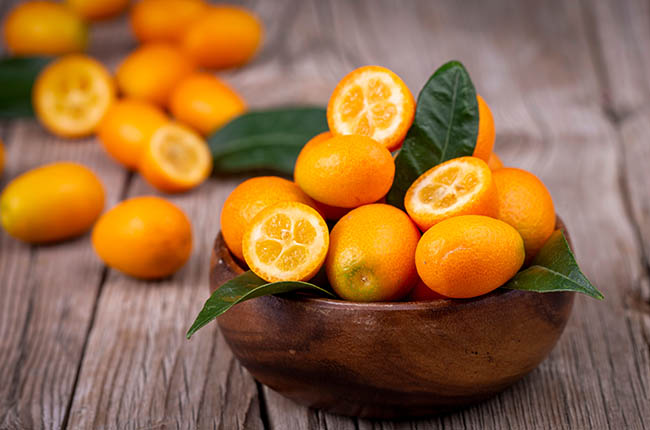
“They are commonly eaten fresh, used in desserts, or processed into jams, and have established a mature market presence in the region,” he explains. “Chinese Crisp Honey kumquats are sweeter, larger, and seedless, and their peel is edible, so you can enjoy them whole.”
China is a leading kumquat producer in the world. Most of the Asian giant’s fruit is grown in Guangxi province, whose warm temperatures ranging between 77 and 90 degrees Fahrenheit make it ideal for the category. The region exports at least 15 containers of kumquats globally each year.
He adds that the industry is currently well-positioned for growth and plans to expand into additional markets—the company’s aim is set in Europe.
The supplier began shipping the fruit to the Middle East in 2023 and has already started exports for this season, which Changfeng expects to be highly successful.
“In our sourcing region, the kumquat industry reached a market value of approximately $930 million in 2025, with a cultivation area of about 38,000 acres and a total output of roughly 316,000 short tons,” he explains. “Taking our sourcing region as an example, since 2011, the cultivation area has grown by more than threefold, production volume has increased by over fivefold, and the market value has increased steadily over the past nine years.”
*Main and top images courtesy of Onedayone Group.
Related stories:
Shifting vines: How China’s appetite is reshaping the grape market







Subscribe to our newsletter