

Breakthrough study reveals how warm weather fuels destructive short-spined thrips in Florida
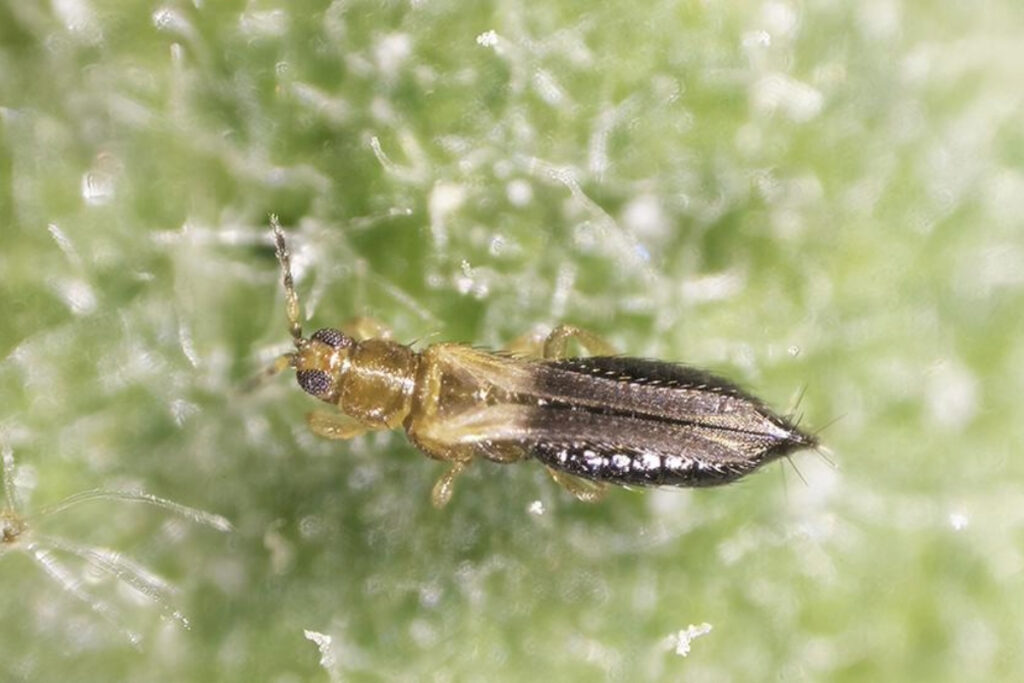

First spotted in 2020 on ornamental plants and then discovered in pepper fields in 2022, the warm-weather-loving pest also known as short-spined thrips feeds on the plant’s tissue and, if left unchecked, can reduce crop yields and transmit crop devastating viruses.

A lack of knowledge about Thrips parvispinus has resulted in the absence of effective management and elimination methods, which is why University of Florida Institute of Food and Agricultural Sciences (UF/IFAS) researchers set out to map the pest’s biology—from its life cycle to its feeding behaviors and reproduction strategies.
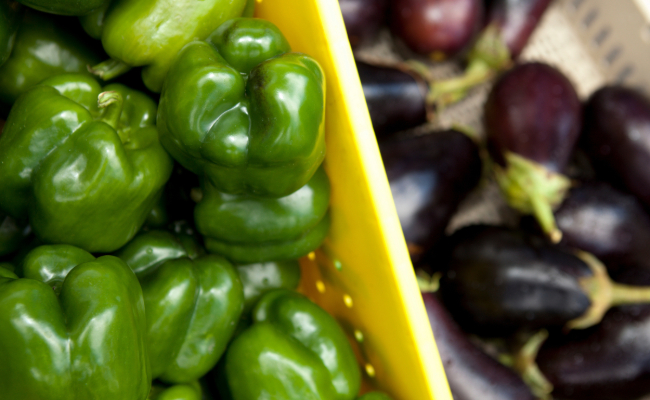
Image courtesy of UF/IFAS.
South Florida: Short-spined thrips’ favorite climate
Researcher and Assistant Professor of Ornamental Entomology & Acarology at UF, Alexandra Revynthi, said the team behind the study began looking into the pest in March 2024 after observing how difficult it is to control.
“Although there was some information available in the literature at that time, there were still a lot of open questions, such as its pupation site, whether it can survive cold or without food, and whether it can reproduce without mating (through parthenogenesis),” she explained.
The team started by developing a biological roadmap outlining the pest’s temperature preferences, feeding behaviors, reproductive strategies, and soil-dependent life stages.
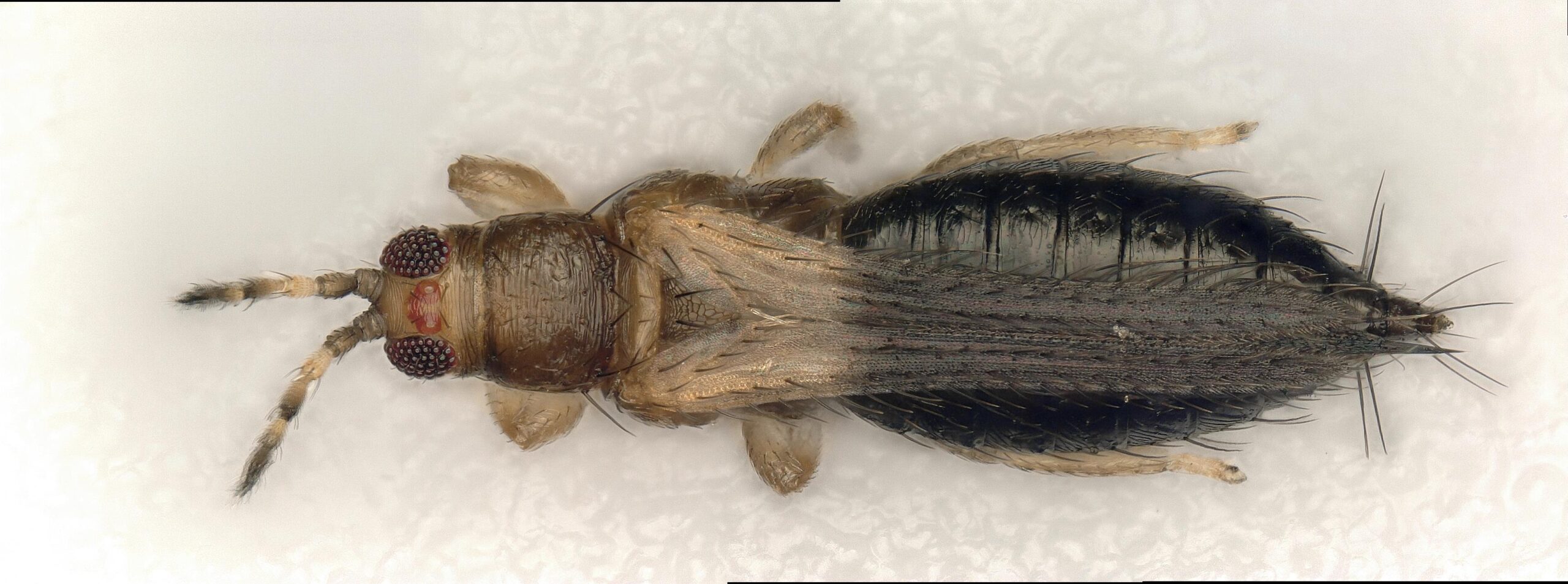
Image courtesy of UF/IFAS.
The research found that the short-spined thrips thrives at South Florida’s average temperature of 80.6 degrees Fahrenheit, completing its life cycle and peak reproduction in just 13 days.
This rapid development explains the recent surge in pest populations across the region. The pest has been detected across the state in 43 different crops, including ornamental plants, vegetables and fiber crops. Growers have already lost millions because of the invasive species.
“It is a very small insect that can go unnoticed, and when the damage is evident, it might already be too late, because it has the ability to reproduce fast and increase its population,” Revynthi explained.
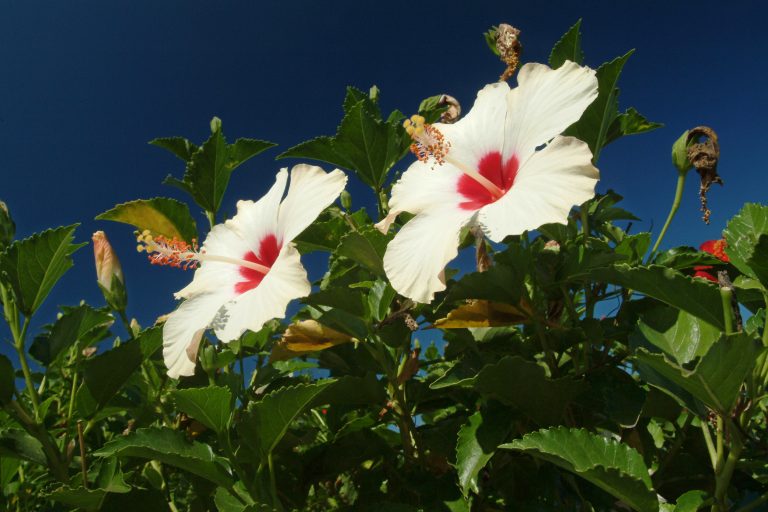
Hibiscus plants are also greatly affected by short-spined thrip. Image courtesy of UF/IFAS.
She says the pest is very temperature-dependent, with data showing that short-spined thrips are vulnerable to prolonged exposure to cold temperatures below 41 degrees Fahrenheit. This is good news for northern states, the expert says, as the pest will be unable to survive outdoors during the winter.
However, for Florida’s farmers and greenhouse growers, the constant warmth poses a problem, as it keeps the thrips active year-round.
Related stories:
Tech traps and gene hacks: Pest control market grows as regulations tighten



Subscribe to our newsletter