






Honeybear eyes steady pear import season
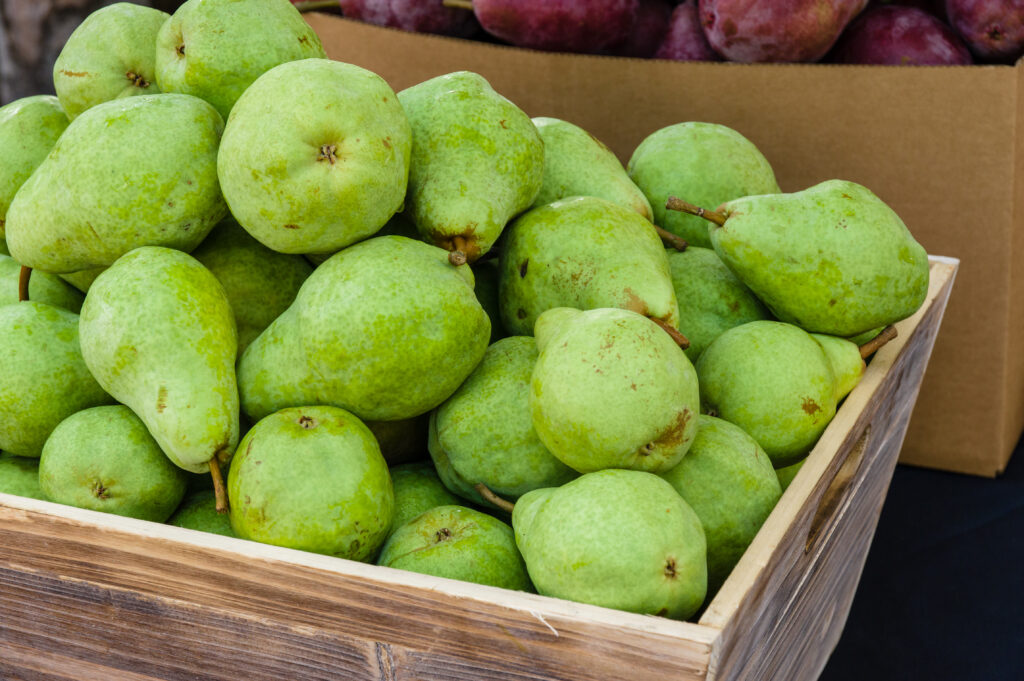

As United States importers map spring programs amid Pacific Northwest supplies and weather-hit South American orchards, Honeybear says buyers can expect continuity thanks to the firm’s southern hemisphere pear import season.

President of Sales and Marketing Chuck Sinks tells FreshFruitPortal.com that early estimates pointed to a 10 to 20 percent reduction in Argentina’s pear crop following hail events in major growing regions. The damage mirrors losses seen earlier this season in cherries and stone fruit, some of which declined by more than 25 percent, he notes.
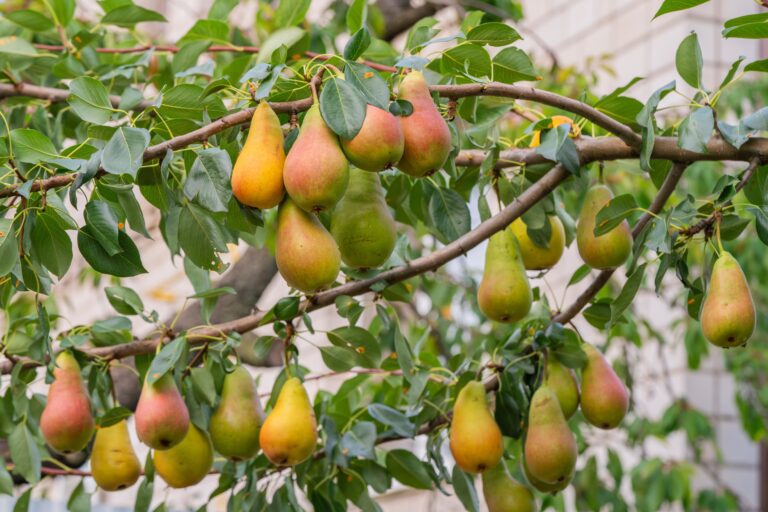
Pear projections, however, look good. Sinks says the grower, marketer, and breeder does not expect disruptions for its retail partners during the core pear import window.
Bartletts hold the pear import line, Boscs take a beat
Bartlett imports are scheduled to begin by March 1st, with Boscs following in April. Honeybear expects the former to move seamlessly into stores as domestic fruit winds down, while the latter may see a later start due to smaller South American production and ample US-held fruit.
“With the size and remaining supplies of the Pacific Northwest crop, we might see a later start and less demand for South American Bosc. In either case, we will confidently fill our partners’ Bosc needs,” he notes.
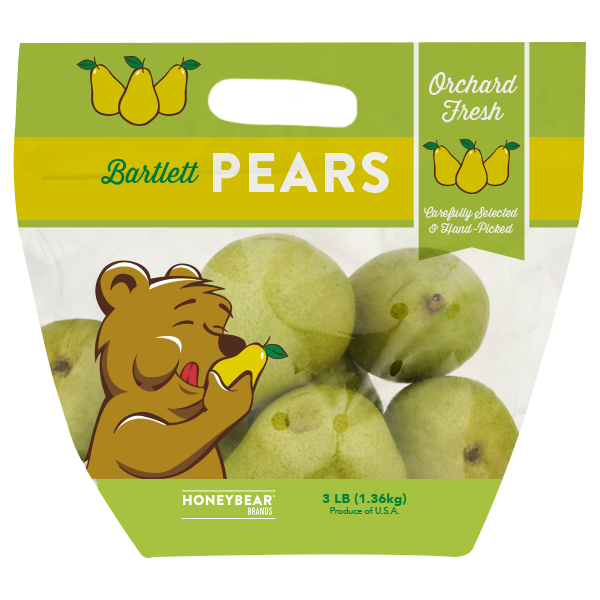
Photo courtesy of Honeybear Brands.
The company’s solid grower relationships underpin what it describes as “100 percent supply assurance,” particularly during the spring pear import window.
“Honeybear has long-standing and diversified partnerships with Argentinian and Chilean pear growers spanning over several decades and throughout all growing regions,” Sink notes.
Additionally, domestic operations are expected to support uninterrupted provisions.
“In combination with our US storage, handling, and distribution network focused primarily on the Philadelphia, Seattle, and LA ports, we can confidently execute full supply assurance and lowest-landed-cost programs across North America,” he adds.
Fiber finds its moment in the produce aisle
Honeybear sees the spring pear import season as an opportunity to re-engage consumers, especially younger and higher-income shoppers. Millennials and Gen Z, Sink points out, represent the strongest growth opportunities as the segment actively looks for healthy, plant-based snack options.
The firm also cites internal consumer insights showing that pear purchases skew older and higher income.
“Across the top major US retailers, only 10.9 percent of pear shoppers are younger than 34 years old, while 59.2 percent are over 50 years old,” Sinks says. “Pears appeal to affluent households with 47.7 percent of shoppers making over $100k annually.”
The executive adds that broader gastronomic fads also support the fruit’s positioning during the spring months.
“Fiber is the new protein in terms of food trends, and pears and apples provide an excellent source supporting both gut and mental health,” he notes.
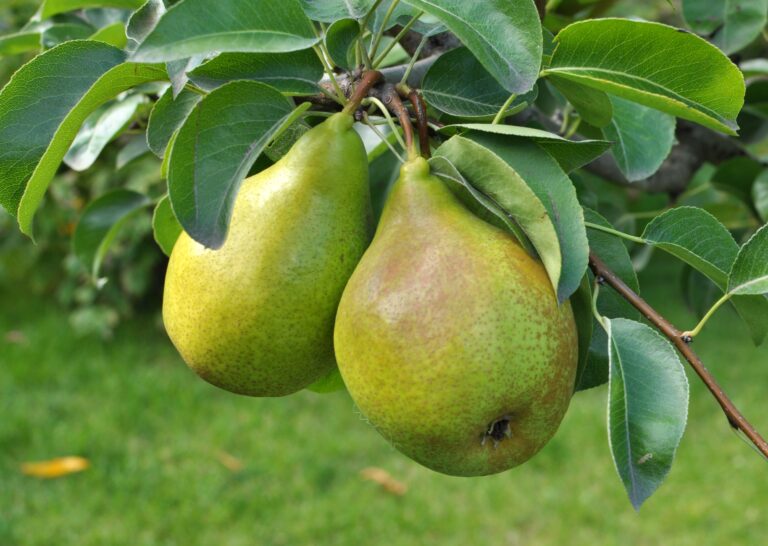
As logistics and landed costs remain a priority for retailers, Honeybear points to its port-centric distribution model and quality-control processes as key advantages during the pear import season.
“We bring the fruit where our partners need it, with fresh arrivals weekly, a highly trained quality control network, and teams in all regions. All fruit is inspected before leaving South America, on arrival in the US, and at the time of shipping,” he adds.
*Main and packaging images courtesy of Honeybear; the rest of the images are referential.
Related stories
California pear producers seek USTR trade relief against surge of cheap Argentine imports
USA Pears projects an abundant 2025 harvest, with yields 60 percent above last year's









Subscribe to our newsletter