

South African fruit body pursues legal action as Cape Town port’s ‘structural failure’ leads to massive losses
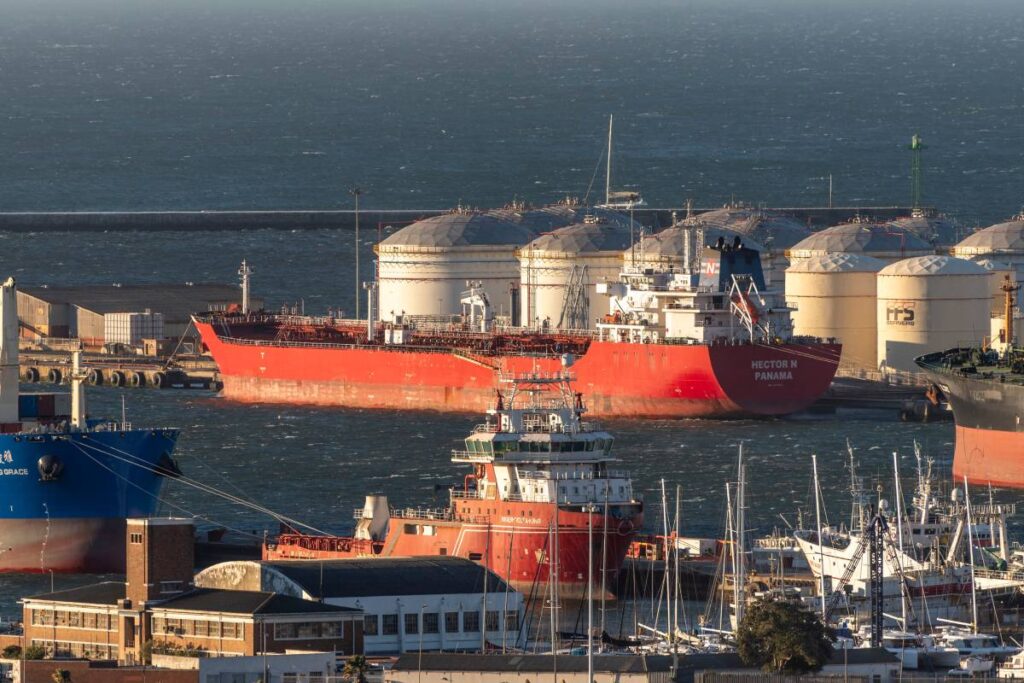

The South African deciduous fruit industry, represented by the country brand Hortgro, is escalating its complaints against the operator of the Cape Town Port, Transnet.

Through a post on its website, the organization announced it is now exploring formal legal measures in response to what it terms "sustained, material underperformance" at the point of entry.
The move comes as the industry faces devastating financial losses, which they say have already exceeded $18.5 million in direct costs, with an additional estimated $53 million worth of inventory currently at risk.
The ongoing failures at the Cape Town Port, which have persisted since the start of the 2025/26 deciduous fruit export season, are causing "significant and measurable harm" to the country’s export economy, according to the Hortgro statement.
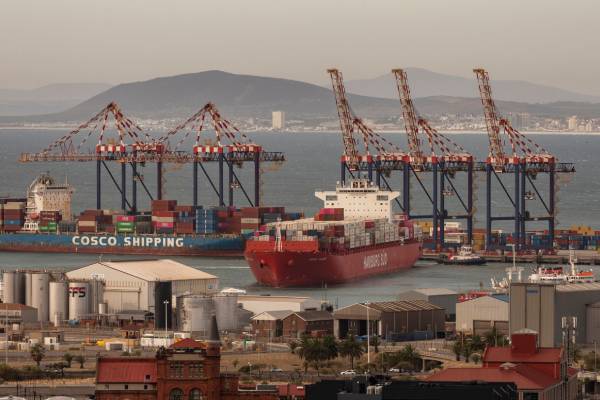
The financial impact is accumulating daily as delayed vessels arrive at destination markets, leading to discounted prices and damaged fruit levels that the organization deems unacceptable.
Hortgro is currently quantifying the total direct and indirect losses of income to producers, which include the additional expenses incurred from being forced to divert shipments to alternative ports and the costly, less efficient utilisation of conventional vessels.
Cape Town Port: Structural failure, not just weather
While acknowledging the dedication of operational teams, the industry asserts that the scale and persistence of the performance failures at the Cape Town Port point to deep-seated structural weaknesses that extend beyond "isolated incidents or external disruptions, such as adverse weather."
Productivity at the terminal has consistently failed to recover to globally competitive or operationally reliable levels. International standards for Gross Crane Movements per Hour (GHC) typically range from 25–30, but the Cape Town Port continues to lag significantly, remaining below 20 GHC.
This shortfall is occurring despite substantial new equipment investment following what the industry describes as more than a decade of capital underspend.
Hortgro noted that its engagement with Transnet and port management has been constructive and in good faith over many years. However, these efforts have not led to performance recovery, resulting instead in what the organization says are “severe commercial consequences.”
Exporters absorb extraordinary costs
The sustained underperformance at the Cape Town Port has compelled exporters to reroute volumes through alternative ports at extraordinary cost.
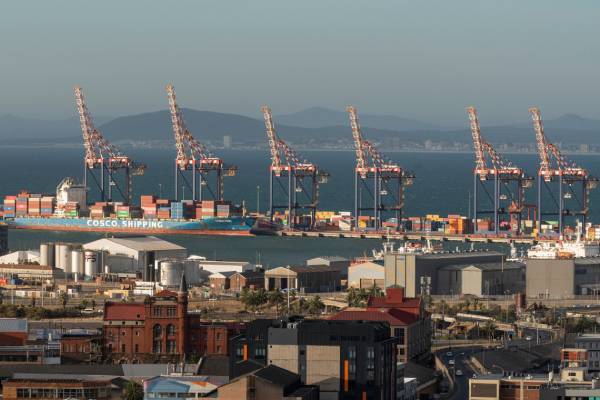
Key diversion statistics from the start of the season highlight the crisis. In Port Elizabeth, for example, shipments increased by 140 percent, resulting in additional transport costs totaling more than $8.2 million. Meanwhile, approximately 900 reefer containers were routed through Durban, in what Hortgro called an "unprecedented" measure. Finally, around 1,200 containers were shipped via Walvis Bay in Namibia.
These figures, says the industry organization, don’t account for compounding associated penalties, such as truck standing time, increased cold storage fees, agent costs, and the rising tide of quality claims from international buyers.
The accumulated losses are eroding exporters’ margins, says Hortgro, destabilising rural economies dependent on the fruit sector, and placing South Africa’s reputation as a reliable supplier of high-quality fruit under severe strain.
Related stories
South African companies call for the privatization of Cape Town port, citing $56 million in losses
Export challenges mount for apple exporters due to severe disruptions at Cape Town port
Port chaos stalls South African table grape exports amid growing global competition




Subscribe to our newsletter