

Blueberry growers fight to preserve H-2A rule to control escalating labor costs
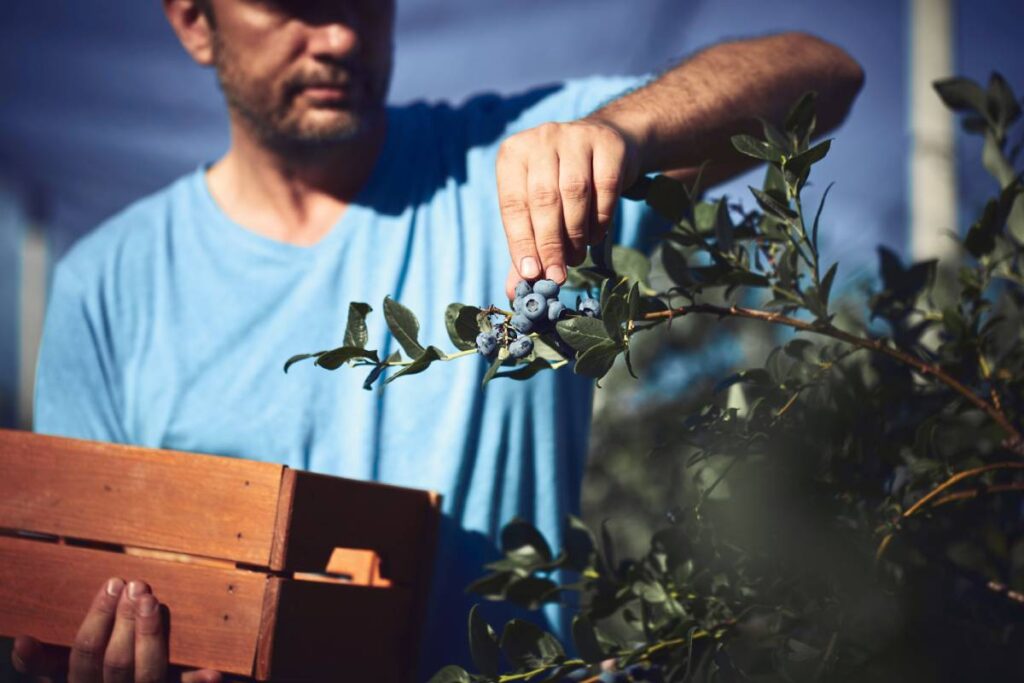

The North American Blueberry Council (NABC), as part of the Ag Labor Reform Coalition, joined over 25 agricultural organizations from across the country in filing an amicus brief in United Farm Workers, et al., v. US Department of Labor, et al.

The coalition’s brief supports the Adverse Effect Wage Rate (AEWR) methodology rule issued by the US Department of Labor (DOL) in October 2025. The rule modernizes how AEWRs are calculated for the H-2A temporary agricultural worker program.

“Blueberry growers have endured years of rising labor costs and regulatory burdens that have strained family farms and challenged their ability to compete and remain profitable,” said Kasey Cronquist, president of the North American Blueberry Council (NABC).
The executive explained that between 2021 and 2025, blueberry-producing states saw an average 25 percent increase in wage rates under the Farm Labor Survey-based AEWR, outpacing the average growth of private-sector wages.
“Labor accounts for more than 40 percent of production costs, pushing many growers to the breakeven point,” Cronquist continued.
A 2024 Michigan State University study found that escalating labor costs have left the average grower operating on razor-thin margins, while research from the University of Oregon shows that some growers are turning to machine harvesting simply to remain viable.
A demand for a more efficient H-2A process
The coalition’s brief urges the court to reject the plaintiffs’ request, warning that the lawsuit seeks to block DOL’s rule nationwide and force the agency to abandon its existing wage framework in favor of an undefined new approach.
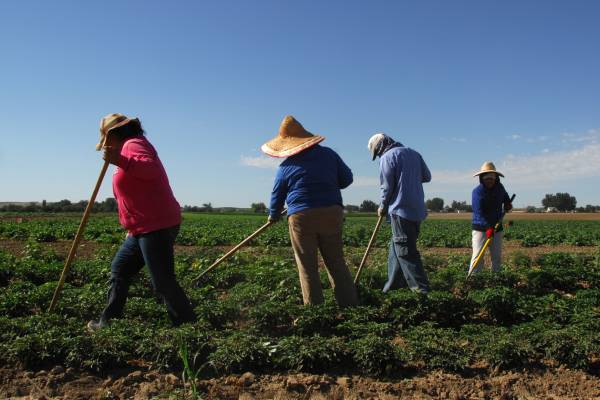
Such an outcome would inject significant uncertainty into agricultural labor markets and disrupt planning for the 2026 growing season.
The amicus brief identifies two fundamental flaws in the plaintiffs’ request for relief.
First, the coalition claims plaintiffs have failed to establish legal standing, saying they rely on speculation instead, as no worker represented can demonstrate a concrete, present injury caused by the AEWR methodology adopted by DOL.
Second, the challenge fails on the merits, says the coalition. DOL acted within its statutory authority by replacing an unworkable system with a lawful, data-driven methodology that balances worker protections with the realities of agricultural production.
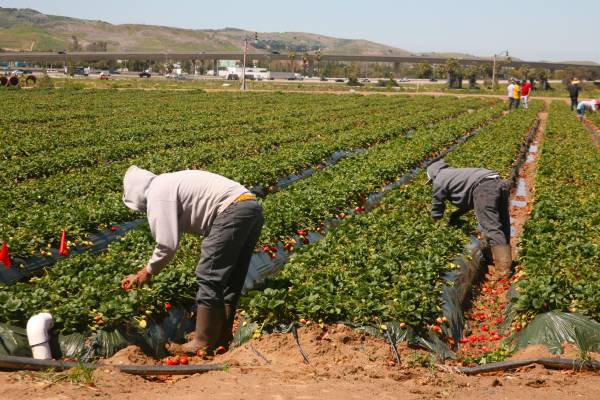
The head of NABC said fairer, more predictable wages and a more efficient H-2A process would provide the stability farmers need to plan, reinvest, and sustain their operations. The executive called the AEWR methodology reform “a critical step” toward better aligning wage requirements with market realities.
Many farmers have already been assigned H-2A wage rates for 2026, calculated operating costs, secured financing, and begun hiring workers under wage rates approved by DOL. Undoing the rule at this stage would undermine those investments and destabilize farm operations nationwide, says the NABC.
Related stories
US growers applaud new H-2A interim rule but urge for a long-term, market-based solution
Department of Labor shifts H-2A wage method and adds skill-based categories










Subscribe to our newsletter