






Opinion | Cold treatment is what opens markets for fruit—or closes them

 By Rafael Guarda Martínez | Lawyer and ag and shipping expert at RG Consultant.

The Southern Hemisphere is in peak fresh fruit season, and grapes, blueberries, citrus, and other species are traveling to the United States, China, and other Asian markets. This year, cold treatment is once again at the center of the logistics operation.
It is neither a technical detail nor a mere formality: Cold treatment is a mandatory quarantine requirement for entry into certain destinations. Moreover, in many cases, it determines whether the cargo can be marketed or not.
In simple terms, cold treatment entails maintaining the fruit at a specific temperature for a set number of days, without interruptions or deviations outside the range authorized by the destination country's phytosanitary authority.
It is not enough for the container to be "cold": The program must be carried out exactly as approved, with continuous records and properly calibrated sensors. If the temperature goes outside the permitted range, even for a limited period, the treatment can be declared invalid.
From the perspective of agrifood foreign trade, cold treatment has become a key sanitary standard within export logistics.
The requirement addresses the control of quarantine pests, especially the fruit fly, which can travel with cargo and pose a phytosanitary risk to the importing country. Therefore, the protocols are strict and do not allow for interpretation.
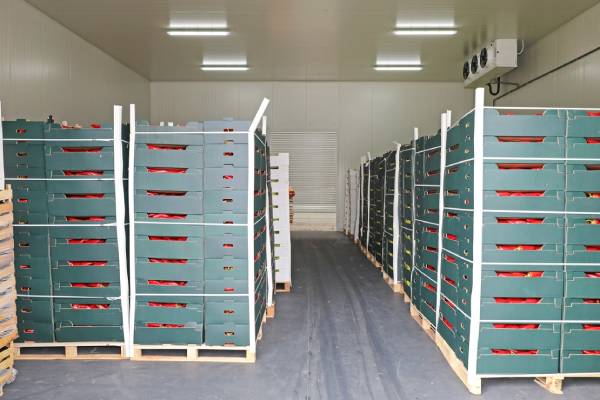
In practice, cold treatment can be applied during transit within the refrigerated container or in authorized facilities before shipment, depending on the market and current bilateral agreements. In both cases, compliance is validated through continuous thermal records that accompany the cargo documentation.
The impact of cold treatment on the logistics chain
The operational impact is profound.
Cold treatment influences harvest planning, varietal selection, shipping scheduling, and coordination with the importer. In sensitive species, even a tenth of a degree can affect the fruit’s condition. In turn, the program’s duration, which can exceed two weeks, must be considered in the total transit time.
This is why talking about cold treatment is talking about integral logistics management and coordination among the producer, exporter, shipping company, and sanitary authorities.
When the treatment does not comply with the required parameters, the consequences are immediate.
Local authorities in the destination country may order the cold program to be repeated, impose selling restrictions, or even reject the cargo. For products with a limited shelf life, a prolonged delay can directly impact returns, making monitoring the treatment during the trip non-optional.
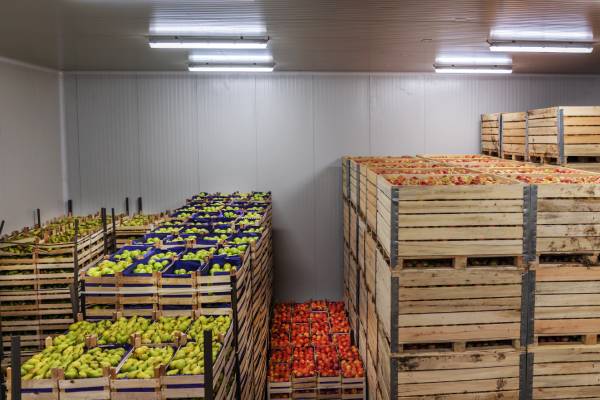
Real-time monitoring, periodic review of temperature records, and confirmation that the program is running correctly are part of the professional management of perishable exports.
Who’s responsible for cold treatment?
A question that is often left unanswered until the end, but should be addressed at the very beginning of the shipping process, becomes especially relevant: Who is the provider of the cold treatment service? It is not always the shipping company.
In some cases, the treatment is coordinated directly by the shipping line as part of the reefer service. In others, specialized operators or certified companies intervene as independent providers of the quarantine program.
Determining who formally provides the service is key for technical, contractual, and documentary purposes. A container set under a standard refrigerated transport program is not the same as one activated under a specific quarantine treatment protocol validated by the corresponding authority.
For the agricultural export sector, this implies reviewing transport contracts, booking confirmations, and service conditions.
It is essential to have clarity about who performs the treatment, under what certifications they operate, which sensors they use, how the records are validated, and what documentation supports the program's compliance.
The technical traceability of the cold treatment is not only relevant to the phytosanitary authority but also to the commercial security of the operation.
A key factor in the industry
In terms of international competitiveness, cold treatment is no longer an exceptional requirement, but a structural part of market access. Importing countries have reinforced their standards, and sanitary protocols are becoming increasingly specific.
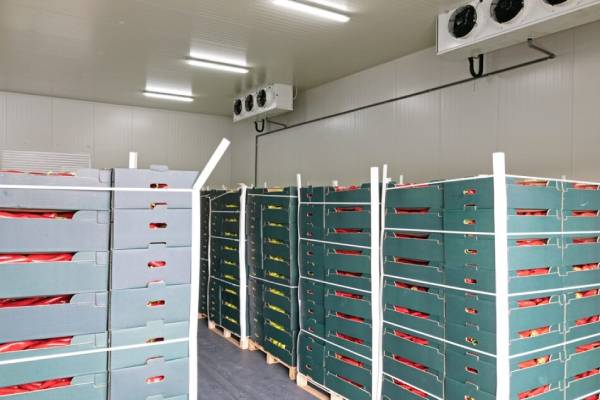
For fruit exports from Latin America, complying with cold treatment requirements is essential to maintaining sanitary trust, avoiding commercial interruptions, and protecting the reputation of the origin. A season can be affected by specific events if there is no rigorous management of the process.
Today, during the peak fresh fruit season, cold treatment remains a critical link within the logistics chain.
It is not just a temperature on a screen— It is a validated sanitary program that requires technical precision, operational coordination, and contractual clarity. The difference between a successful shipment and a questionable one can lie in the correct configuration of the treatment and the precise identification of the responsible provider.
In the international trade of perishables, access to demanding markets depends on meeting increasingly demanding sanitary standards, and cold treatment is undoubtedly one of the most decisive factors.
*All images are referential. Rafael Guarda Martínez' portrait courtesy of RG Consultant.
Related stories
Opinion | Beyond supply and demand: The new geopolitical reality of agriculture
Opinion | The loss of control over fruit: The invisible risk of exporting
Opinion | When denial costs millions: The true HLB risk to Latin American citrus










Subscribe to our newsletter