





Quality is the unequivocal response to Ecuador's dragon fruit oversupply crisis

Written and reported by Macarena Bravo | Lee esta noticia en Español

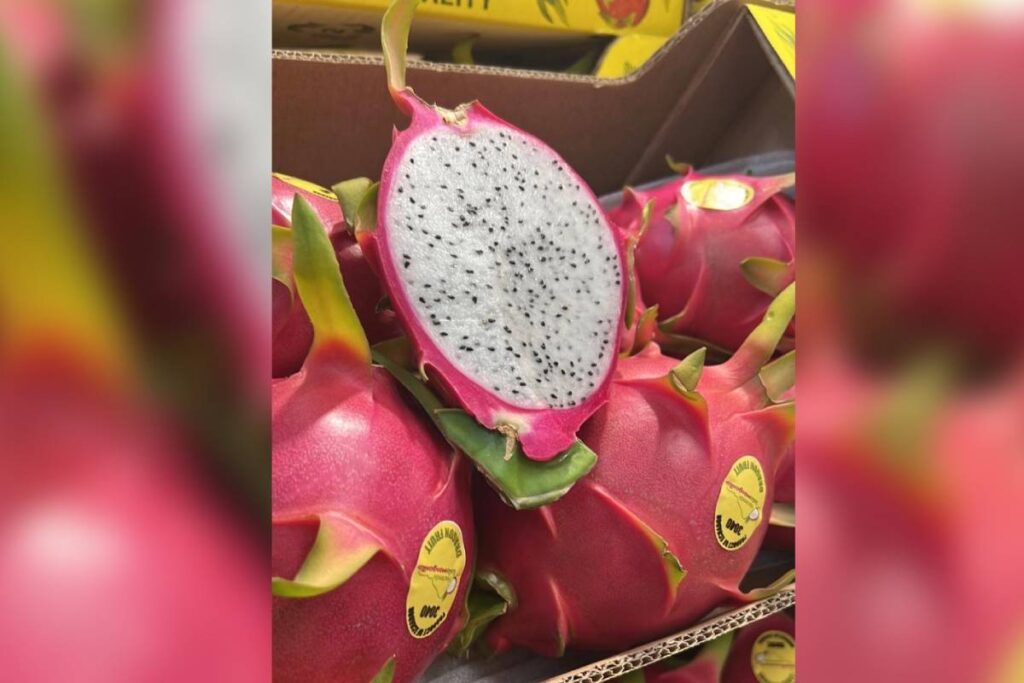
The accelerated growth of dragon fruitproduction in Ecuador is showing warning signs among producers. What, for years, was a highly profitable crop now faces a scenario marked by oversupply, downward price pressure, and more stringent criteria for differentiating between export-quality fruit and the rest.
Ramón Martínez, manager of Ecuadorian producer and exporter Hacienda Laia Margarita, warned that the volume of dragon fruit the country is producing is generating imbalances.
“When dragon fruit flowers, practically everyone's production comes out on the same dates, so the fruit enters the market at the same time,” he said.
The situation drives fierce price competition that negatively affects all links in the supply chain.
Quality: A key factor in the dragon fruit market
Martínez described a common scenario in times of overproduction: unsold fruit is unreceived income, which forces producers to cut costs.
“And if the pocket is not full, you cannot continue to provide the maintenance that an export fruit needs,” he said.
The direct consequence is the reduction of essential tasks in the field: fewer workers, less sanitary control, and insufficient agronomic management.
“That causes the quality to drop, and that damage is enormous for the sector, because the consumer is left with a bad experience,” he adds.
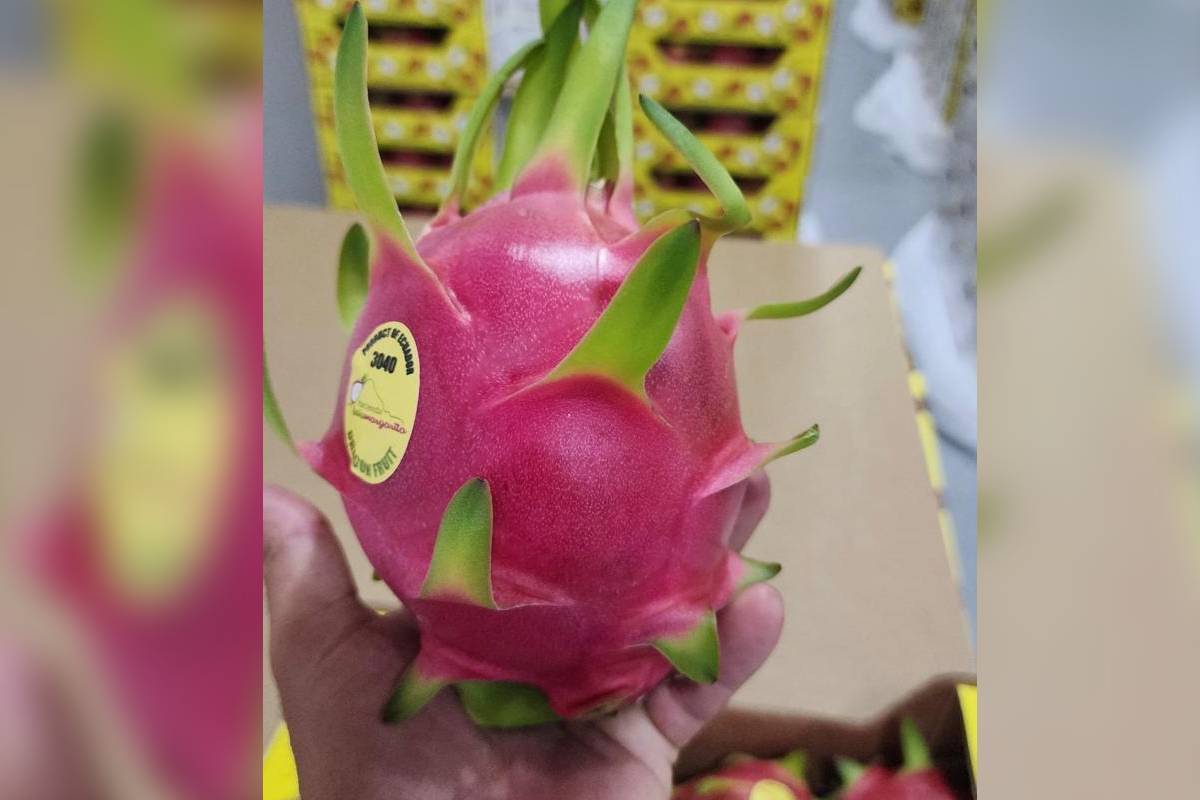
Quality has become the decisive factor in international markets, especially in Europe. In this scenario, Martinez is calling on his fellow Ecuadorian producers to "take a step forward" and set a minimum export quality, which will entail greater awareness of crop management, especially in the use of pesticides, sanitation, and harvest timing.
This has been Hacienda Laia Margarita’s bet, said the executive: “We are looking for a market that wants excellent quality fruit. And if they pay for it, our obligation is to improve every day.”
In Martínez's opinion, flavor, color, and sanitation are only achieved by respecting the entire crop cycle, from flowering to harvest. This means his company doesn’t cut fruit from the tree while it’s green.
Additionally, Hacienda Laia Margarita has adopted a strict traceability system that, Martínez assures, can provide clients with detailed information on each batch. This information includes details such as the floral bud's birth, products applied, climatic conditions, personnel involved in the harvest, and the disinfection protocols used.
“That generates trust,” the executive adds. “Customers know exactly what they are buying.”
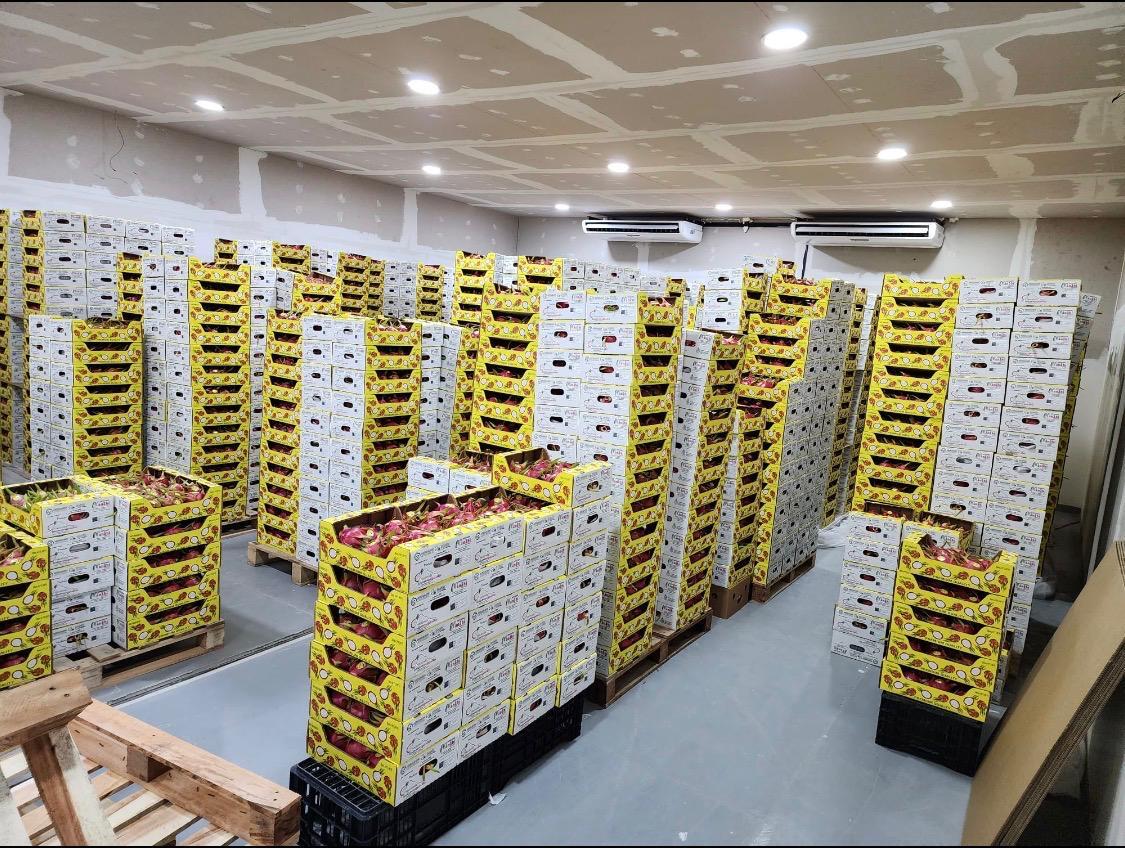
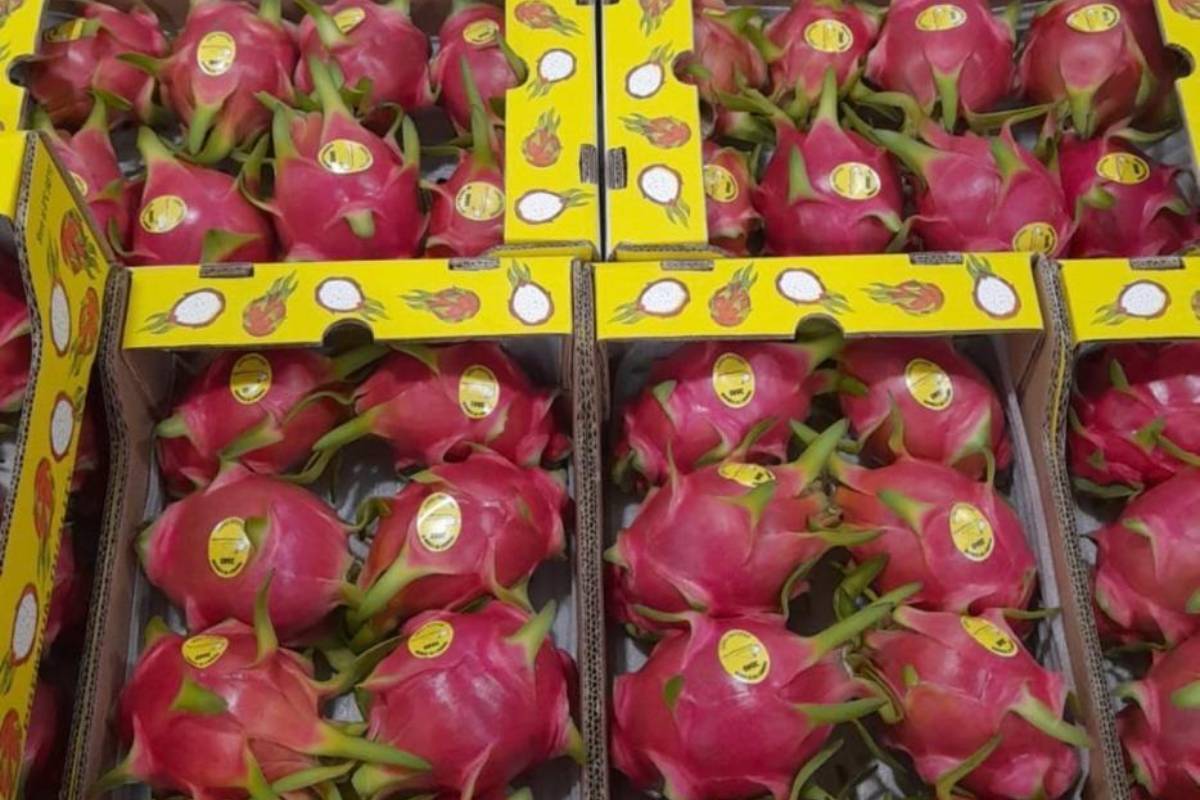
This approach has allowed them to position the brand—known in the market as the “yellow box”—as a premium product.
“Our fruit is sold for $1.50 to $2 more expensive than the rest of the market, but people buy it because they recognize the quality, color, and size,” Martinez explains.
Productive results and efficiency
Currently, Hacienda Laia Margarita has 54 producing acres, with yields ranging from 14,000 to 20,000 kilos per acre, depending on the year and climatic conditions. Only two percent of the fruit doesn’t meet export conditions.
“The key to success is maximizing the crop's yield,” Martínez indicated. However, he acknowledges that climate remains one of the great challenges. Last winter was particularly harsh, he explains, with heavy rains that made sanitary management difficult, leading to plant loss and the discard of several harvests.
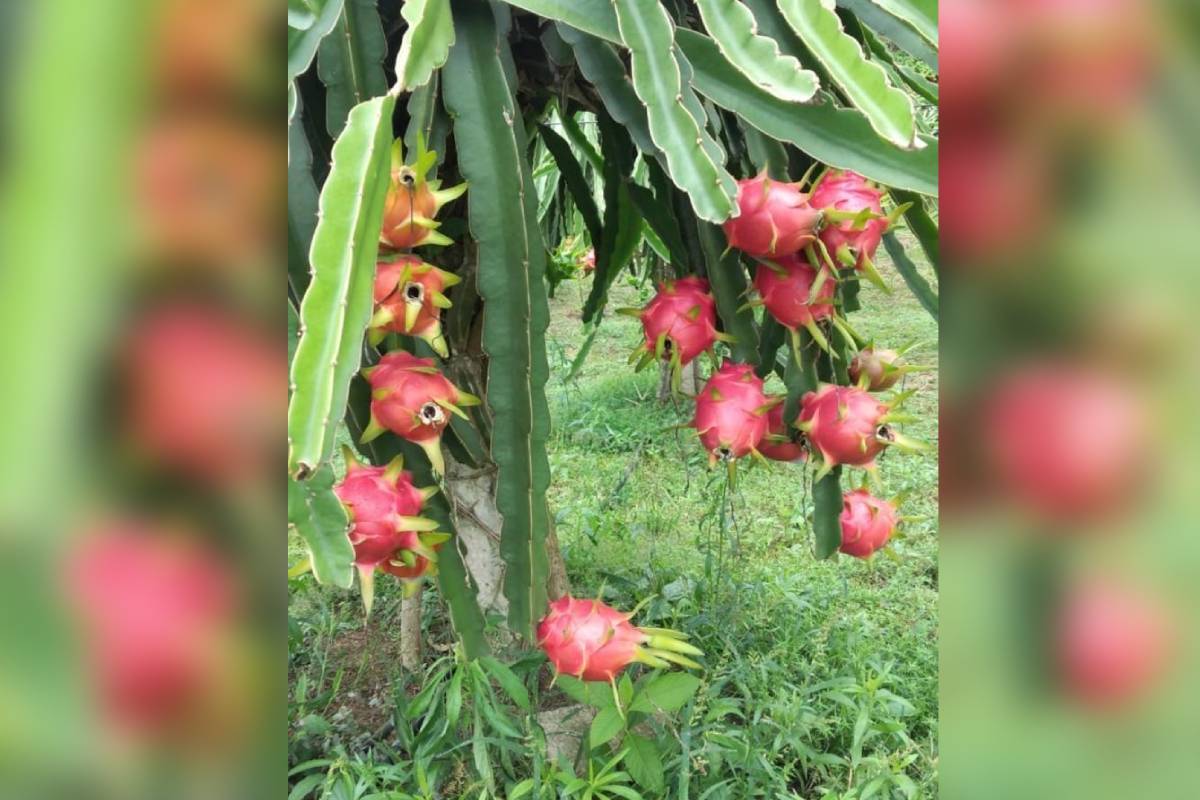
Looking ahead, Martínez anticipated a more regulated scenario, noting that in Ecuador, there is already talk of establishing standards for dragon fruit similar to those for bananas, with minimum prices and greater controls. Furthermore, he warns that the European Union is moving towards stricter random controls on fruits imported from South America.
“If they start analyzing and finding pesticides, they can close the market for us. That is very serious,” the producer noted.
Martínez stressed that the future of Ecuadorian dragon fruit is not about planting more, but about doing it better.
“We have extraordinary fruit, but if we do not improve quality, traceability, and market vision, all that potential is lost,” he concluded.
Related stories



Subscribe to our newsletter