







Venezuela responds to TR4 outbreak with crop diversification program



This story was originally published by the Food and Agriculture Organization of the United Nations.

A phytosanitary emergency declared in Venezuela in 2023 following the arrival of Fusarium Tropical Race 4 (TR4) has prompted authorities and international partners to launch a recovery program to help affected banana and plantain growers shift to alternative crops and strengthen biosecurity.
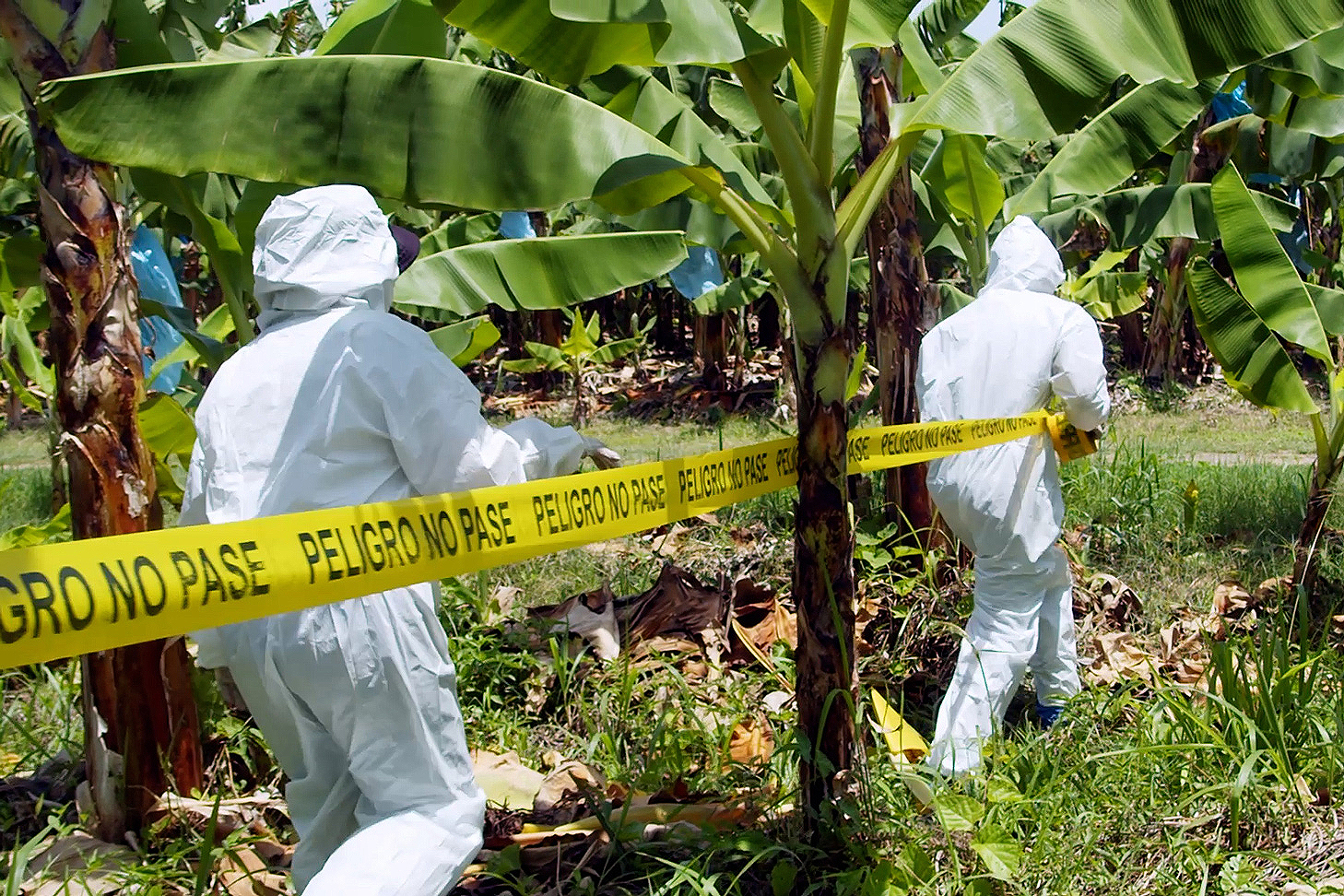
Venezuela’s National Institute of Integral Agricultural Health (INSAI) confirmed the presence of the soil-borne fungus—considered one of the most destructive diseases affecting bananas and plantains—in producing areas in the states of Aragua, Carabobo, and Cojedes.
TR4 can remain in soil for more than 20 years, making infected land unsuitable for susceptible banana varieties and posing a long-term risk to production systems that rely heavily on the crop.
To contain the disease and help farmers recover economically, INSAI has worked with the Food and Agriculture Organization of the United Nations (FAO) to remove infected plantings, improve soil health, and transition growers toward other crops such as corn, cassava, and vegetables.
©FAO
Pilot project to restart production
The program includes technical training, biosecurity inputs, tools, and seeds to help farmers in high-risk areas resume agricultural production while reducing the spread of pathogens.
In the Renacer community in Aragua state, growers had cultivated bananas and plantains on about 49 acres since 2018, before the disease destroyed their plantation.
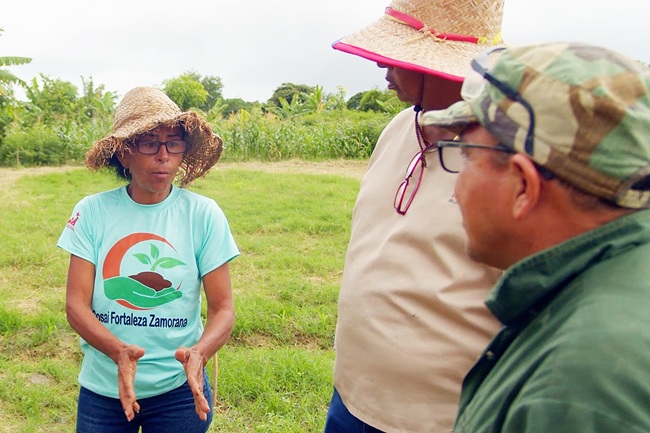
"When the disease hit, the entire plantation began to deteriorate. We refused to 'die' with the trees because that was our livelihood. The INSAI visits confirmed that we had to chop down the banana trees. I cried a lot because I had worked with my banana trees for years," grower Lesbia Margarita García tells FAO.
With FAO support, the community began planting corn as part of a soil-recovery and crop-diversification effort.
"Planting corn, thanks to the INSAI-FAO programme, gave us a harvest that benefited everyone. We have been improving the soil," adds García. "Now we rotate crops, observe soil health, and have learned how to use natural fertilizers. Expert assistance has been key."
According to FAO, the pilot initiative works directly with producers in high-risk zones, promoting cereals and vegetables as alternative crops while introducing stricter biosecurity practices designed to contain the fungus.
"Beyond the corn received, we have already planted cassava, chili peppers, beans, and pumpkin. We hope that by the end of the year [2025], we will be diversified and that each season we will have something to sell. These lands do not give up," says García.
Produce from the Renacer community has begun reaching local markets, helping generate income as farmers rebuild their livelihoods.
©FAO
Surveillance and global coordination
INSAI continues to lead surveillance, monitoring, and training programs to limit the spread of TR4 across the country. Authorities have also updated the national action plan and launched awareness campaigns for producers.
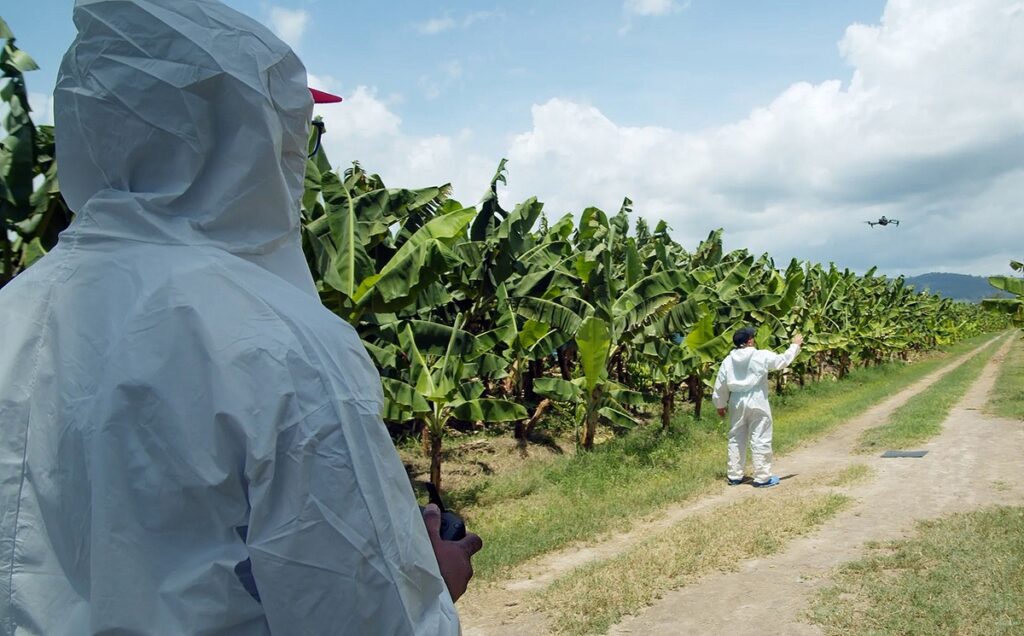
As part of the initiative, FAO has provided laboratory equipment, biosecurity supplies, and a multispectral drone to support phytosanitary monitoring. According to the organization, drone technology enables faster, higher-resolution surveillance of crop health and potential pest or disease outbreaks.
FAO also coordinates international collaboration on TR4 through the World Banana Forum and its Global Network on TR4.
"The objective is for countries to strengthen their operational and technical capacity, articulating actions between the public sector, the private sector, and family farmers,” says Raixa Llauger, FAO Agriculture Officer in Mesoamerica. “FAO and local partners have promoted this approach in Venezuela."
According to the FAO, the project has helped strengthen Venezuela’s biosecurity framework by adopting a national action plan, improving diagnostic capacity, and fostering partnerships between national and international institutions to manage the long-term threat posed by Fusarium TR4.
Related stories
Colombian banana growers demand "fair price" from European retail amid rising production costs





Subscribe to our newsletter