








$6M research effort targets next-gen peanut defenses
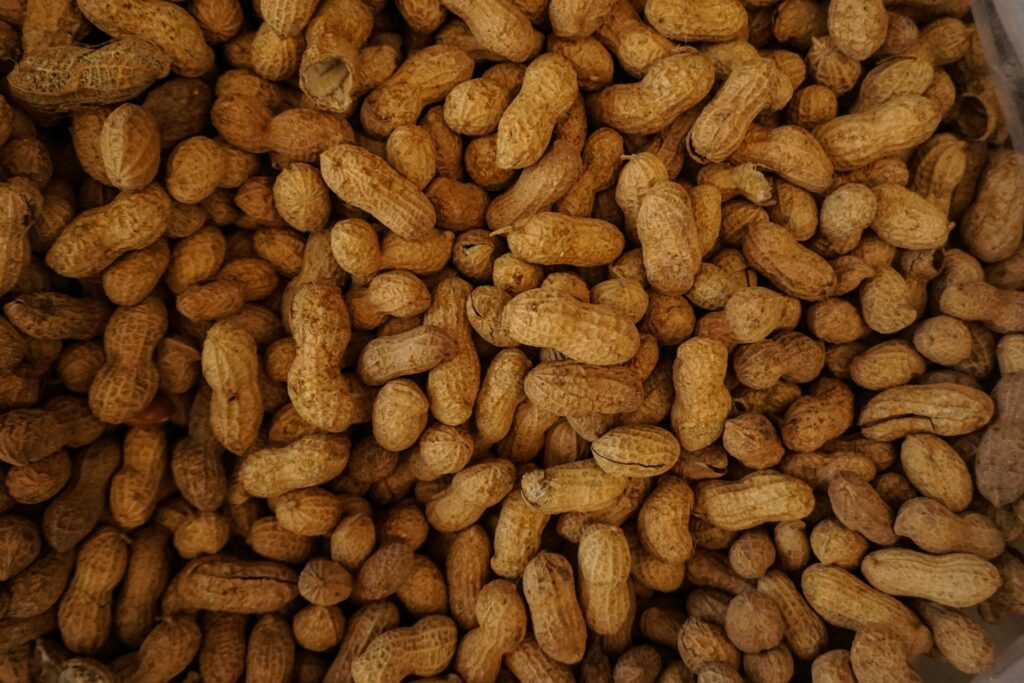



A study led by researchers at the University of Georgia (UGA) is aiming to fortify American peanuts against disease and pest pressures. The $6 million research effort is using global field trials and wild genetics to accelerate the development of more resilient varieties for Southeastern growers.

Backed by nearly $1.2 million from Mars Inc. for US-focused work and close to $5 million from the Gates Foundation, the effort is looking into projects in East and West Africa.
David Bertioli, a professor at UGA’s Department of Crop and Soil Sciences, and Soraya Leal-Bertioli, a senior research scientist in the university’s Department of Plant Pathology, are using wild peanut relatives to reduce dependence on chemical inputs while maintaining the yield and quality standards required by commercial markets.
The US-Africa effort hopes to deliver improved peanuts tailored to regional needs and leverage shared genetic resources to address evolving global disease pressures.
Preparedness is key
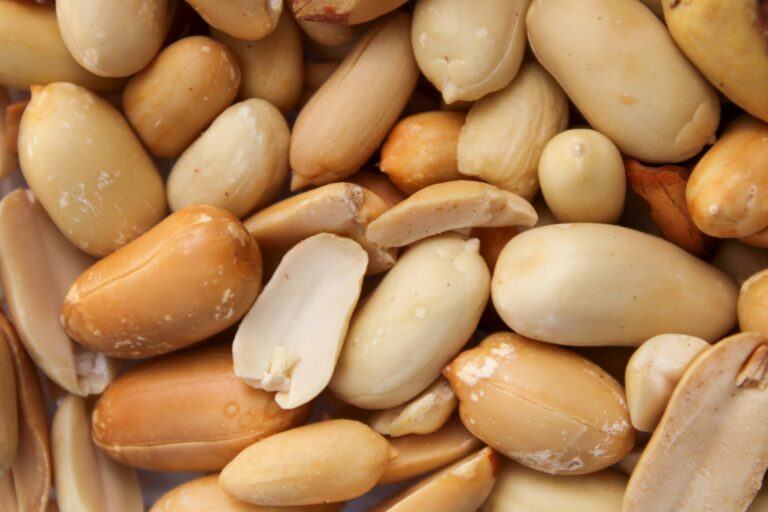
At the University of Georgia’s Wild Peanut Lab, Bertioli and Leal-Bertioli are using a staged breeding process to transfer beneficial traits from wild species into cultivated peanut varieties. This approach allows them to identify genomic regions associated with resistance to threats such as leaf spot, rust, and nematodes, and tracks those traits through repeated breeding cycles.
The same pipeline supports both projects, allowing researchers to test breeding lines under different disease pressures across regions. In Africa, where threats such as groundnut rosette virus are already present, collaborators evaluate hundreds of breeding lines without introducing pathogens into the US.
“We already saved five years of breeding effort” by working where the diseases are, Leal-Bertioli said.
That strategy allows American breeders to prepare for potential disease incursions linked to global trade and shifting climate conditions. If new threats reach US production regions, researchers can move more quickly with pre-tested genetic material rather than starting from scratch.
Long-term breeding for resilience
The work builds on more than 20 years of international collaboration and reflects the long timelines required for crop improvement. Researchers must cross wild and cultivated peanuts, remove undesirable traits, and stabilize performance before releasing commercially viable varieties.
“We start with a wild plant that we know is promising, but it hides gems: genes that can only be expressed later, in different places, under conditions we sometimes can’t even test here,” Leal-Bertioli said to UGA about the two projects. “We have to shape the wild material into something a breeder or farmer can realistically use. That means removing undesirable agronomic traits and advancing it through multiple cycles of selection.”
The expert explains that the process takes many years, and once she and her team find promising breeds, each partner will evaluate them against their own disease pressures and production priorities.
“We often don’t know what we’ll come across when we start, but the more knowledge we have, the more fields this material is tested in, the more useful things we find,” Bertioli added.
According to the researcher, having two different partners offering different growing conditions grants the project an additional and important edge: synergy.
“If we find a genetic trait that confers resistance to leaf spot in Georgia and then test that same trait in East Africa and it also confers resistance there, that tells us something. If it doesn’t, that tells us something else,” he adds. “
That accumulation of knowledge really helps. And it helps the security of Georgia farmers against things we can’t fully foresee.”
In sub-Saharan Africa, groundnuts serve as a key source of protein and income for smallholder farmers. In the US, the crop rakes in hundreds of millions of dollars annually, particularly in Georgia and across the Southeast.
*Photos are referential.
Related stories:
With record numbers, Argentine peanuts lead global exports
USDA to roll out a $12 billion post-shutdown tariff relief fund. Critics say it may not be enough.
Farmers applaud Senate passage of Big Beautiful Bill with boosts to commodity prices, disaster aid


Subscribe to our newsletter