








Mexican avocado industry on track for exponential 2026 growth
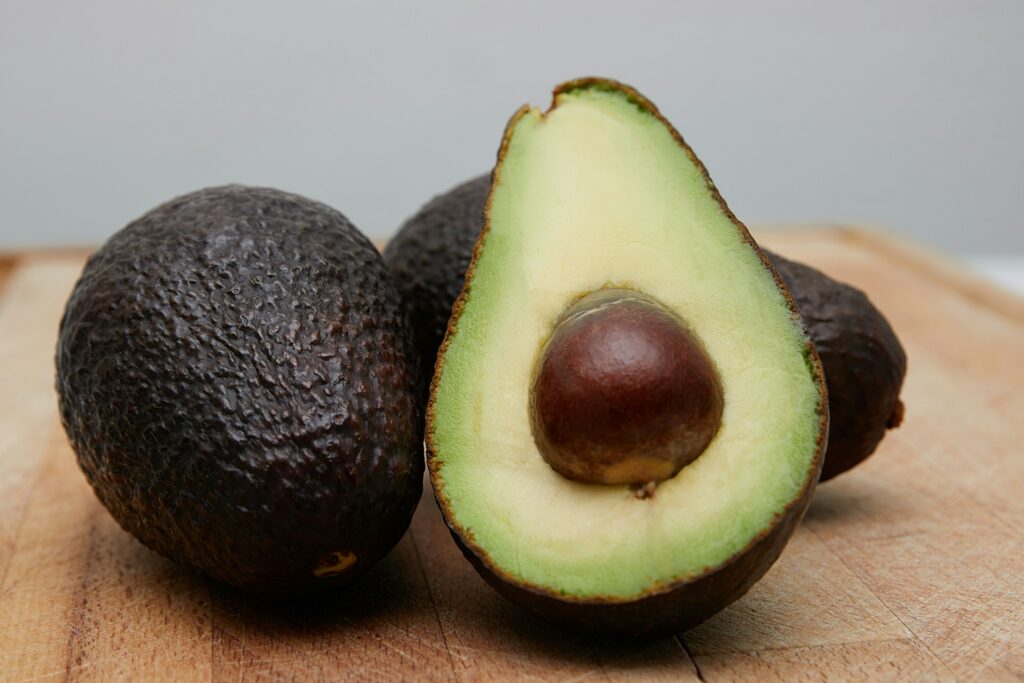



The Mexican avocado industry is poised for yet another year of exponential growth in 2026, according to a March 12 report by the United States Department of Agriculture’s Foreign Agricultural Service (FAS).

The document puts production at 2.8 million metric tons (MMT), noting a three percent year-on-year rise as strong US demand continues to pull supply north.
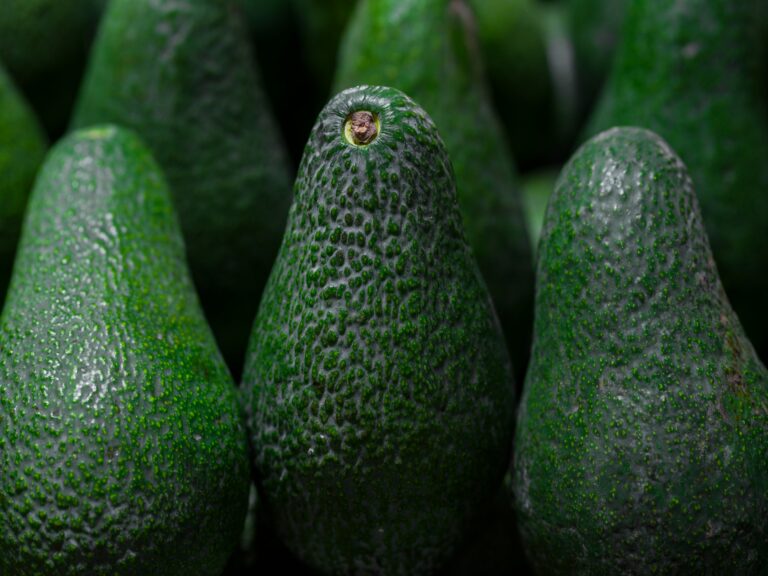
Exports are projected to be up to 1.31 MMT, with the US absorbing nearly 90 percent of total shipments. Demand tied to major sporting events, such as February’s Super Bowl, and holidays like Independence Day and Labor Day, is expected to underpin the outlook.
Total exports reached 1.22 MMT in 2025, up two percent from the previous year, with shipments to the United States totaling 1.08 MMT.
By all accounts, Mexico will maintain its leading position as the world’s top avocado producer and exporter, accounting for about 28 percent of global output.
Weather to sharpen Mexican avocado’s edge
The report also notes that improved weather conditions and production practices are setting the stage for an even larger, higher-quality crop in 2026. Planted area, however, is forecast to remain flat at about 662,000 acres. But yields are trending higher.
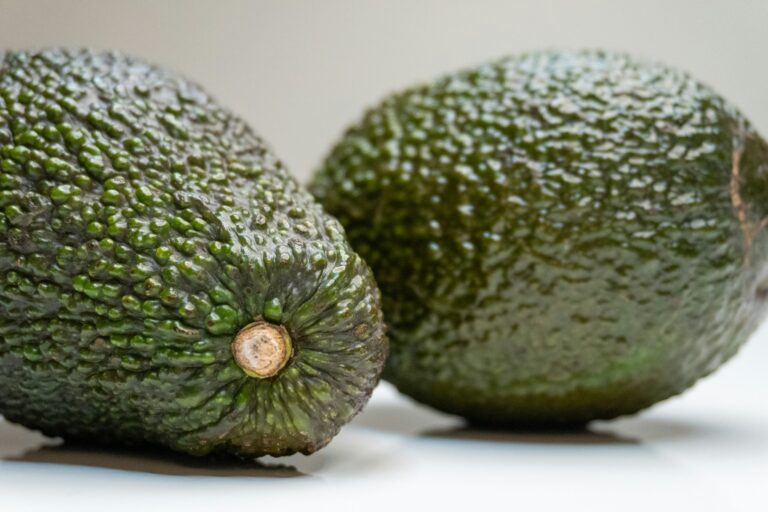
Late-season rains in 2025 extended into November and early December, replenishing aquifers in key production regions. Combined with mild December temperatures ranging between 68 and 73 degrees Fahrenheit, strong flowering and fruit set are expected to improve size profiles.
Orchard management has also been key to the sector’s sustained growth. While about 65 percent of the groves still depend on rainfall, producers in Michoacán and Jalisco are accelerating the adoption of pressurized irrigation systems to improve water use and nutrient delivery.
The neighboring states in western Mexico are the only ones approved for exports to the US and account for 85 percent of the country’s total output.

Hass avocados remain the dominant variety across markets, and the Mexican industry is well aware of this. After heat stress in 2024, the 2025 Hass crop rebounded, with growers reporting improved quality and sizing, particularly for retail-coveted 40s and 48s, which reached weights from nine to 12 ounces.
On the policy front, a labor certification program under the Plan Michoacán for Peace and Justice, launched in December 2025, will require exporters to demonstrate compliance with labor laws, including the formal registration of workers. A six-month trial period begins this April.
Meanwhile, Michoacán’s voluntary Forest Guardian certification program aims to curb deforestation linked to avocado production by offering incentives to growers who preserve forest land.
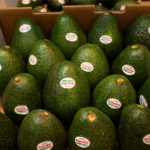
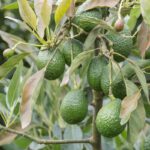
*All images are referential.
The second edition of the Global Avocado Summit will be held on November 11, 2026, at the Monticello Casino Events Center in Santiago, Chile. Organized by the Chilean Avocado Committee and Yentzen Group, the meeting seeks to bring together the main players in a growing industry.
The event has established itself as a key space for addressing commercial and sustainability issues in the industry, bringing together producers, exporters, buyers, certifiers, and innovators to analyze the sector’s challenges and opportunities.
For more info, contact
Related stories:
Peru reigns supreme in table grape and avocado exports—but not without challenges
New labor certificate to boost Mexican avocado export competitiveness
ProForest Certification confirms 90% of Mexican avocados for US market are deforestation-free






Subscribe to our newsletter