
University of Florida lettuce crops show full resistance to bacterial leaf spot
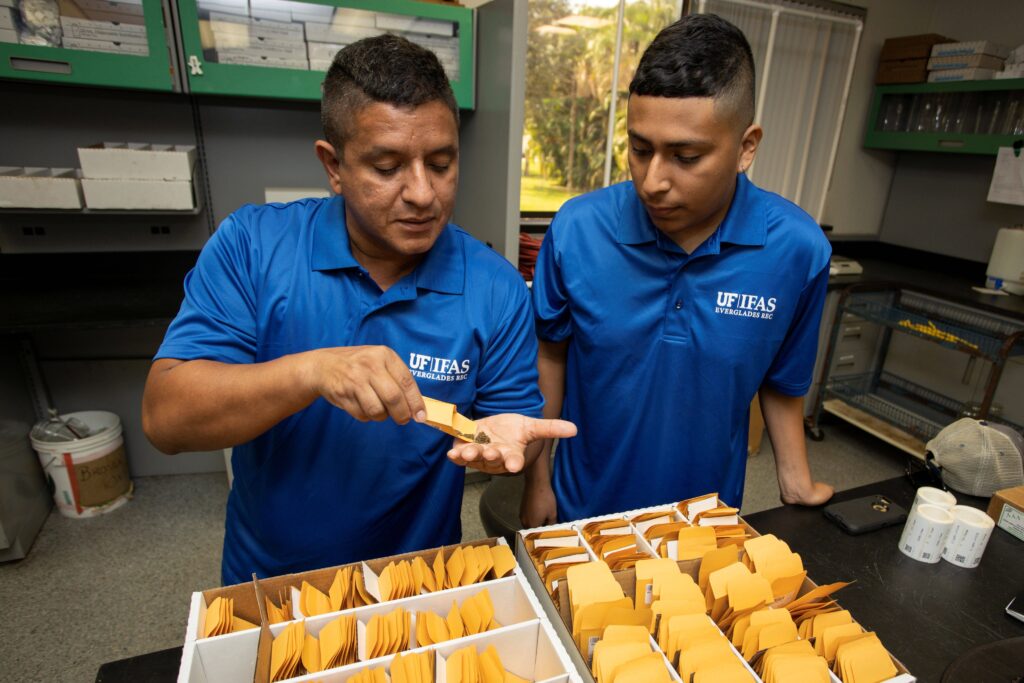

A recent breeding effort is promising to be a true scientific breakthrough and has lettuce growers on the edge of their seats. New lines developed by researchers at the University of Florida Institute of Food and Agricultural Sciences (UF/IFAS) have demonstrated complete resistance to bacterial leaf spot under commercial conditions, marking a potential advance for facing a disease with no effective chemical controls.

The work, led by Germán Sandoya, associate professor at UF/IFAS Department of Horticultural Sciences, aims to deliver commercially viable lettuce varieties that can withstand both disease pressure and rising temperatures. The project has also received support from the United States Department of Agriculture National Institute of Food and Agriculture (USDA-NIFA), which granted Sandoya’s team $500,000 in funding.
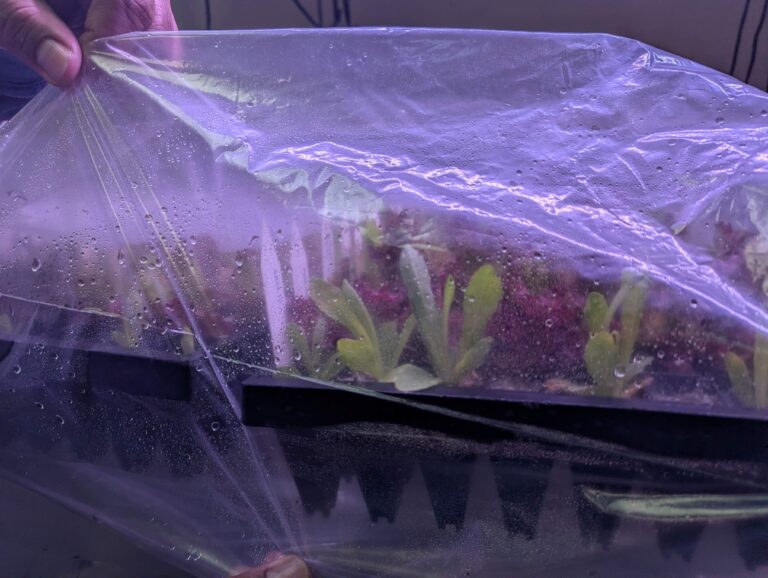
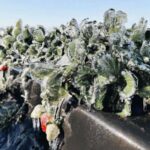
After several years, researchers report that the most advanced lines show no symptoms of bacterial leaf spot in environments where susceptible cultivars are usually affected. “The lines show complete resistance; that is, the disease does not appear in these lines but does appear in susceptible cultivars,” Sandoya told FreshFruitPortal.com.
Bacterial leaf spot continues to reduce yield and quality across US lettuce-producing regions, particularly in warmer climates.
“Growers do not have access to fungicides to combat this disease. In fact, growers can do nothing once the disease appears,” Sandoya said.
This lack of management strategies is what makes developing host plant resistance a priority.
Wild genes: The key to bacterial leaf spot resistance
To create disease-resistant plants, researchers incorporated genetic material from a wild lettuce accession originally collected in Macedonia.
While not commercially viable on its own, the samples provided a source of bacterial leaf spot resistance that breeders have used to develop hundreds of advanced lines across multiple lettuce types, including romaine, iceberg, and leaf.
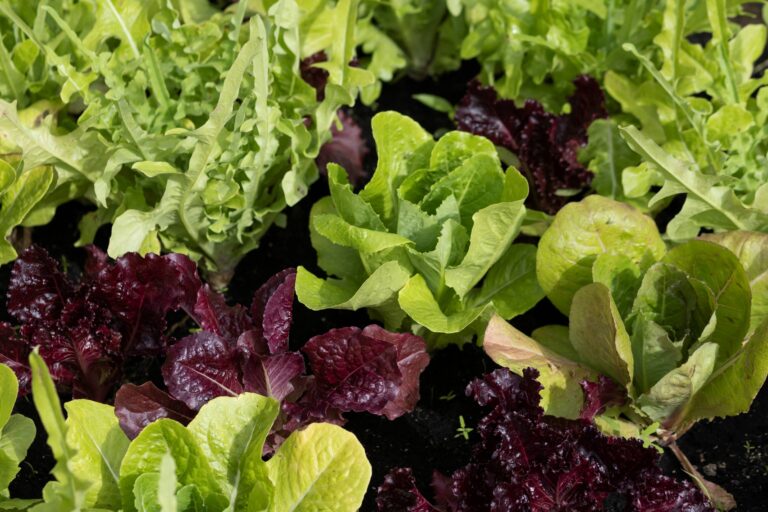
The program is now moving into expanded field validation, with trials planned across Florida, California, and Arizona, as well as greenhouse systems. Researchers aim to confirm consistent performance across environments, including sandy soils common in parts of Florida.
The Sunshine State ranks as the third-largest lettuce-producing state in the US, with production concentrated in the winter growing season from fall planting through spring harvest.
Quality is still king in the breeding race
In addition to bacterial leaf spot resistance, UF/IFAS’s breeding effort focuses on meeting commercial requirements, such as the lettuces’ ability to maintain quality through storage and long-distance transport.
“The main challenge lies in ensuring that the lines maintain good characteristics while also offering resistance. That is, good head formation, extended storage life, adequate weight, and appeal to growers,” Sandoya explains.
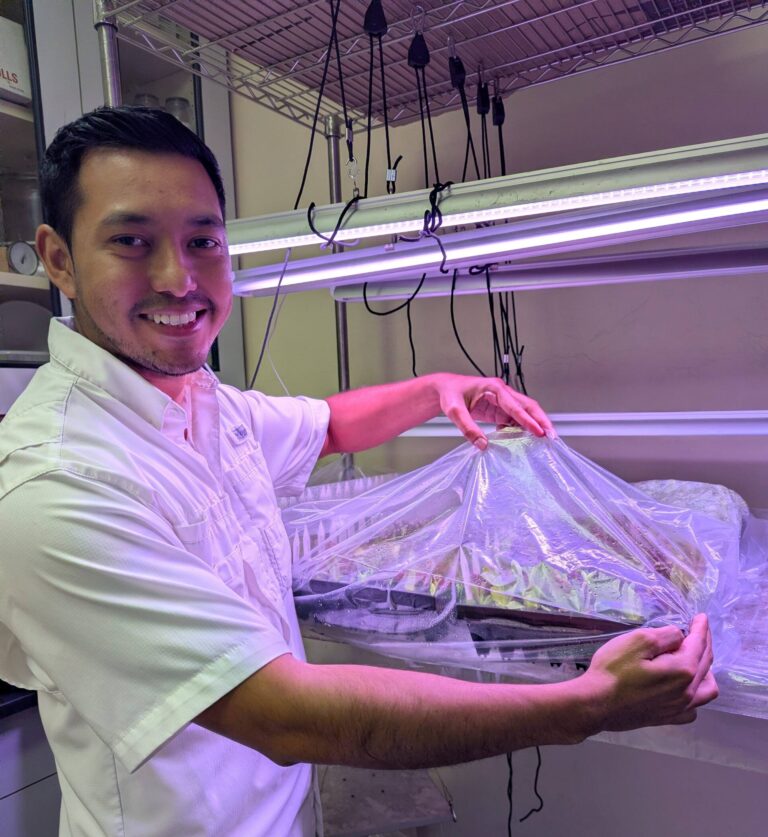
Early research also suggests that resistance could extend to Cercospora leaf spot, another disease whose prevalence increases under warm conditions and has no effective control, particularly in greenhouse production. If validated, the development could represent one of the first public lettuce cultivars with resistance to multiple major diseases.
Sandoya says the timeline for commercial availability is uncertain, but researchers indicate a relatively near-term pathway compared to typical breeding cycles.
“About four years, or perhaps a little less,” he said. “It all depends on the ability to scale up seed production and on growers' acceptance.”
*All photos courtesy of UF/IFAS.
Related articles:
Better and greener lettuce—Greenway Farms partners up with Sollum Technologies
Triple-digit heat hits lettuce, broccoli, and strawberry harvests in California



Subscribe to our newsletter