

ONE applies fuel surcharge for land transportation in Latin America
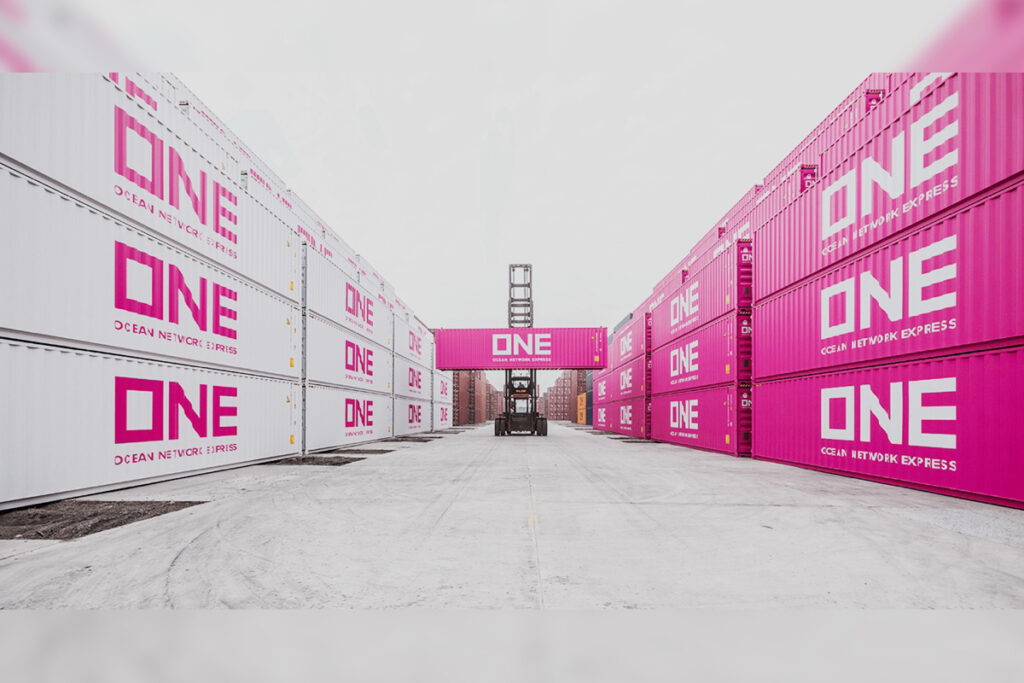

Shipping liner Ocean Network Express (ONE) is implementing a land fuel surcharge (IFL/IFD) for its inland transportation. The increase will apply to all import and export shipments to and from Latin American countries, including Chile, Peru, Mexico, Brazil, and Ecuador, among other markets relevant to the fruit industry.

In a recent post on the company’s website, ONE said the price hike was due to increasing instability in the Middle East, which has led to significant disruption in the availability and distribution of fuels.
The measure will apply to all commercial routes and services and will be subject to regulatory approvals, as applicable, remaining in force until further notice.
The company also warned that the potential long-lasting volatility in the energy market could lead to further adjustments.
Higher prices are necessary, says ONE
The ocean liner said that the implementation of these surcharges aims to safeguard the stability of the logistics network and ensure service continuity despite the current global scenario.
Finally, the company indicated that it will continue to monitor the situation and support its customers, recommending that they contact their local representatives for specific questions or requirements.
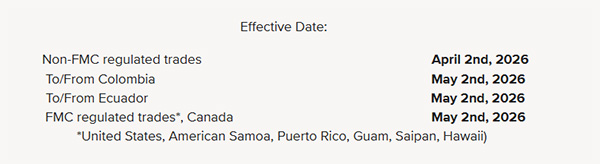
While the surcharge for unregulated services began on April 2, starting May 2, 2026, the surcharge will apply to Colombia, Ecuador, and markets regulated by the FMC.
ONE’s fuel surcharges vary by country, cargo, and mode of transport, reflecting differences across markets in the region.
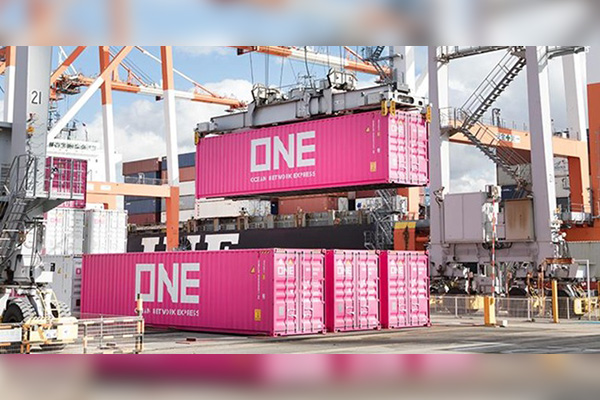
In the case of land transportation, for example, Chile records rates of up to $45 per dry container and around $380 for refrigerated cargo. Meanwhile, Peru shows considerably lower levels, with a $10 surcharge on both imports and exports.
In contrast, markets like Bolivia and Paraguay present higher costs, reaching $375 and $420 per container, respectively.
*All images and graphics courtesy of ONE.
Related stories
Middle East conflict strains costs and global agricultural supply chains, Rabobank warns




Subscribe to our newsletter