
Fruit snacks bet on wellness, as industry doubles down on whole foods, clean labels


The global fruit snacks industry is reinventing itself, shifting toward a whole-foods mindset and crafting products that blur the boundaries between snack and supplement.

According to a report by market analyst firm MarketIntelo, the fruit snacks market value is poised to nearly double from $6.7 billion in 2024 to $11.2 billion by 2033, driven by the industry’s shift away from processed sugars toward fruit-derived ingredients.
Health-focused consumers fuel fruit snack industry growth
Fruit bars and dried fruit snacks lead the market, favored for their fiber content. While fruit gummies and jellies remain popular indulgent options, companies are working to shed their "candy in disguise" image. The strategy here is to prioritize nutrient-dense formulas made from whole-fruit purees rather than concentrates to retain nutrients and dietary fiber, and to appeal to proactive health consumers.

Pro-health consumers are also highly discerning, prompting the industry to prioritize label transparency. Increasingly, fruit snacks feature "No Added Sugar," "Non-GMO," and "No Artificial Colors," as these are now considered baseline requirements for products entering high-growth retail channels, according to the report.
Innovations in freeze-drying and dehydration are also enabling longer shelf life without synthetic preservatives.
Asia-Pacific drives volume, while North America leads in value
The report identifies Asia-Pacific as a primary driver of market volume, with a compound annual growth rate of 7.9 percent.
This expansion is fueled by a growing middle class in China, India, and Japan, rising disposable incomes, and rapid urbanization. However, that’s not the only factor, as growth has also been driven by a significant cultural shift in the middle class toward Westernized, health-conscious eating habits, especially in China and India.

Market dynamics differ by country. In China, high-end domestic fruit leathers and freeze-dried snacks are replacing traditional candies. Consumers in the Asian giant prefer "clean label" products and are increasingly cautious about artificial additives, resulting in higher demand for products that retain the fruit's original fiber and vitamin content.
In India, on the other hand, fruit snacks are positioned as a solution to micronutrient deficiencies. Manufacturers are fortifying fruit-based bars and chews with additional vitamins and minerals to appeal to health-conscious parents. The expansion of modern retail and e-commerce platforms in urban India has also made these once-niche products accessible to a broader demographic.
As of 2024, North America holds over 35 percent of the market share and sets premiumization trends, driven by a strong on-the-go nutrition culture and highly health-conscious consumers.
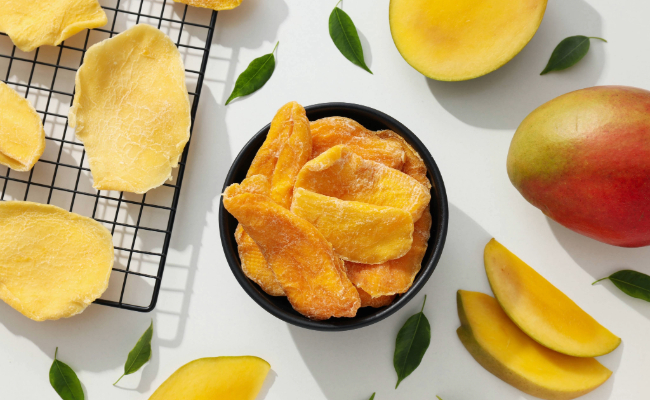
The report identifies the United States as the primary center for research and development, with frequent product launches tailored to local flavor preferences and clean-label products. Market stability is supported by strong retail networks, including major supermarkets and expanding e-commerce channels.
In America, fruit snacks are increasingly marketed for health purposes, such as immunity (infused with elderberry or zinc) or digestive health (incorporating prebiotic fibers). The report says this aligns with the broader "food as medicine" movement prevalent in North American wellness circles.
*All images are referential.
Related stories:
5 global shopping trends shaping the produce business in 2026









Subscribe to our newsletter