

Peruvian agtrade surpasses $1B in January, with the US leading demand
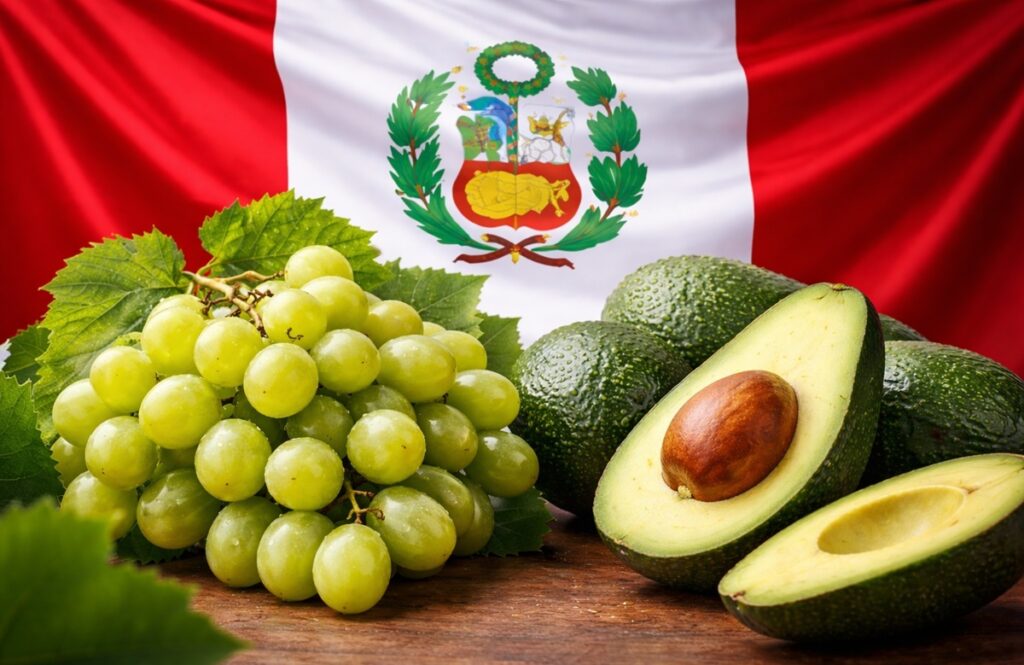


Peru’s fruit and vegetable exports totaled $904 million in January, up 16 percent year-on-year, with the United States remaining the top destination for shipments, according to the local Ministry of Agricultural Development and Irrigation (MIDAGRI).
The category accounted for 73 percent of the country’s non-traditional agricultural exports in the month, reinforcing its role as a primary growth engine for the country’s ag sector. Key products included grapes, blueberries, mangoes, and avocados, supported by strong demand in Northern Hemisphere markets.
Total Peruvian agricultural exports, including traditional and non-traditional products, reached $1.33 billion in January, an over eight percent increase compared to the same period last year, the Peruvian government reported.
Market mix bears fruit for exporters
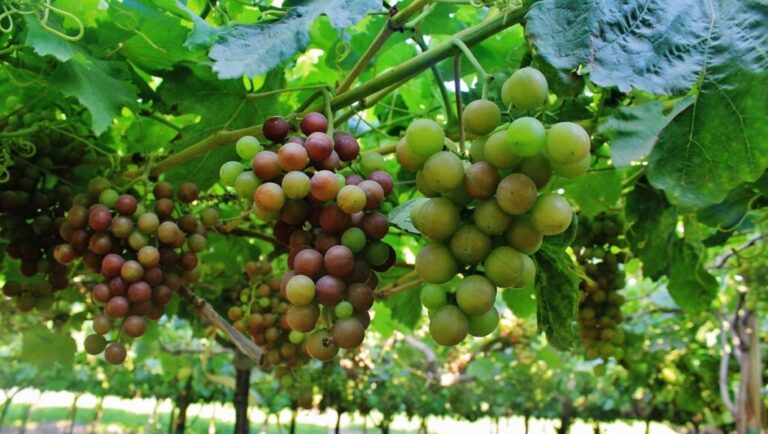
Photo by ADEX | Archive.
The US led Peru’s export markets, followed by the Netherlands, Spain, Mexico, Canada, and China. Together, these destinations accounted for more than 80 percent of the total export value.
MIDAGRI data shows the sector building on momentum from 2025, when Peru surpassed $8 billion in fruit and vegetable exports and shipped to more than 100 markets. The country continues to rank among the leading global suppliers of blueberries, grapes, and avocados.
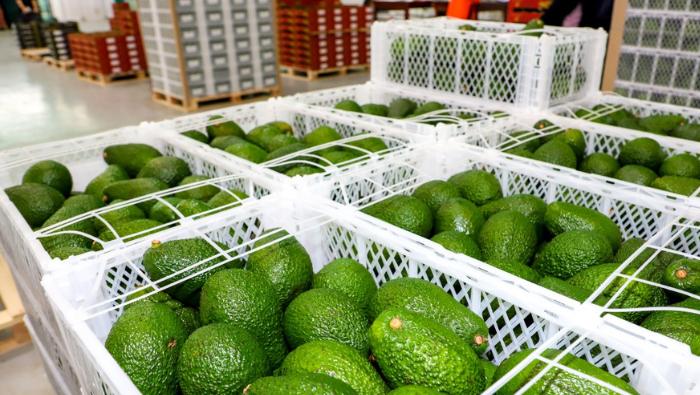
Photo by MIDAGRI | Archive.
Peru’s agribusiness sector has maintained export growth despite weather challenges, including recent impacts from the El Niño climate pattern.
According to the ministry, producers have leveraged the country’s diverse growing regions to sustain year-round supply, including shifting production to more favorable areas along the southern coast.
The sector has also increased investment in new varieties and production technologies to improve quality, flavor, and supply consistency for export markets.
Expanding access through phytosanitary efforts

Photo by MIDAGRI | Archive.
Peru continues to prioritize expanding market access through phytosanitary protocols led by its national plant health authority, SENASA.
MIDAGRI said these efforts aim to diversify the export basket and create more opportunities for small and medium-sized producers by integrating them into global supply chains.
*Main picture created with AI.
Related stories:
China's blueberry exports skyrocket 602 percent, transforming global trade
ProHass projects record 773,000 metric tons for Peruvian avocado exports






Subscribe to our newsletter