




Pennsylvania growers face up to 100 percent losses following devastating freezes

 Add Fresh Fruit Portal to Google
Pennsylvania growers are reporting near-total losses across major tree fruit crops after a series of spring freezes struck orchards that had already advanced into bloom, according to Pennsylvania State University’s Extension and the Department of Agriculture.
Early estimates place damages to the specialty crop industry between $150 million and $200 million. Pennsylvania ranks among the nation's leading producers of apples, peaches, grapes, cherries, and strawberries.
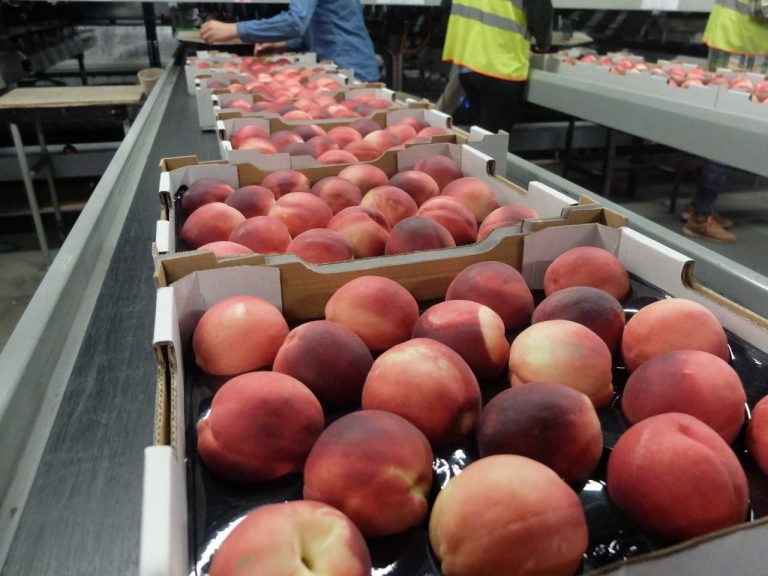
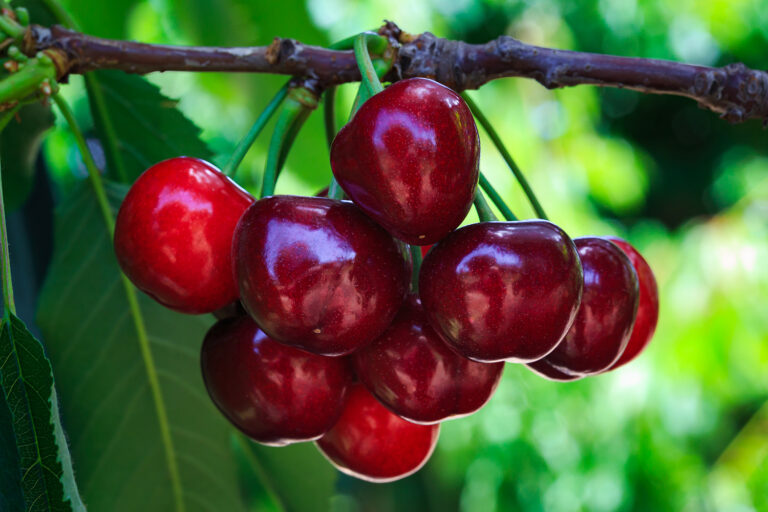
Total losses are estimated between 70 percent and 90 percent for apples; 90 percent and 100 percent for peaches, nectarines, and apricots; 60 percent and 80 percent for European pears, and 95 percent and 100 percent for cherries and plums. Surviving fruit may also suffer severely enough to reduce marketability, the university experts said.
The freeze stretched across much of the eastern fruit-growing region, from Virginia through New York, raising concerns about broader market impacts.
Growers also reported damage to nursery operations, Christmas tree farms, and vegetable crops.
At Ridgetop Orchards in Bedford County, co-owner Mark Boyer told Penn State he has been unable to find a single remaining cherry or peach across approximately 49 acres of cherries and 42 acres of peaches.
The orchard's 450 acres of apples sustained varying levels of damage by variety, and Boyer said many surviving apples contain dead seeds that could cause fruit drop later in the season.
Daniel Weber, horticulture educator on Penn State Extension’s commercial tree fruit team, said the freeze's impact may be difficult for the public to understand because the weather event was brief and left little visible evidence.
“It’s not like a hurricane, flood or blizzard,” Weber said. “It got cold for a couple of hours.”
According to Weber, temperatures of 29 degrees Fahrenheit or lower for as little as 30 minutes can destroy roughly ten percent of a crop, with losses increasing as cold conditions persist.
Pennsylvania growers navigate difficult decisions
As the state’s growers assess losses, Penn State Extension educators are providing orchard consultations, crop monitoring, and management guidance.
Growers must determine whether surviving fruit justifies continued spending on crop protection materials and harvest labor, whether damaged fruit should be diverted to juice processing, and how best to maintain tree health for next season.
Extension educators are also documenting losses through weekly crop reports shared with state and federal agencies as Pennsylvania seeks disaster assistance.
Governor Josh Shapiro (D-PA) has urged the federal government to expedite crop insurance payments and damage assessments through a letter to United States Department of Agriculture Secretary Brooke Rollins.
The losses could prove particularly challenging for smaller operations. Weber said many newer orchards in central Pennsylvania are operated by Amish and Mennonite growers who often do not participate in government assistance programs.
Supply chain concerns
Penn State Extension officials said the effects of the freeze are likely to extend beyond orchard gates.
Weber said reduced production could also affect agricultural suppliers, equipment dealers, seasonal labor demand, and agritourism businesses associated with orchards and fall festivals.
Growers are also evaluating how crop losses may affect supply agreements, forced to figure out whether they will fulfill their contracts and whether their customers are understanding enough to give them a pass this year, Weber noted.
Miranda Harple, interim director of the Center for Plant Excellence at Penn State Extension, said growers should document losses and stay in contact with crop insurance agents and local Farm Service Agency offices as disaster assistance programs develop.
“We can help growers understand resources available and how to navigate the systems that exist already for impacted industries,” she said. “We get accurate information out as quickly as we can through channels that growers trust.”
Despite the losses, Harple pointed to the resilience of the state's agricultural community.
“In a room full of growers, we turn to those who have mentored us, and I have a lot of respect for what they carry and what they have taught us,” she said. “The freeze hit all of us. The initial counts were heartbreaking.”
*Photos are referential.
Related articles
“My budget is toast”: Devastating freeze leaves Florida blueberry farm reeling
Innovative freeze-protection could transform Florida’s passion fruit growing approach










