South African lemons see earlier, bumper crop
 Add Fresh Fruit Portal to Google
Despite logistic hurdles, the Citrus Growers Association of South Africa (CGA) is holding its lemon export forecast steady at 49.4 million 33-pound cartons for 2026. Increased rainfall boosted fruit sizing and drove an unusually early harvest, according to the industry body’s most recent assessment.
South African lemon production in the northern growing regions is virtually complete, with volumes matching updated mid-season estimates. The CGA reported that Northern Hemisphere supplies cannot yet fully replace Southern Hemisphere availability, which maintains a favorable marketing window for South African exporters over the coming weeks.
South African lemon hub sees juicy yields
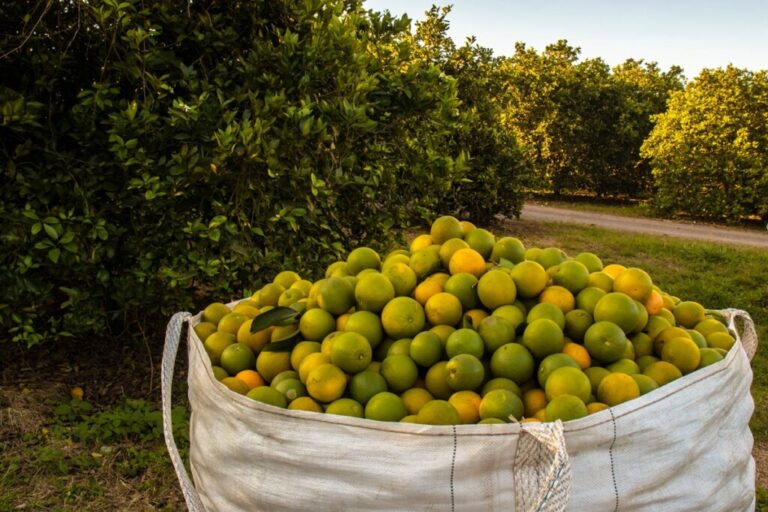
The Sundays River Valley in the Eastern Cape province broke a two-year streak of average crops by recording a significant increase in per-acre yields. Hannes de Waal, CGA Vice Chairman and Managing Director of the Sundays River Citrus Company, noted that the region experienced an unconventional harvest pattern.
"For the first time, a substantial number of growers in the Sundays River Valley completed nearly 80 percent of their lemon harvest before the end of June, unlike previous campaigns when the harvest progress in the valley used to be much more uniform," de Waal said.
While the valley avoided the flooding that impacted other South African lemon-growing regions, the CGA said that growers remain cautious about how recent extreme weather, including a severe windstorm, might affect the remaining fruit left to pack.
Exporters are currently shipping lemons sized 64 and smaller to international fresh markets, while diverting larger fruit to three local processing plants. The CGA expects processing volumes to rise due to a slight recovery in global prices for lemon juice and lemon oil. South African lemon operations in the Western Cape are mirroring these trends, with volumes expected to decline rapidly in the next few weeks.
Geopolitical bottlenecks
Despite strong production, trade disruptions are clipping the industry's margins. The CGA warned that the Middle East conflict complicates logistics, particularly for Class three fruit heading to Iraq.
Higher transshipment costs through Türkiye have also reduced the profitability of those exports, forcing growers to redirect a large portion of that fruit to local juice facilities at lower returns.
"Our producers are resilient, but the cost of geopolitical instability is real and is felt in every orchard," said Leroux Venter, chairman of the CGA Lemon Focus Group.
*Photos are referential.