Brazil’s 2025–26 season orange output increased by 27 percent

 Add Fresh Fruit Portal to Google
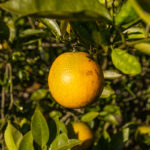
Final orange output from the citrus belt of São Paulo and southwestern Minas Gerais, Brazil, for the 2025–26 season totaled 292 million boxes, according to the latest report from Brazil citrus industry representative, Fundecitrus.
Despite a 27 percent uptick from the previous campaign, final numbers are seven percent below the initial forecast issued in May 2025.
Late orange varieties lead in Brazil
According to Fundecitrus’ end-of-season report, late varieties Valencia and Folha Murcha led production, with 104 million boxes, followed by Pera oranges at 87 million boxes. Early varieties, Hamlin, Westin, and Rubi, collectively reached 46 million boxes, while Natal oranges totaled 37 million.
The report highlights that this season’s orange crop was shaped by a mix of weather hurdles and plant health challenges.
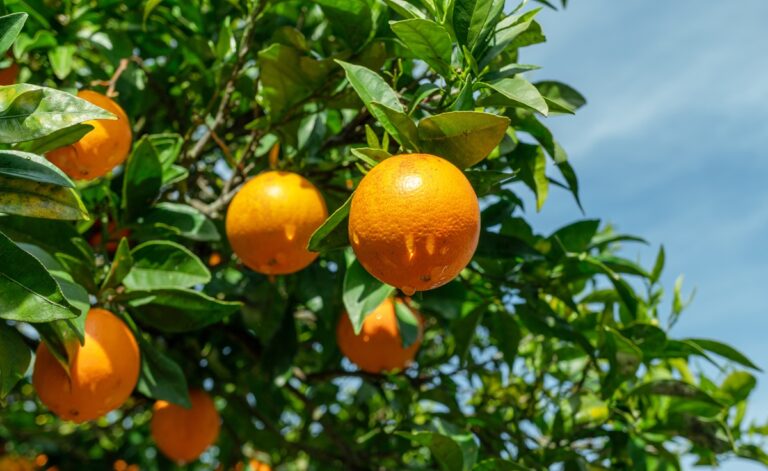
A 13 percent water deficit relative to the historical average, combined with cumulative rainfall of 1,135 millimeters (44.6 inches) between May 2025 and March 2026, negatively affected fruit development, especially in late varieties.
This was compounded by a 23 percent fruit drop rate, the highest in the past 11 seasons. This was mainly driven by the spread of citrus greening (HLB), which accounted for a 56 percent loss, or around 49.6 million boxes of oranges. In total, premature fruit drop losses were estimated at 88 million boxes.
Delayed harvest and smaller fruit size
Another relevant factor in the decrease was the slower harvest pace, associated with a high proportion of trees undergoing secondary flowering and growers’ efforts to achieve optimal maturity. This exposed the fruit to adverse conditions for longer periods, increasing the likelihood of dropping.
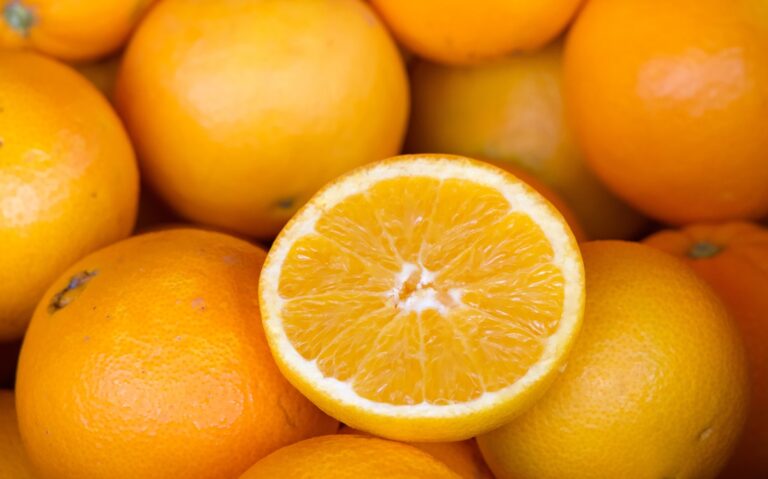
In addition, the average fruit size declined compared to initial estimates. On average, 266 oranges filled a 90-pound box, compared to the 258 originally projected, which suggests smaller fruit.
Yet, early 2026 rains offered some relief, boosting the growth of late varieties still on the trees despite the season’s weather setbacks.
*All images are referential.
Related stories
EU apple imports gain ground in Brazil as demand grows over 50 percent
Brazil’s orange juice shipments to the EU slipped in February