EU imports surge to $77B: Bananas, avocados, and grapes lead growth
 Add Fresh Fruit Portal to Google
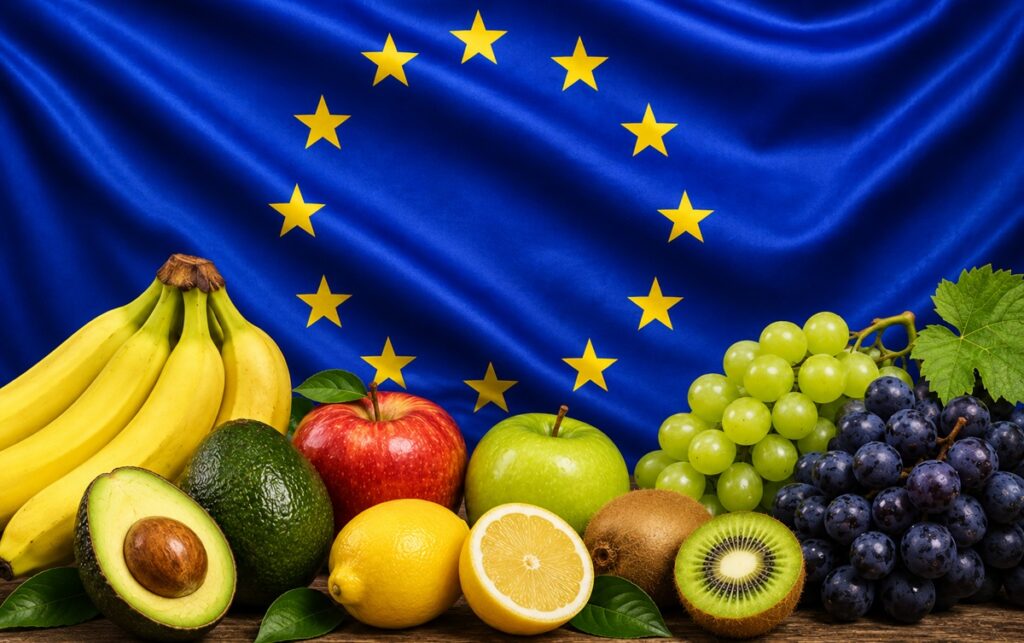
The European Union reaffirmed its position as the world's largest fruit importer in 2025, with purchases reaching $77.42 billion. This represented a 20 percent year-on-year increase and accounted for more than 40 percent of global imports in the sector, according to a report by data intelligence Fluctuante.
The performance reflects the sheer size of a consumer base exceeding 440 million people who, despite robust domestic agricultural production, rely on imports to guarantee a year-round fruit supply.
The European bloc remains one of the most attractive—and demanding—destinations for exporting nations. Suppliers must meet stringent standards for food safety, traceability, and quality, with countries like the Netherlands, Germany, and France serving as critical logistical hubs for distributing fruit throughout the rest of the continent.
Avocados, bananas, and grapes lead top import categories
In 2025, bananas, avocados, grapes, blueberries, and almonds accounted for 32 percent of the total value of EU fruit imports.
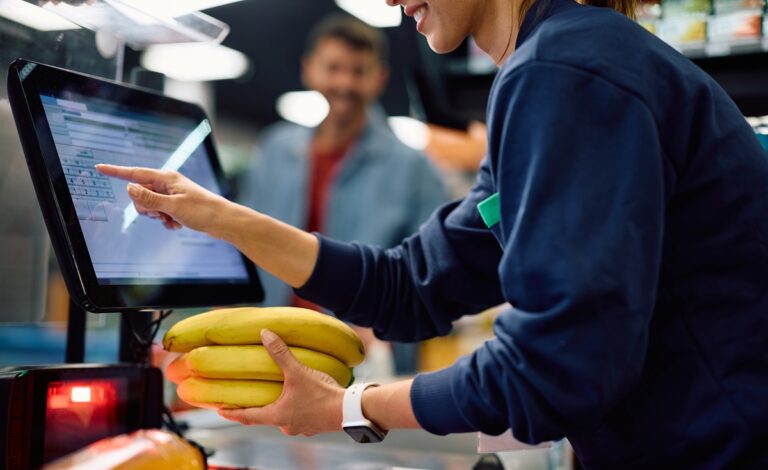
Fresh bananas topped the rankings with purchases totaling $7.65 billion, a nine percent increase, representing 10 percent of the bloc’s overall fruit imports. Nearly 70 percent of the supply originated in Latin America, with Ecuador as the leading supplier.
Fresh avocados secured second place with imports reaching $5.09 billion, up 11 percent and accounting for seven percent of the total market share. Peru maintained its lead as the primary supplier, backed by its ability to deliver consistent volume and high-quality fruit.
Meanwhile, fresh grapes recorded $4.98 billion in purchases, a 16 percent increase compared to 2024. Italy consolidated its position as the top supplier within the European market, driven by demand for premium seedless varieties and the need to offset lower harvests in other growing regions.
Blueberries stay strong
Fresh blueberries, with imports reaching $3.91 billion, experienced a notable 22 percent growth, reflecting their increasing integration into European consumer habits driven by health trends.
In this segment, Peru stands out again as the primary market supplier, bolstered by agricultural development in its northern growing regions, the market prominence of varieties like Ventura, and logistics tailored to supply the bloc competitively.
Almonds drive expansion
The category experiencing the highest growth rate in 2025 was shelled almonds, with imports reaching $3.19 billion—a massive 47 percent increase year-on-year.
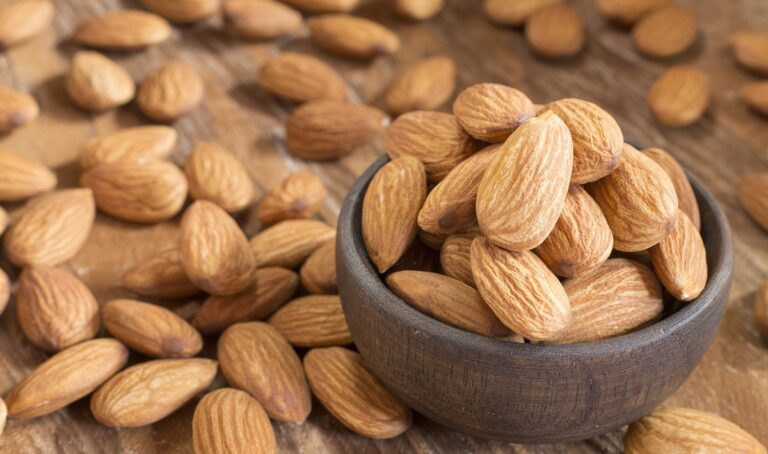
Growth was spurred by rising demand for plant-based foods, healthy snacks, and ingredients used in beverages and commercial baking.
The United States, led by California, remained the primary supplier to the European Union in this category.
Oranges, kiwifruit, and apples complete the fruit bowl
Beyond the top categories, the European market continued to demonstrate strong demand for other fresh produce. In 2025, oranges recorded $3.10 billion in imports, followed by kiwifruit at $2.96 billion, apples at $2.74 billion, lemons at $2.62 billion, and strawberries at $2.29 billion.
The figures highlight the bloc's need to supplement domestic production with imports to ensure a continuous, diverse year-round supply, solidifying the European Union's role as a key strategic market for the global produce industry.
*All images are referential via Shutterstock.
Related stories
New EU produce packaging rules put US exporters on the clock