Lanternflies are a real threat to grapes on the East Coast. Here's how science is fighting back.
 Add Fresh Fruit Portal to Google
by Tami Terella-Faram, ARS Office of Communications
USDA Agricultural Research Service investigators in Kearneysville, WV, recently conducted laboratory and field studies to determine the types of US specialty crops that are at high risk for damage and yield loss from the spotted lanternfly.
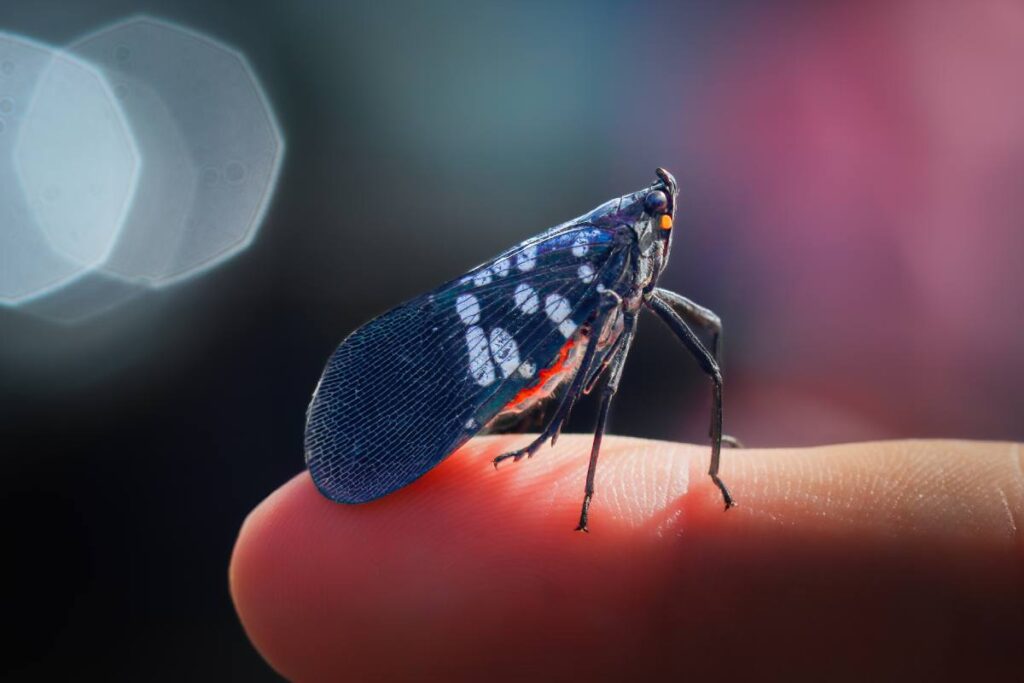
The invasive pest, native to Asia, feeds on a wide variety of cultivated and wild plants. First discovered in Pennsylvania in 2014, the spotted lanternfly has rapidly spread across the Eastern US and, according to scientists, is moving further west.
By utilizing innovative tools like drones and environmental DNA (trace amounts of DNA left behind by the insect in the environment) and classic methods like population counts, the researchers conducted field studies in grape vineyards in Virginia and West Virginia. They also conducted field trials with insect-killing nematodes, which may serve as a biological pest management tool to combat spotted lanternfly populations.

Image via Shutterstock
Additionally, they are working with researchers at Virginia Tech to evaluate a biocontrol agent for the favorite wild host of spotted lanternfly: the invasive tree of heaven. In this case, a native fungus was found to be a very effective biological control agent for the tree of heaven. The fungus is inoculated into the trunk, resulting in the plant's decline and death over time, and less food for lanternflies.
The spotted lanternfly threat to grapes
Following their initial field research, the ARS team found that while both apple and peach trees are at a lower risk of damage from spotted lanternfly feeding, table and wine grapes are greatly affected by the pest and its increasing population.
According to Tracy Leskey, ARS research entomologist, grapes are a favorite plant of spotted lanternflies, as feeding on the plant’s sap supports the insect’s survival and development.

Image via Shutterstock
“If left unmanaged, their feeding on grapevines results in significant reductions in berry and cluster weight after a single year,” she said. “This highlights the need for effective management of this invasive species in vulnerable crops like wine grapes.
“US concord grape production in the Lake Erie grape belt is currently at risk,” Leskey added. “We believe West Coast wine and table grape production is at risk over the longer term as the insect spreads. Spotted lanternflies are a big concern for the Lake Erie grape belt because they mechanically harvest grapes there. This leads to potential contamination in harvested grapes destined for juice and jellies.”
During their field studies, the Kearneysville research team set traps in the vineyard periphery to capture spotted lanternflies.
Leskey said that this gave them a sense of the insect’s population size in an unmanaged wild host habitat that could invade the nearby vineyard. They also conducted visual counts of spotted lanternfly adults and nymphs within sample sites to provide a better understanding of the pest’s pressure on vineyard growth and grape quality. They are also using eDNA methods to further sample for lanternfly presence even when populations are very low, giving newly invaded regions an early warning notification.
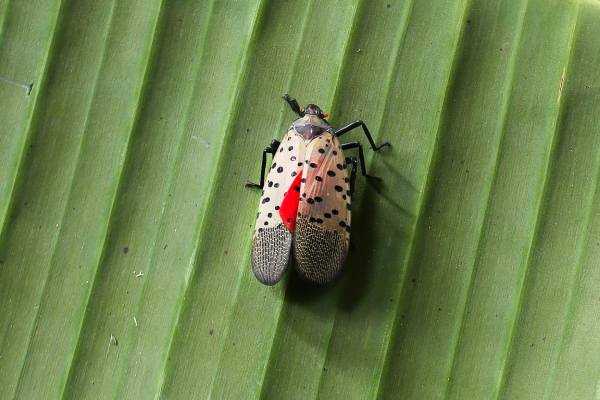
Image via Shutterstock
Ultimately, ARS researchers hope that using biological control agents against both spotted lanternfly and tree of heaven can help reduce spotted lanternfly populations and the threat they pose to grapes.
This story was originally published on the USDA ARS website in September 2026.
*All images are referential via Shutterstock.
Related stories
Chemical ecology opens new alternatives to control native insects in organic blueberries
USDA to harness lady beetles' pest control capabilities in Hawaii