



EU apple production forecast falls to second-lowest level in a decade
 Add Fresh Fruit Portal to Google
The European Union's 2026/27 apple crop is now forecast at approximately 10.4 million short tons, down 17 percent from the previous season. The output marks the second-lowest harvest in the past decade, according to a November 24 release by the World Apple and Pear Association (WAPA).
The estimate is down by approximately 151,000 short tons from the association’s August forecast, reflecting reduced production expectations in Germany, France, Spain, Belgium and the Netherlands.
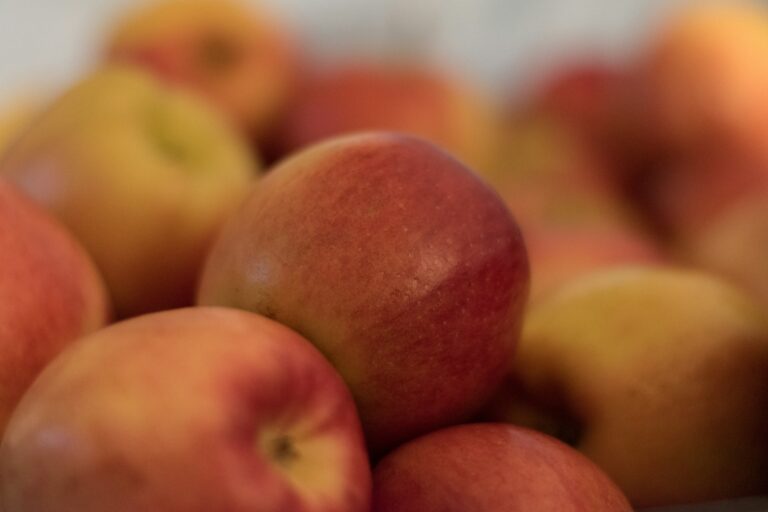
Photo by Albert Stoynov via Unsplash.
The downward revisions were partially offset by an upward adjustment in Poland, where production is now projected at approximately 3.1 million short tons. Italy's forecast remains relatively stable at approximately 2.5 million short tons.
Extreme weather weighs on production
The 2026/27 season has seen a succession of extreme weather events across Europe's major apple-producing regions. Severe frosts affected the Baltic region and Eastern Europe, while heavy rainfall and flooding hit the Iberian Peninsula. An unusually warm start to spring advanced flowering by one to two weeks, leaving orchards vulnerable to freezing temperatures in April.
Subsequent heat waves and drought between May and August further affected yields, fruit size, quality and storage potential.
The Jonagold variety group experienced some of the steepest declines, with production falling approximately one-third compared with the previous season. Golden Delicious and Gala remain the European Union's leading varieties, despite recording production decreases of approximately 12 percent, according to WAPA.
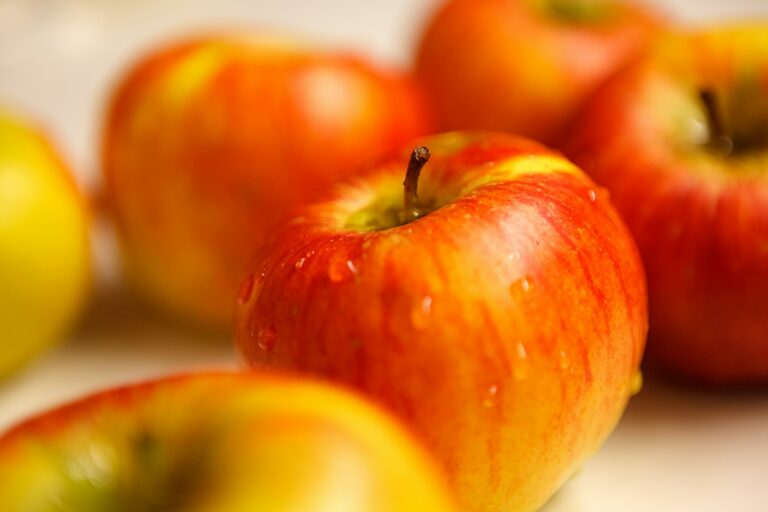
Photo by Michael Singer via Unsplash.
The association noted that some club varieties and newer cultivars demonstrated greater resilience under the challenging weather conditions.
Germany and France account for the largest downward forecast adjustments. In France, the production outlook stands approximately 29 percent below the country's average for the previous three years.
WAPA also highlighted hail damage, sunburn, water stress, pest pressure, and smaller fruit sizes as factors reducing the volume of marketable apples available for the fresh market and limiting storage potential.
Prices and trade face continued pressure
Apple prices remain under pressure as inventories from the previous season compete with newly harvested fruit. A larger share of production is also being directed toward processing, according to the report.
Compared with September 2025, calculated apple prices declined in Poland, Germany and Italy.
International trade figures also point to a more challenging market. Through October 25, EU apple exports reached approximately 198,000 short tons, down 16 percent from the same period last year.
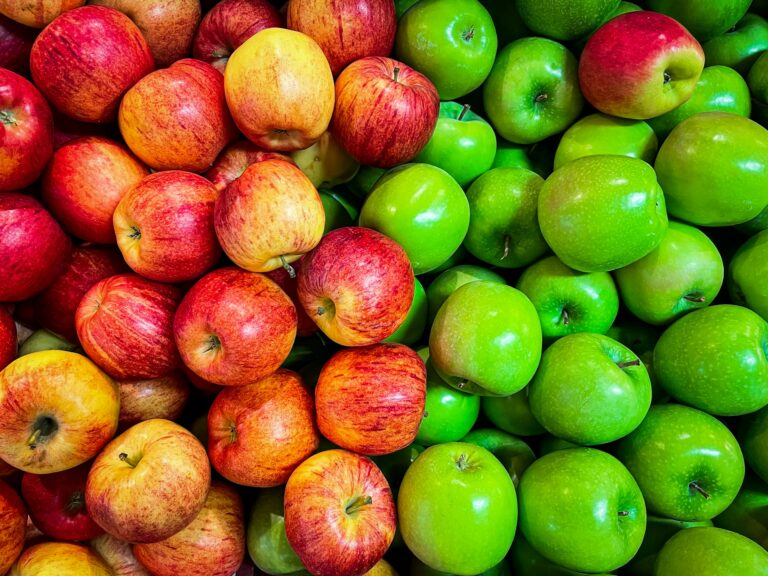
Photo by James Yarema via Unsplash.
Italy and Poland remain the bloc's leading exporters, while Egypt, Saudi Arabia and Colombia recorded relatively favorable performance as destination markets.
Meanwhile, European Union apple imports from Southern Hemisphere suppliers totaled approximately 129,000 short tons, representing a 32 percent year-on-year decline.
As of November 1, apple inventories across eight reporting countries stood at approximately 3.26 million short tons, down 15 percent from the same date in 2025. Germany and France recorded particularly significant stock reductions.
WAPA said lower inventories could support the market as the season progresses. However, the association cautioned that the balance between supply, fruit quality, and demand will remain a key factor shaping the European apple market.
*Main photo by Carmen Nie via Unsplash.
Related stories
European apple production down 16 percent, WAPA says
WAPA forecast: EU Apple and pear production holds steady amid market uncertainty