








U.S. agriculture feels ‘brunt’ of extended trade dispute amid new tariff extension
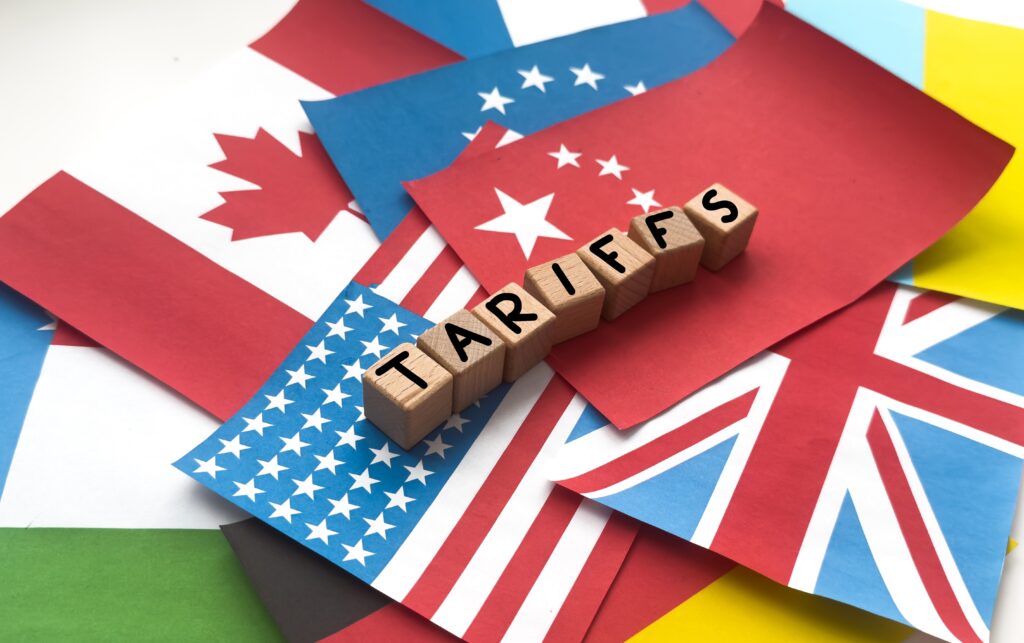



The tariff saga continues. U.S. President Donald Trump announced he's extending the current trade impasse between the U.S. and China until November 10. The decision sets a 90-day reprieve before a 30 percent levy against Chinese imports into the U.S. goes into effect. The executive order also pushes the deadline for a 10 percent levy on U.S. exports to China.


Through a press release, the White House stated the pause will "facilitate ongoing and productive discussion with China" so that the administration can continue to work out the "lack of trade reciprocity" between the countries. The document cited a trade deficit of $295.4 billion in 2024, labeling it the largest with any trading partner.
The Trump administration acknowledged that the Asian country has taken "significant steps toward remedying nonreciprocal trade arrangements and addressing the concerns of the United States."
The tariff woes of the agricultural industry
Ever since what President Trump calls Liberation Day, the U.S. agricultural industry has been feeling the brunt of the world's two largest economies' trade disputes.
As a response to Trump's earlier 20 percent increase on Chinese imports back in May, the Asian giant announced a tariff between 10 and 15 percent on a range of U.S. farm products. The levy targeted some of America's major exports, including fruit, sorghum, beef, vegetables, soybeans, dairy, and grains. A month ago, China suspended Section 301 tariff exclusion on U.S. agricultural product imports. This time, the industries affected included grains, tree nuts, alcohol, and fruits.
During an interview with Fox Business, Treasury Secretary Scott Bessent said that a major step in negotiations with China would be to revisit the country's failure to increase purchases of American-manufactured and agricultural products and services by $200 billion annually over two years, Reuters reported.
This feels like déjà vu for several U.S. agricultural industries, such as California nuts, which have experienced nearly $800 million in losses as a result of this contentious trade spat.
Things are already headed that way. According to the U.S. Foreign Agricultural Service, in the first six months of the year, U.S. agricultural exports to China were slashed in half from $11 billion to slightly over $5 billion. U.S. imports of Chinese goods in June were also cut nearly in half during the same period.
Related stories
"We'll just raise prices": Latin American agro industry reacts to U.S. tariffs
Trade war keeps heating up: U.S. sets new tariffs on more than 40 countries overnight










Subscribe to our newsletter