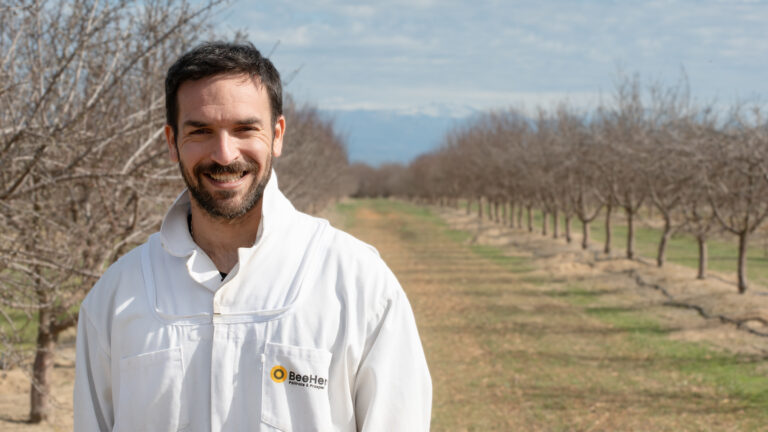
BeeHero's Yuval Regev: "Even the best beekeepers can benefit from a data-driven approach"

 Add Fresh Fruit Portal to Google
I'm sure you've heard this before, but bees are critical to U.S. agriculture. These tiny racehorses pollinate over 130 types of crops every year, helping produce $15 billion worth of fruits, nuts, and vegetables. As if that were not enough, they also produce $3.2 million worth of honey annually. Talk about a sweet gig.
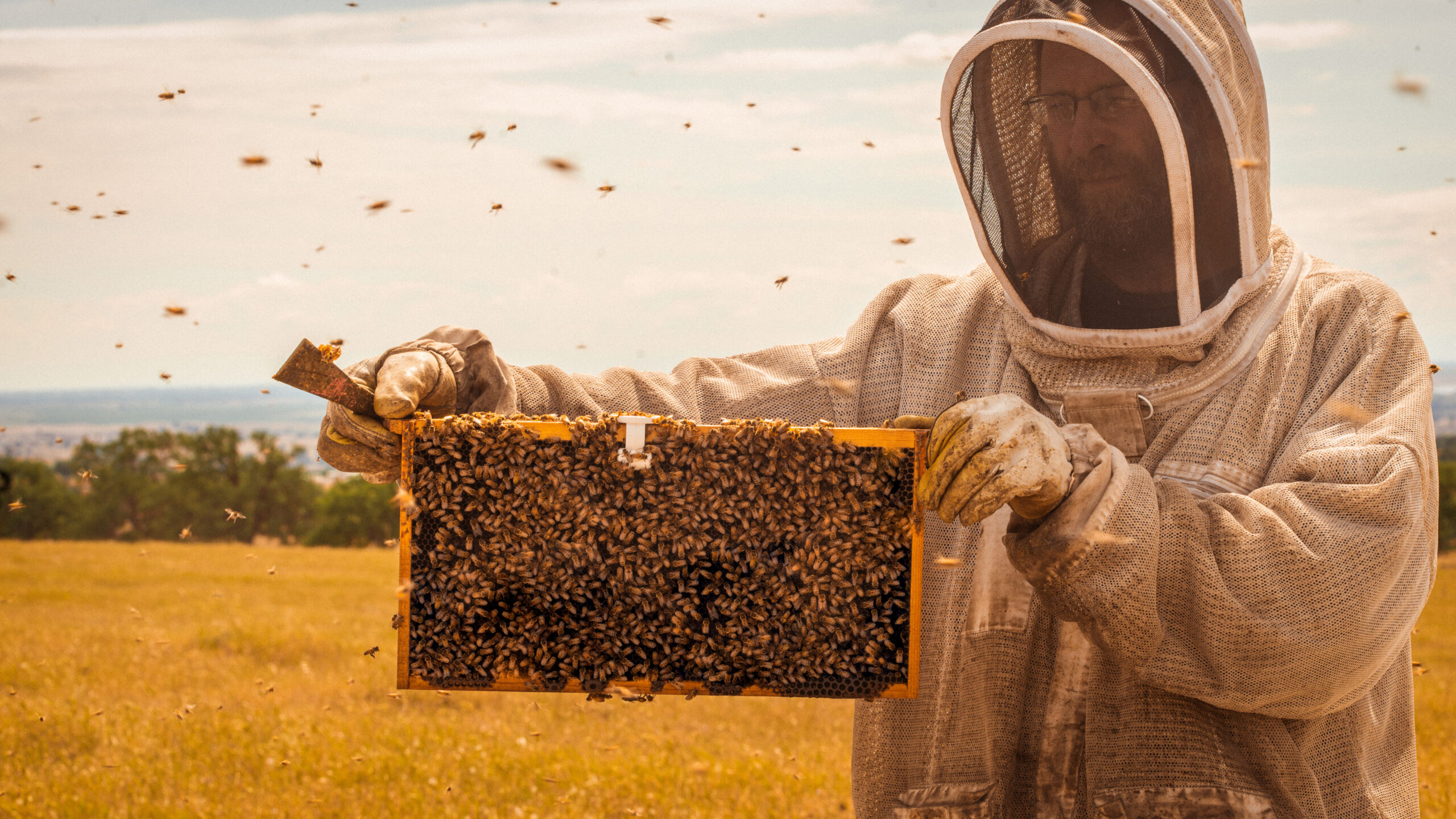
Bees know what they're doing—they've been doing it for thousands of years. But these insects are especially susceptible to diseases, which can complicate matters for producers, as they rely on these little buzzers to get fruit growing. Precision pollination service company BeeHero aims to make things easier for farmers and beekeepers by providing accurate, real-time AI analytics data through their in-field sensors.
The company's CTO and Co-founder, Yuval Regev, told FreshFruitPortal.com its data is powered by over 350,000 hives and 25 million daily data points. This, he says, provides beekeepers and growers the information they need to keep colonies healthy, use resources more efficiently, and get a higher crop yield.
What does precision pollination mean?
Precision pollination means using data, which we generate with our sensors and AI, to actively measure, monitor, and optimize every stage of the pollination process—rather than leaving it to chance.
What does BeeHero do in this regard?
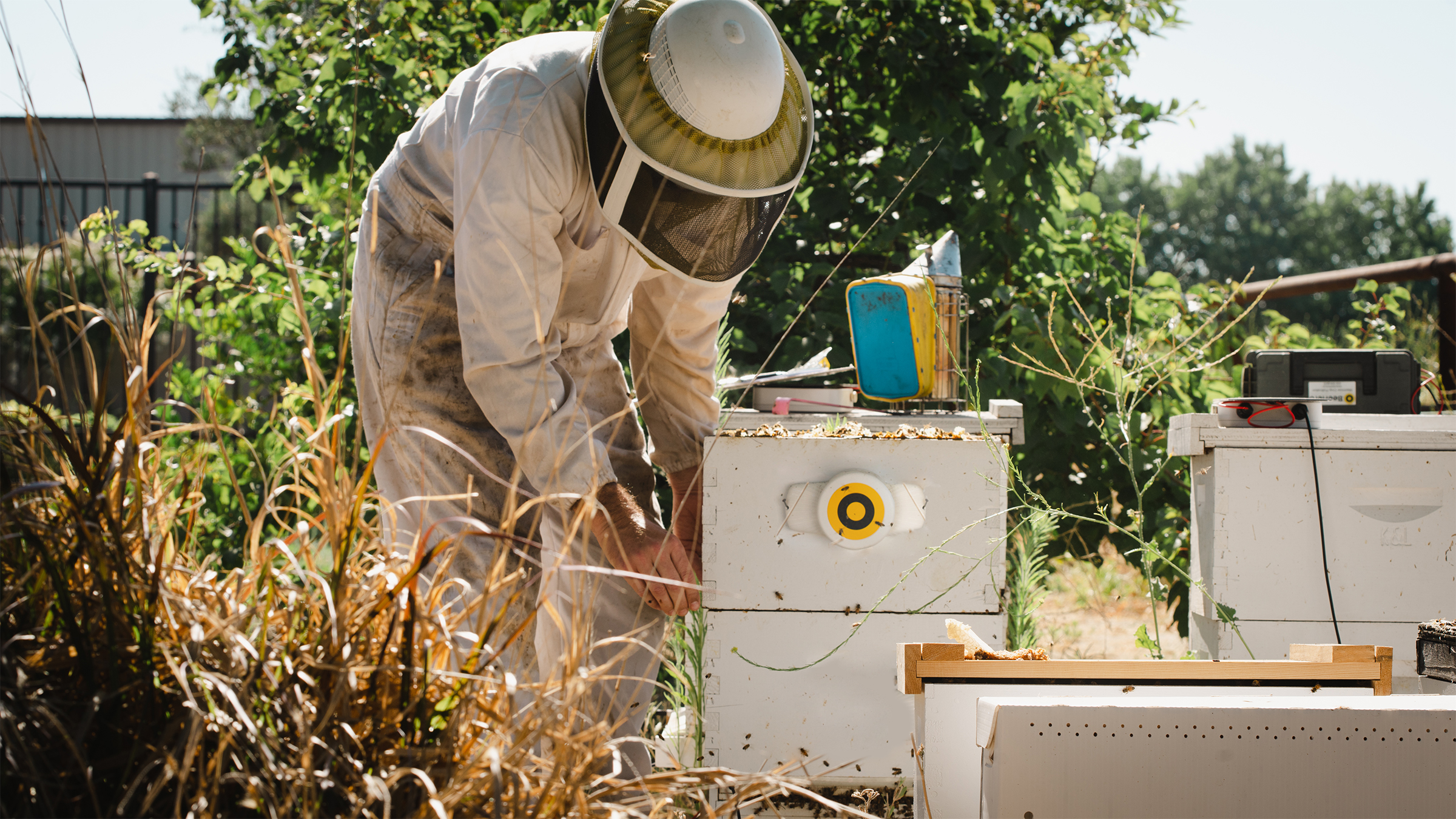
Our platform offers two core solutions. First, we have in-hive sensors that continuously monitor bee health and activity. This helps beekeepers improve colony welfare. Then we have in-field sensors that track pollinator activity in fields and orchards at the crop level. These enable growers to pinpoint optimal foraging windows, ideal hive placement and density, and build predictive models to maximize yield and pollination success.
Instead of simply placing hives in fields, doing manual checks, and hoping for the best pollination, BeeHero enables beekeepers and growers to make targeted, data-informed decisions that improve yields, strengthen bee health, and make pollination more efficient and sustainable.
What are some of the main states and produce industries that BeeHero is currently partnering with?
BeeHero’s U.S. operations began in California with almonds and have since expanded into other pollination-dependent crops, such as blueberries, apples, onions, carrots, and seed crops. We now operate across the country, working with growers in both specialty and row crop markets.
BeeHero currently operates on five continents and seeks to deepen its presence in key markets and crops in the U.S., Europe, Australia, and Latin America, where crops like berries and avocados face significant pollination challenges.
How important do you think the product is to increase pollination in the United States?
It’s critical. U.S. agriculture faces both a pollination deficit and rising bee mortality. This past season, U.S. beekeepers saw mortality rates of nearly 70 percent. BeeHero-managed hives sustained an approximately 30 percent loss rate. This proves that technology-driven monitoring and management can significantly improve colony survival rates.
How does keeping up with your bee hives and collecting data help pollination?
Continuous hive monitoring gives beekeepers real-time insight into colony strength, brood health, and activity patterns—all of which directly affect pollination performance. Healthier, stronger colonies pollinate more efficiently, which boosts both crop yield and quality.
What is the impact on bees?
BeeHero’s sensors and AI models track key hive health indicators, such as temperature, humidity, and acoustic patterns, to detect early signs of problems like queen loss, brood stress, pesticide exposure, and more.
By spotting issues early, like declining hive strength or stress from environmental conditions, beekeepers can intervene before it impacts the bees’ ability to forage. The insights we provide also help beekeepers avoid overstocking or deploying weak hives, minimizing unnecessary stress on the bees and improving overall welfare.
What are some of your favorite BeeHero features?
Two of our recent groundbreaking advancements are the Pollination Insight Platform (PIP) and HeroLink.
PIP is a full in-field sensing and analytics platform that measures pollinator activity. It combines real-time, high-resolution heat maps with advanced pollinator identification, microclimate monitoring, and predictive modeling. It gives growers detailed information about the best foraging times and optimal hive placement, as well as the ratio of bee visits to male and female rows in seed production.
HeroLink is the backbone connectivity gateway that ensures all of BeeHero’s sensors can function at full scale, even in the most remote or low-connectivity regions. Solar-powered and rechargeable, it aggregates in-field and in-hive data, transmits it in real time to BeeHero’s AI platform, and dramatically reduces infrastructure costs and environmental impact.
Why is this information necessary to keep a healthy beehive?
Bee colonies can decline quickly if issues go unnoticed, threatening both the livelihood of the beekeeper and the pollination force for the grower. Manual hive inspections, which are the traditional method of bee health checks, require opening up the hives, which cannot be done frequently at scale and is disruptive to the hive’s delicate ecosystem. So, it must be done as infrequently as possible. We’re able to provide ongoing and real-time information that acts as an early warning system.
Are you seeing an increase in beekeepers turning to BeeHero?
We are indeed seeing an increase in beekeepers signing on to work with BeeHero over time, especially as the realities of the recent bee colony loss sink in. Even the best beekeepers can benefit from increased visibility into their hives and from a data-driven approach, without disrupting their bees, and without replacing their jobs as beekeepers.
What are some major issues the company is looking to address in the United States?
We’re tackling high winter mortality rates of up to 70 percent, pollination inefficiency, and the lack of transparency between growers and beekeepers. We’re also addressing connectivity challenges in rural agricultural regions through solutions like HeroLink.
What do you expect to be the main challenges and opportunities for the pollination industry over the next couple of years?
The pollination industry will face significant challenges, including persistently high bee mortality rates, the disruptive effects of climate and weather unpredictability on bloom timing, and ongoing risks from pesticide exposure. At the same time, there are major opportunities: the wider adoption of data-driven pollination practices, deeper integration and collaboration between beekeepers and growers, and potential policy incentives that encourage sustainable agricultural practices.
Together, these developments could reshape pollination into a more efficient, resilient, and environmentally responsible process.
Any favorite type of honey?
My personal favorite honey comes from the Kanot Apiary, where our co-founder and CGO Itai Kanot grew up learning beekeeping from his father. They recently finished harvesting honey that was produced near citrus groves, and the taste is divine.
Related stories
Crop pollination may be helped through strawberry flowering, study finds
Wild bees play a vital role in Georgia’s blueberry industry
Almonds: scientists study genetics of significant spring pollinator