


Syngenta Group's H1/Q2 2025 financial report shows smooth sailing and steady sales
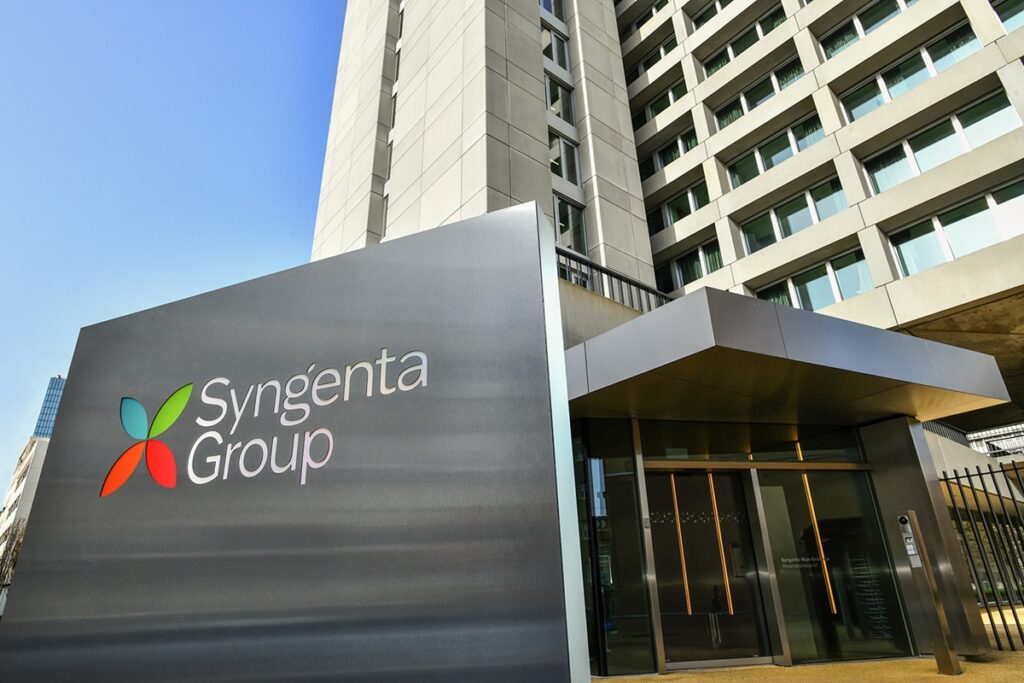



Through a press release, agricultural innovation company Syngenta Group announced its financial results for the first half and the second quarter of the year, ending June 30.


Sales for H1 2025 totaled $14.5 billion, representing a 2 percent year-over-year increase at constant exchange rates (CER). EBITDA for the same period was $2.5 billion, 24 percent higher than in 2024.
Sales for the Q2 2025 were $7.2 billion, flat versus the prior year, with only a one percent variability at CER. The report indicated that all of Syngenta's business units were negatively impacted by currency in the first six months of the year. EBITDA for Q2 2025 was 32 percent higher than the prior year at $1.1 billion. The company expects further market stabilization in crop protection and a lower 2024 baseline, resulting in stable sales and margins for H2.
Steady growth for Syngenta's crop protection
Sales for Syngenta Crop Protection in H1 were three percent higher at $6.4 billion, while the business continued its momentum from Q1 with sales above last year for Q2.
In the first half of 2025, Biologicals and a return to normal stock levels drove sales performance in Europe (up five percent), while favorable pricing for new product introductions and higher volumes contributed to a nine percent growth in Asia, the Middle East & Africa (excluding China).
China continued to perform strongly, achieving nine percent year-on-year growth in H1, with increases across all blockbuster technologies and biologicals. In the first six months, sales in North America were 10 percent higher, mainly driven by a change in sales phasing closer to consumption, with flat sales in Q2. Meanwhile, sales declined across both Latin America and Brazil, by 14 percent and five percent, respectively.
You can read Syngenta Group's full financial report here.
Related stories
Fresh Del Monte's 2025 first quarter earnings
Dole Q2 net income falls 80% while revenue goes up 14%
Hapag-Lloyd reports transport volume increase despite market volatility





Subscribe to our newsletter