Sizing up California Navels: Quality remains key as crop faces market shifts
 Add Fresh Fruit Portal to Google
The California Navel orange industry is preparing for an average-sized crop with improved fruit sizing, Casey Creamer, President and CEO of California Citrus Mutual, tells FreshFruitPortal.com. However, pest pressures and shifting market dynamics could temper enthusiasm.
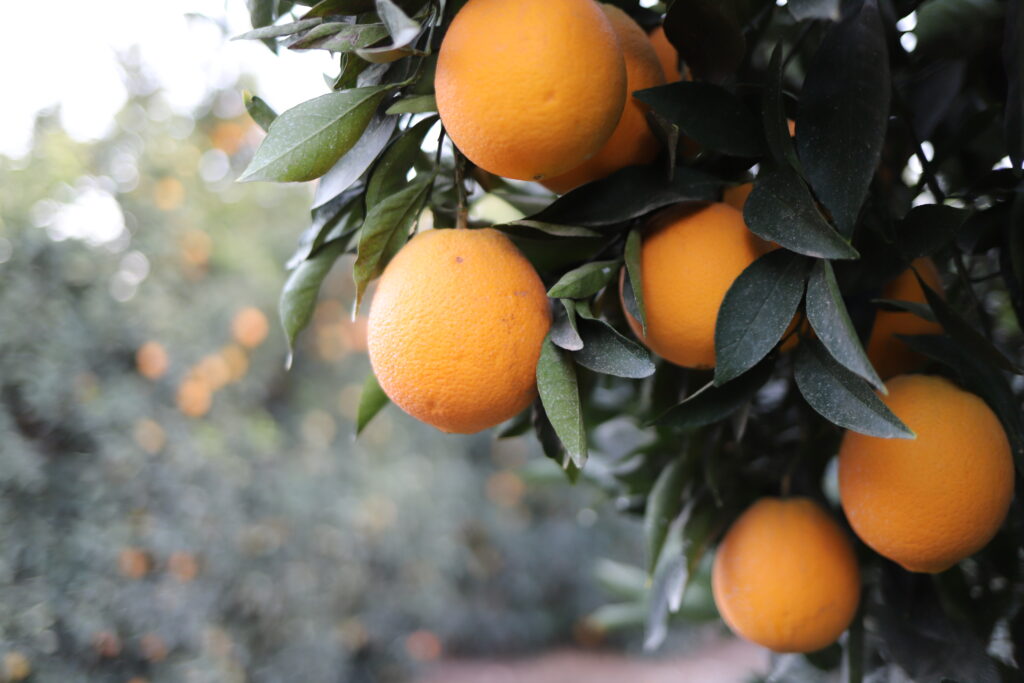
“We actually have a more optimal size this year,” Creamer says. “Fruit count is down, but the size is a little bit bigger. We actually think that's a really good marketing window for us.”
A recent California Department of Food and Agriculture (CDFA) report projects an approximate 6 percent increase in Navel orange production, estimating 80 million boxes, up from 78 million in 2024. But Creamer advises a cautious interpretation of the numbers.
“Last year, they estimated 78 million, and this report is estimating 80 million. It’s really close to what they estimated last year,” he says. “You’ve got a lot more nuance within that — early season varieties, mid-season, late season — so there’s a whole lot of factors that play into it that the industry is evaluating.”
Pest pressures and market dynamics
Creamer highlights ongoing pest challenges, which have increased compared to last year but remain below the severe levels seen previously.
“We do have more thrips damage than we had last year. Not like we had a couple of years ago, but we have thrips damage and we're seeing a little bit more mealybug out there,” he explains. These pest pressures are expected to reduce overall yield somewhat, possibly bringing total production below CDFA projections.
Additionally, market composition has shifted in recent years. Traditionally, citrus exports accounted for roughly 30 percent of shipments, but since 2017–18, the export share has dropped to about 20 percent, with 80 percent remaining in the domestic market.
“China has been down and a few others. So we've had to rely more on the domestic market,” Creamer says. He also notes that citrus imports have risen 414 percent since 2000, adding further pressure on growers’ profitability.
Nearly all California Navels are sold fresh. Juice production remains a minor segment due to high production costs and lower juice prices. Fruit that does not meet fresh market grades often moves to juice, Creamer explains.
Prioritizing quality over quantity
Creamer emphasizes that maintaining fruit quality remains critical despite environmental uncertainties and yield pressures. “Quality has to be our number one priority. If we're not producing the highest quality citrus that we possibly can, we lose market share,” he says. “We’re in a high-cost environment here in California. We can’t survive on low-quality products.”
As for the recent lifting of retaliatory tariffs by Canada, a long-standing trading partner, Creamer says it’s a “great sign for an improved export market.”
The California Citrus Mutual is actively engaged in supporting growers through ongoing challenges. Creamer describes a solid foundation of relationships with growers, industry stakeholders, government officials, and media, which facilitates timely advocacy and response to emerging issues.
“Foundations like that are examples of having the infrastructure in place to deal with whatever challenge comes our way, because we know it’s not whether the challenges will come, it’s when they will come,” he says.
*Featured photo courtesy of the California Citrus Mutual.
Related stories:
California Citrus Mutual CEO: "Average pricing simply does not work for California producers"
Sunkist Growers unveils new merchandising to gear up for California citrus season