








Container Port Performance Index: Key ports in developing nations are on the rise
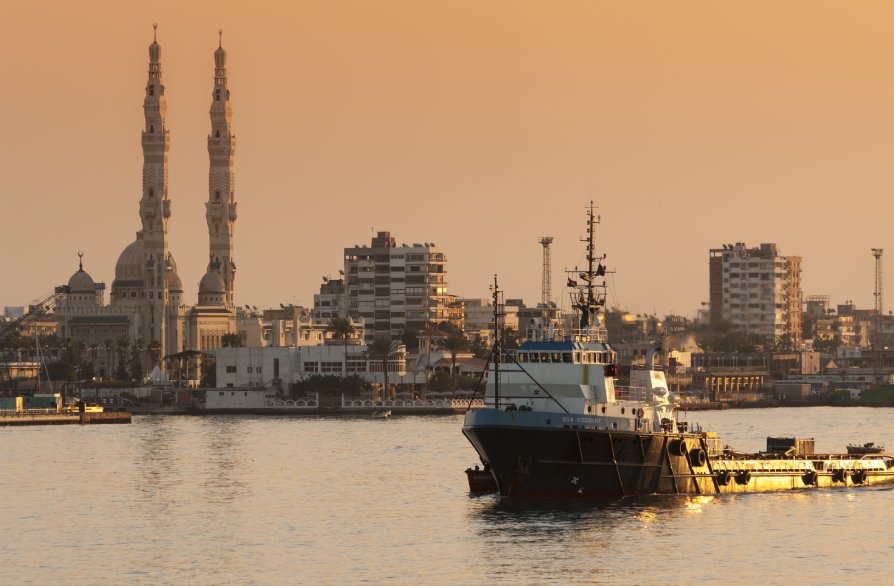



Select ports in lower and middle-income countries are showing remarkable improvements in their Container Port Performance Index (CPPI), according to a report by the World Bank Group and S&P Global Market Intelligence. The analysis highlights ongoing efforts to boost efficiency in the global supply chain.


CPPI is measured by calculating the total time container ships spend in port, from their arrival until they depart from the berth after completing cargo operations. As of 2024, the top-ranking ports are China’s Yangshan and Fuzhou (with a CPPI of 146.3 and 139.2, respectively), and Port Said, in Egypt (137.4)
Dakar leads sub-Saharan growth
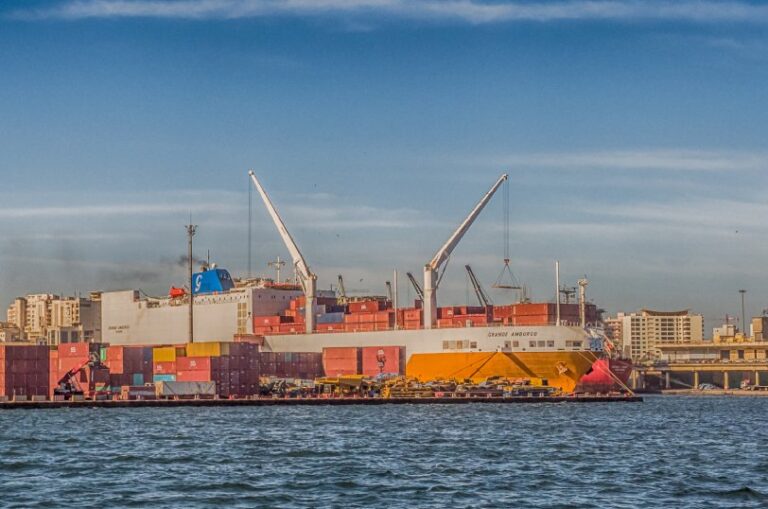
The Port of Dakar, Senegal, achieves the most significant CPPI improvement in sub-Saharan Africa, jumping from -82 in 2023 to 23 in 2024. The rise placed Dakar as the highest-ranked port in the region last year.
Operated by DP World since 2008, the port has benefited from major investments in infrastructure, as well as a port community system featuring a digital platform that connects public and private stakeholders. This includes customs, port authorities, shipping lines, and logistics providers.
Dakar’s performance gains were also driven by enhanced hinterland connectivity, including upgraded road links, ongoing rail rehabilitation toward Mali, and a streamlined single-window customs system that reduced dwell times.
Additionally, increased liner shipping connectivity now provides direct services from Asia, according to the report.
Jawaharlal Nehru continues upward trajectory
India’s Jawaharlal Nehru port has shown a steady upward trend, with its CPPI rising from 66 in 2020 to 100 in 2024. The port’s improvements are attributed to expanded terminal capacity and process reforms that effectively reduced turnaround and dwell times.
The Bharat Mumbai Container Terminals Pvt. Ltd., a subsidiary of international port operator PSA, now features a deep-water berth of approximately 54 feet and a 3,300-foot quay supported by modern equipment.
This infrastructural upgrade led to increased productivity at the port of entry. A higher number of moves per hour, along with optimized truck and rail processes, has also contributed to the port’s enhanced performance.
Port Said gains recognition
Egypt’s Port Said has also experienced significant growth, now ranking 3rd overall and first among container ports within the Middle East and North Africa region. Broader improvements in Egypt’s trade logistics, including the reduction of port calls during the Red Sea crisis, have supported this progress.
A major expansion of the Suez Canal Container Terminal is underway, aiming to increase capacity by 2.1 million TEU, bringing the total to 6.6 million TEU. Port operators, including a consortium led by APM Terminals and Cosco, have adopted digital systems to optimize vessel scheduling and reduce port stay times.
Posorja sets Latin American performance standards
Ecuador’s Posorja port has shown consistent growth, with CPPI values rising from 34 in 2020 to 107 in 2024. It now boasts the highest CPPI in Latin America and the Caribbean, bolstered by ongoing investment in infrastructure.
The port, operated under a 50-year public-private partnership, features a 52-foot channel, a 13-mile access road, and super post-Panamax cranes supporting large vessel operations.
Port operator DP World is expanding its berth to 765 yards and increasing crane capacity, facilitating multiple simultaneous vessel operations. Its proximity to the Ecuadorian city of Guayaquil and the adjoining logistics zone supports value-added services, further strengthening its regional role.
Related stories
Georgia Ports celebrates 80 years highlighting expansion in operations
Savannah was the fastest-growing port on the U.S. East Coast in 2024
Georgia Ports state economic impact jumps 7 percent in 2024









Subscribe to our newsletter