








Peru's table grape exports soar to $1.9 billion, dominating global market
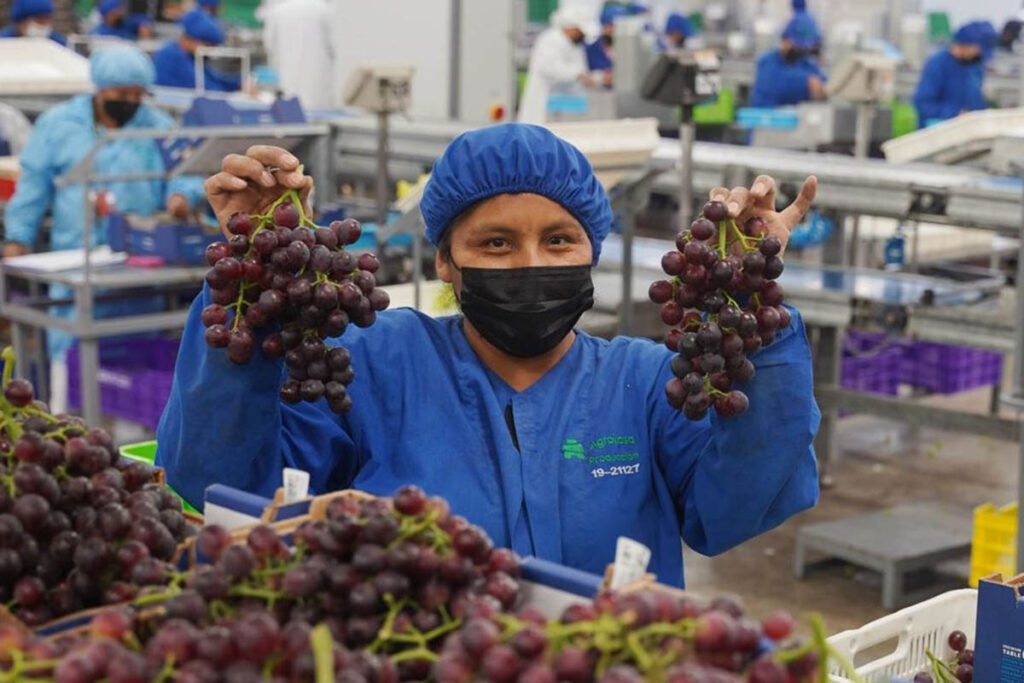



The Peruvian Ministry of Agrarian Development and Irrigation (MIDAGRI) reported that by the end of this year, table grape exports will exceed $1.9 billion, ranking the country as the world’s main producer and exporter of the fruit.


The government agency indicated that for 2025, an exported volume of 760 thousand tons is projected, with an estimated average price of $3.27/kg by December. The estimate is based on the performance of the first shipments of the season.
According to sector data, Peruvian fresh grape production increased from 597.9 thousand tons in 2015 to a preliminary estimate of 1.09 million tons in 2025. This growth represents an accumulated increase of 82.5 percent.
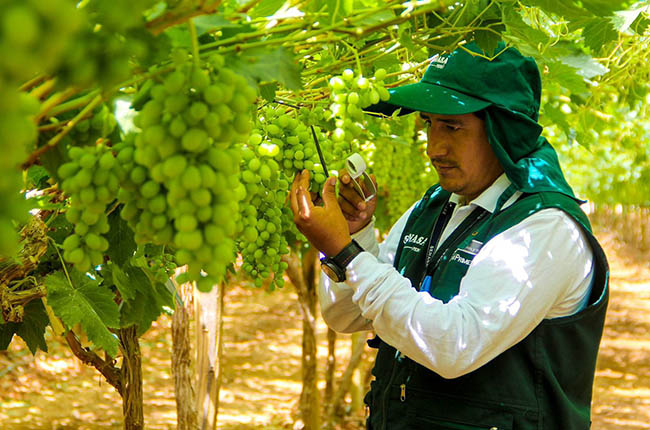
These numbers reflect Peru’s consolidation in international markets, which has been driven by varietal diversity, quality, and adaptability to logistical and commercial demands. These efforts have complemented with the free trade agreements signed by Peru with various countries and trade blocs.
Leadership of Peruvian table grapes
Peru has more than 40 table grape varieties, including Sweet Globe, Crimson Seedless, and Arra 15. These brands have received wide acceptance in key markets such as the US, China, Mexico, the UK, South Korea, and the EU, among others.
In addition to seasonality, Peruvian grapes enjoy the distinctive advantage of featuring mostly seedless varieties, which account for 75 percent of the Andean country’s offerings.
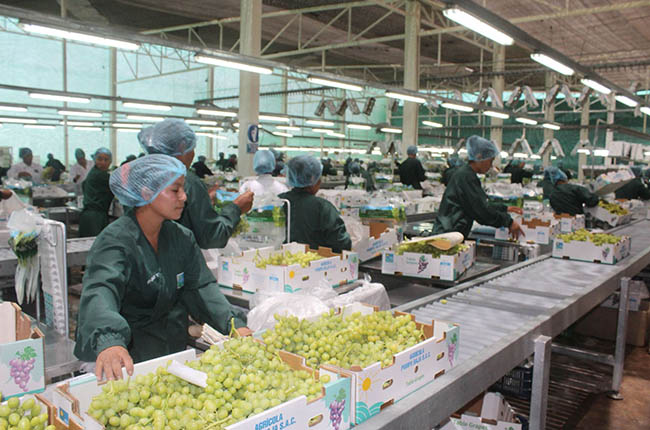
This is especially important for Peru, which faces strong competition from major market players with advanced production systems, such as Chile, South Africa, the US, and China.
However, Peru has differentiated itself through its agility in adapting to new varietal preferences and in offering excellent-quality fruit during key periods of seasonal demand, thereby consolidating its competitive advantage.
Peruvian table grape markets
MIDAGRI indicated that the main destination markets for the fruit remain the US, with a 35 percent share, followed by the Netherlands with 15 percent, and Mexico in third place with 10 percent. China is not far behind, with an eight percent market share, followed by the UK (six percent), and Canada (five percent).
This list might change in the future as Peru continues to experience sustained growth and to unlock market access in Southeast Asian and Middle Eastern countries.
The industry values the logistical development that came with the port of Chancay. The point of entry offers a direct route to Asia and the possibility of shipping fruit on larger capacity vessels. This results in reduced transit times and freight costs to key to China, Taiwan, Japan, and South Korea, as well as promoting efficiency and fluidity of the logistics chain.
*All images courtesy of MIDAGRI
Related stories
The secret behind Peruvian table grapes' rise to the top of the global market
As Peru gets crowned as the world leading table grape exporter, China emerges as major threat










Subscribe to our newsletter