

Maersk invests $100M+ in South Africa's critical cold chain, boosting perishable exports
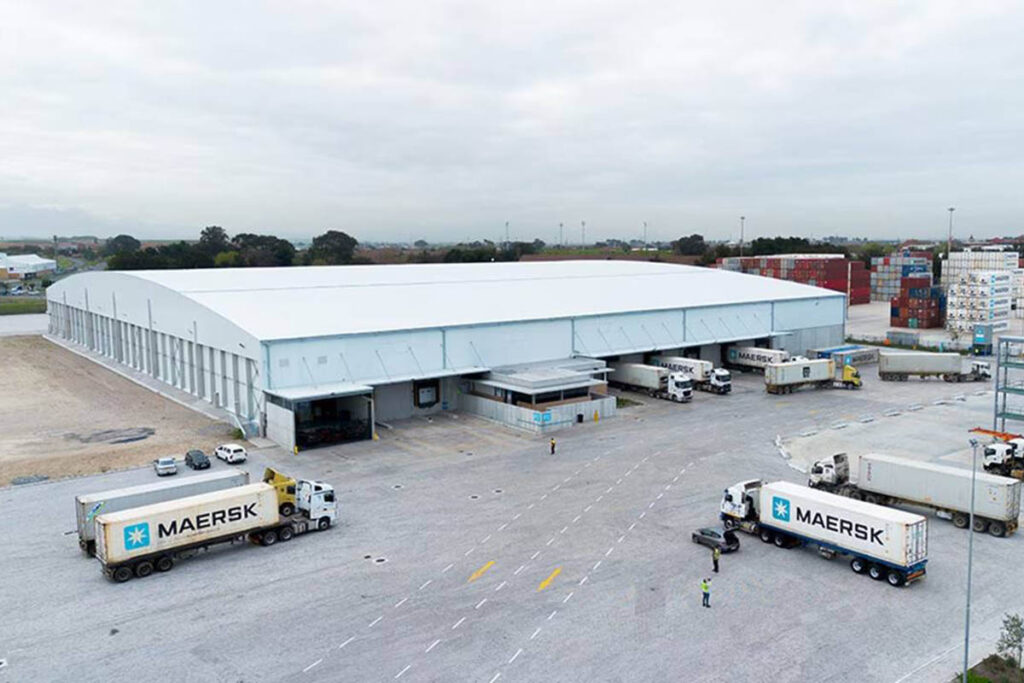



Global logistics giant Maersk inaugurated the Belcon Cold Store facility in Cape Town. This marks a significant milestone in the company's investment of over $100 million in the country's cold chain infrastructure.


The opening represents Maersk's continued focus on strengthening South Africa's critical cold chain logistics network, which is essential for the local perishable exports sector, which is dominated by fresh fruit, particularly citrus and table grapes.
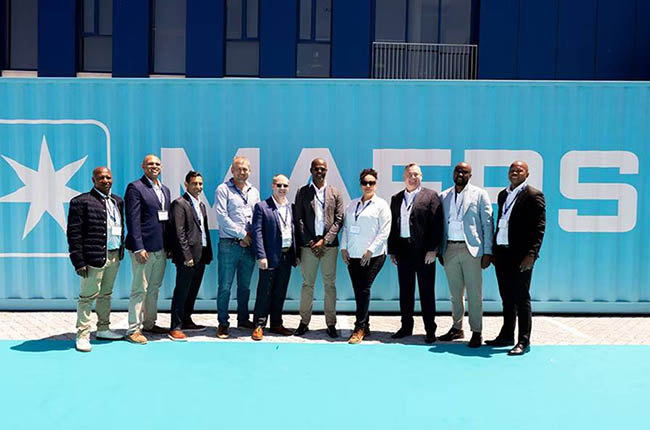
"Maersk has been invested and present in South Africa for over three decades, and our ambition has never been stronger," said Lubabalo Mtya, Managing Director of Maersk Southern Africa & Islands. "We are committed to building and delivering logistics solutions, while contributing to South Africa's economic prosperity and the livelihoods of its people."
Supporting the South African fresh produce industry
The South African grape industry has faced significant challenges, with delays and broken cold chains in logistics resulting in annual costs of over $85.7 million.
The country's cold-chain logistics market has experienced inconsistent performance, resulting in substantial losses for exporters of temperature-sensitive products.
"There was a clear need to strengthen South Africa's cold chain infrastructure to minimize these losses and support the competitiveness of local exporters," says Mtya. "The Belcon Cold Store directly addresses this critical gap in the market."
Maersk's world-class South African facilities
With the inauguration of Belcon, Maersk now operates three world-class cold storage facilities in South Africa, including Cato and PreCool.
Together, these facilities form a comprehensive network featuring 32,000 pallet positions and strategic proximity to the ports of Cape Town and Durban. Through this infrastructure, the company also has access to rail sidings, highway connections for seamless multimodal transport, an on-site container depot for efficient cargo handling, and renewable energy systems.
The three facilities have already ramped up operations during the second half of 2025, and the company says they've delivered positive impacts to customers during the critical citrus season. This ensures product quality and reduces waste in the supply chain.
*All images courtesy of Maersk





Subscribe to our newsletter