








Edeka's bet on Iberian supply: Why California almond producers remain unfazed in the European market
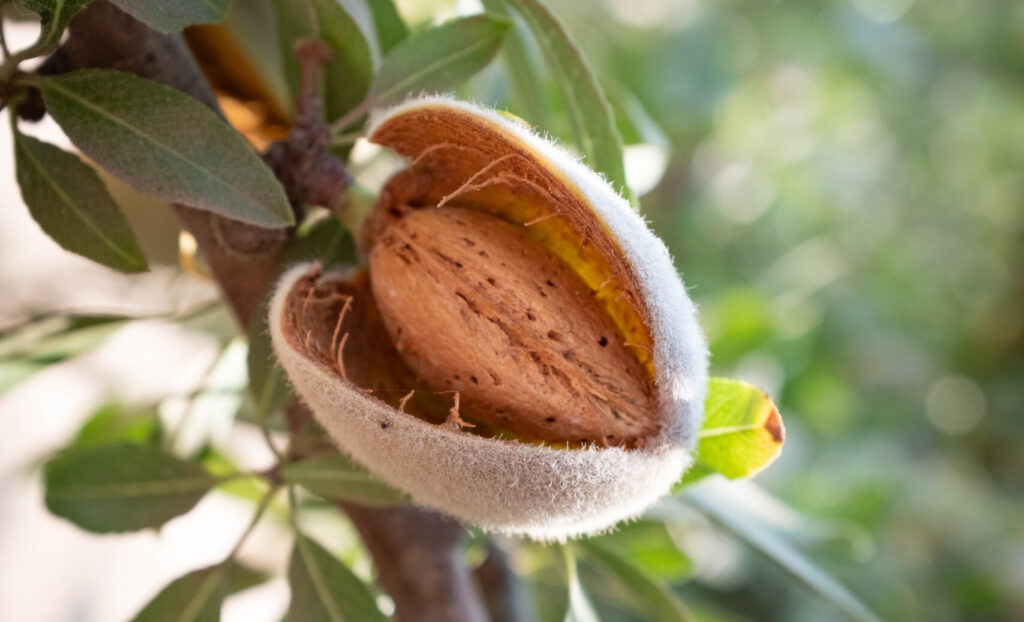



Last month, Germany’s largest grocery chain, Edeka, announced that it would start diversifying its supply, moving away from California almonds to incorporate more Iberian-grown nuts into select private-label lines.


This could have been a direct hit to California producers, the retailer’s largest almond supplier. But growers in the Golden State aren’t feeling the pinch as US supplies continue to dominate the shelves, with 80 percent of the world’s supply.
According to the Almond Board of California (ABC), the German grocer’s move is more a reflection of consumer curiosity rather than a market shift. “Many retailers offer different origin products. This is one small private label line within the large Edeka portfolio, [and they continue] to use California almonds in the majority of its product lines,” an ABC spokesperson tells FreshFruitPortal.com.
The board states that California almonds continue to be “an important supplier to the European nut processing sector, contributing to the local economy and creating jobs.”
Local sourcing meets global demand
Consumer demand for ‘production within the European Union,’ shorter logistics chains, and sustainability concerns are some of the reasons German retailers cite for testing more regional almond sourcing. While ABC acknowledges these motivations, the entity says European production cannot satisfy the continent’s appetite.
“Local sourcing is an important consumer concern worldwide, but not every commodity is produced at sufficient levels to meet local demand,” ABC states. “In fact, California almonds supply about 65 percent of European almond consumption.”
The board also notes that California suppliers are working closely with European partners to address consumers’ sustainability concerns by improving transport efficiency. For example, they explain that US almonds can ship directly to German ports. This puts the product closer to local processing facilities, eliminating the need to truck it from other European points of entry.
Weighing the carbon footprint of California almonds

With environmental concerns stemming from shipping logistics, ABC cautions that local sourcing is not necessarily a more sustainable option.
“The carbon footprint of a cargo vessel is spread across several commodities and containers,” the board says. “The difference between trucking from Spain or Portugal and ocean shipping to Germany can be negligible in many instances.”
The organization also credits strict US agricultural protocols for ensuring and monitoring best practices, a safety net that they say “does not exist in many countries.” The state of California, the ABC assures, meets and often exceeds industry best practices.
Tariff hurdles will not dampen trade to Europe
Despite the interest in regional sourcing, exports to the EU continue to grow. While the ABC does not engage in commercial decisions within the industry, the board says that “almond shippers and handlers have not indicated any shift away from California almonds in Europe.”
On the regulations front, no new tariffs or trade barriers threaten US almond access to the European market. Quite the contrary, as the sector “generates thousands of jobs” in the region.
“Proposed tariff relief under the US-EU trade agreement framework should actually further incentivize nut trade and should reduce the overall cost to European customers and consumers,” the ABC adds. “In fact, the European industry has expressed its concern to local officials that they have unimpeded access to California almonds.”
Looking ahead, ABC expects the European market to stay consistent. “Trade volume in the past five years to the EU has held steady despite a global pandemic, shipping logistics challenges, inflation, and so on.”
The organization continues to invest in innovation to expand almond consumption and use in Europe, as demand is expected to stay strong due to versatility, longer shelf life, and diverse health benefits.
Related articles:
Rodents, ripeness, and red tape—The California almond season is not exempt of challenges
California almond crop estimated 10% higher for 2025
California's almond industry knows a diverse export market is essential in the face of tariffs





Subscribe to our newsletter