Peruvian avocado conquers the world: Sustainability and small-scale growers fuel the country's rise to the top
 Add Fresh Fruit Portal to Google
Written and reported by Macarena Bravo
Mexico is currently the leading world exporter of Hass avocado. However, the North American country is closely followed by Peru, which has over 200,000 cultivated acres and a network of 30 thousand producers, comprised almost entirely of small-scale producers.
And Peru’s not stopping. The Latin American country’s exports reached 692 thousand tons and 70 international destinations following the recent opening of the Philippine market.
"These are not the result of one year’s effort, but decades of joint work between producers, exporters, the State, and technical cooperation," said Arturo Medina, general manager of ProHass, in a webinar hosted by data broker Fluctuante. “Today, Peruvian avocado is synonymous with quality, sustainability, and competitiveness.”
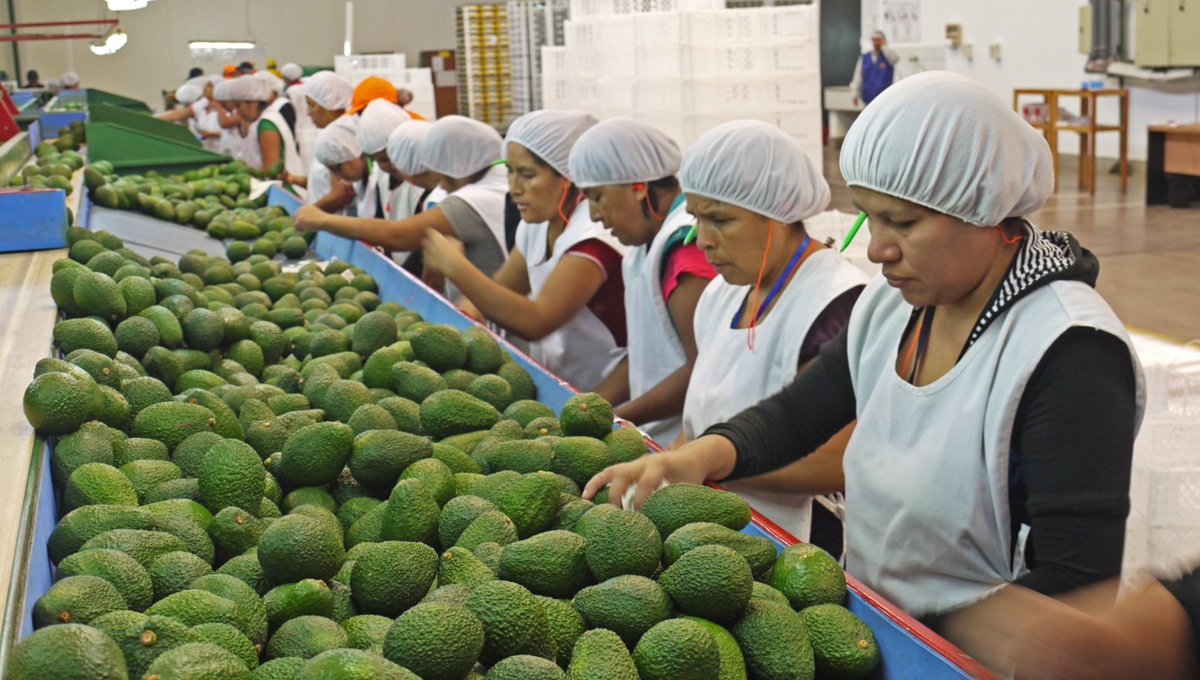
ProHass currently brings together 69 producing and exporting companies, representing the core of the country's agro-export industry.
According to Medina, the organization’s work is not limited to commercial promotion, but also includes technical training, agricultural innovation, the articulation with small producers, and the consolidation of a solid country brand in the international market.
Europe: the leading destination for Peruvian avocado
Medina pointed out that Europe remains the primary market for Peruvian Hass avocados, with a 45 percent share. In 2025 alone, Peru exported 428 thousand tons to the continent, representing more than 40 percent of European consumption.
While Mexico maintains its hegemony in the United States, Peruvian producers have managed to consolidate their business in Europe and Asia, diversifying their destinations and mitigating risks.
During the high season—between June and August—Peru covers up to 75 percent of the avocado volume traded in Europe. The Netherlands remains the primary port of entry, although the fruit is redistributed to other countries, including France, Germany, Italy, Poland, and Russia. Spain also appears as an expanding market, both in consumption and re-export to other European destinations.
"The growth of Peruvian exports to Europe has been 268 percent over the last decade. This shows that the market values the quality of our fruit and the professionalism of Peruvian exporters," he emphasized.
The US—A growing market for Peru
The US market is supplied mainly by Mexican avocados (75 percent of total consumption), followed by production from California. Peru holds the third position.
However, Peruvian exports have shown sustained growth in the US, and despite tariffs and direct competition, in 2025, they increased exports by 54 percent.
"It was a sacrifice to send large volumes to the US market under these conditions, but if we hadn’t, we ran the risk of generating an oversupply in Europe," Medina stated. “Our exporters showed commitment and a long-term vision.”
The strategy aims to maintain Peru's reputation as a reliable and sustainable supplier during the Mexican scarcity window.
Expansion in Asia
The industry recently celebrated the opening of the Philippine market, marking the milestone of Peruvian avocados’ 70th international destination.
Medina emphasized that the sector's focus is on the Asia-Pacific region. China, Japan, and South Korea are already consolidated markets, while Taiwan, Vietnam, Australia, and New Zealand are the next objectives.
"We are very enthusiastic about Asia,” the representative said. “Japan, for example, is a sophisticated market that values quality and presentation. This year we grew 75 percent in exports to that country, with very positive comments about Peruvian fruit."
While recognizing the challenging distances and logistics, Medina assured that the industry is working on post-harvest management, calibration, and cold chain reliability to ensure the fruit arrives in optimal condition.
"If the avocado arrives well, the consumer will repeat the purchase, and the country gains prestige," he concluded.
Growth projections for Peru's green gold
The Peruvian avocado industry aims to expand into regional markets, including Chile, Argentina, and Canada.
Medina emphasized that Chile's per capita avocado consumption is one of the highest in the world, reaching 8.6 kilograms per person per year.
"For Peru, Chile is what the United States represents for Mexico: a mature, close market with high product knowledge," he explained.
Argentina is not falling behind, and Medina labeled the market as a promising destination: "The Argentine consumer is accustomed to small sizes, but if we invest in promotion, we can introduce medium and large fruit, increasing profitability."
Canada and Costa Rica have registered significant increases in the import of Peruvian avocado, said the executive, reinforcing commercial diversification.
Vision for the future
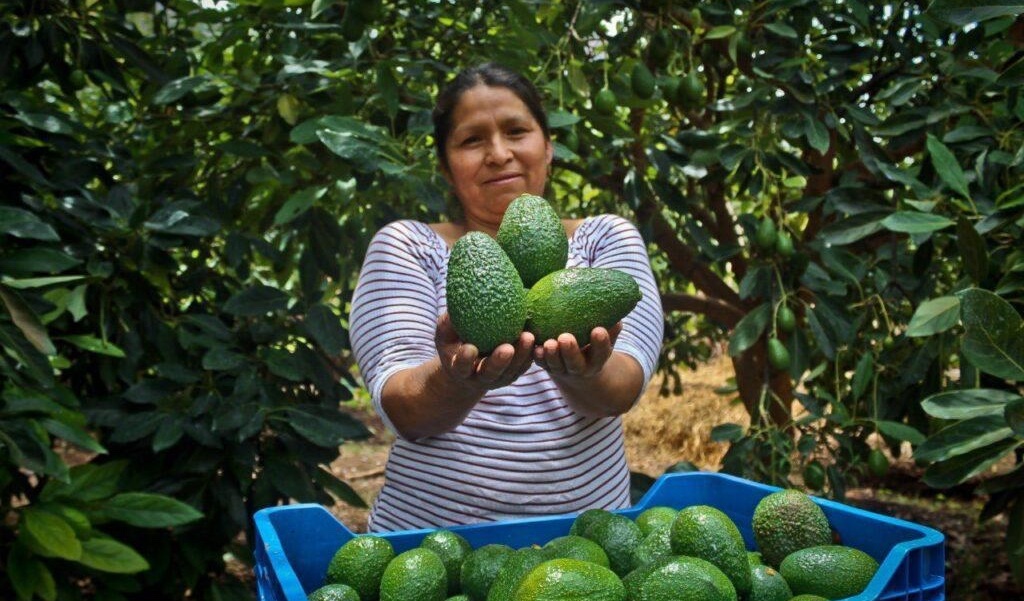
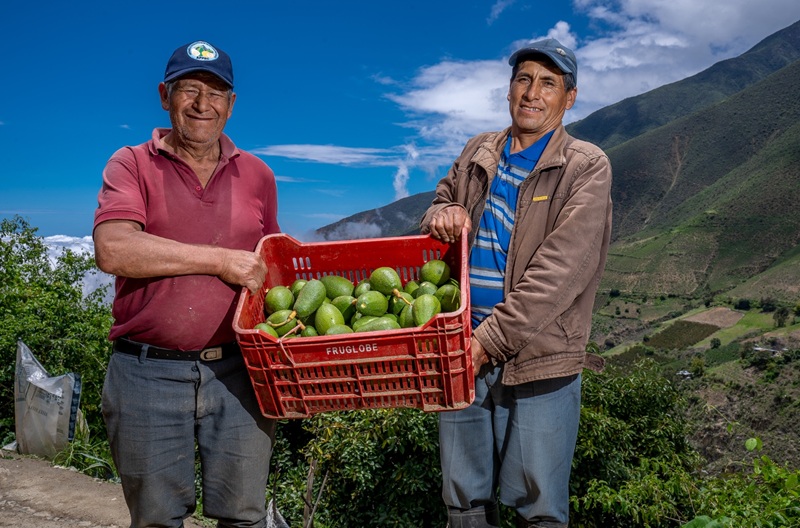
Medina made it clear that the sector's growth is not explained solely by large companies: more than 22,000 of the country's 30,000 producers have less than one hectare.
"Many are located in regions such as Cajamarca, Ayacucho, Huancavelica, Cusco, and Junín, where agriculture is the economic sustenance," he explained.
He added that there are producers who have as little as half a hectare or even 15 trees and yet take pride in contributing to the national agro-export industry. "That enthusiasm is valuable, but we must support them with technical assistance, mechanized irrigation, and training," he said.
"It's not about planting more, but about producing better," Medina added, noting that the current average yield is four to five tons per hectare, and the goal is to reach seven to eight tons.
Medina concluded with a clear message: Peru’s global leadership demands responsibility. He says local growers and exporters cannot neglect quality or sustainability, as global competition is intense, and only countries that guarantee premium fruit and responsible supply chains will maintain their position.
"Peruvian Hass avocado has achieved something extraordinary: turning a temperate climate crop into a global symbol of sustainability and national pride," he finished.
*Worker images courtesy of MIDAGRI
Related stories