







Cold storage market set for $40 billion growth by 2030, driven by online grocery and pharma expansion
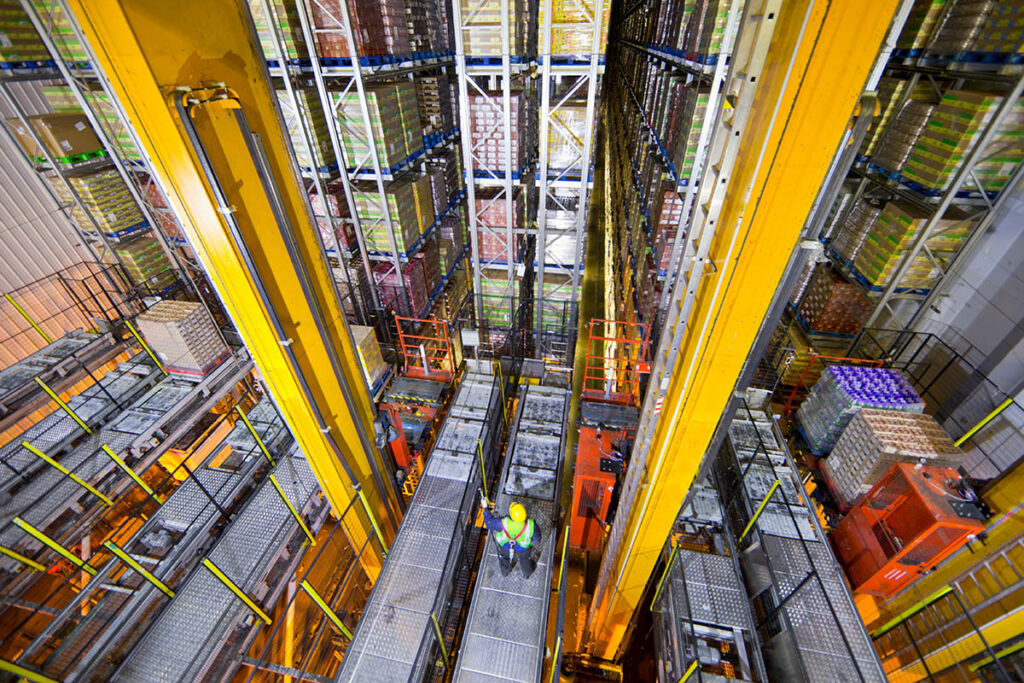



The cold storage market size is estimated to be $158.67 billion in 2025 and is projected to reach $198.78 billion by 2030, according to Mordor Intelligence, an India-based market research company.


This represents an annual growth rate of 4.61 percent, driven primarily by the acceleration of online grocery activity and the expansion of the pharmaceutical supply chain.
The Asia-Pacific region stands out as having both the world’s largest market share and the fastest growth rate, supported by urban consumption and public investment in cold infrastructure, according to the firm.
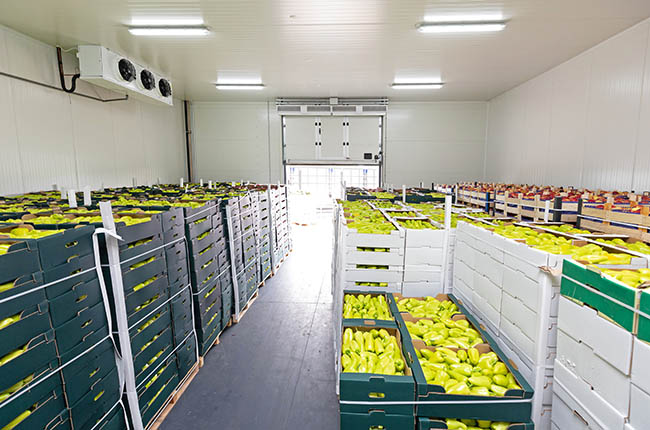
In its report, Mordor also notes that companies worldwide are increasingly outsourcing to specialist 3PLs, especially in dense hubs where automated high-bay systems help alleviate labor shortages and space pressures.
“While frozen units remain essential, demand for ultra-low and cryogenic environments is rising alongside advancements in cell and gene therapies,” reads the document.
The cold storage market regional breakdown
National incentives and the expansion of cold chain networks have driven tremendous growth in the sector across the Asia-Pacific region, according to Mordor.
India and China are investing public funds in storage infrastructure, while Japan is advancing automated vertical warehouses.
Australia and South Korea, on the other hand, are focusing on upgrading sites for seafood and vaccine logistics, while ports in Southeast Asian nations, such as Singapore and Vietnam, are developing reefer facilities to enhance export efficiency.
Rising disposable incomes are also boosting demand for localized cold lockers in emerging cities, adds the firm.
North America is not far behind, driven by the surge in e-grocery activity and the expansion of urban cold chain facilities. The United States continues to dominate the market in the region with large coastal and inland warehouse projects, while Canada strengthens its footprint around key metro regions for food and pharmaceutical logistics.
Limited land availability in major cities has led to the adoption of vertical storage models, and cybersecurity resilience is now a growing priority for operators.
Trends and what’s driving growth
The surge in online grocery shopping is prompting retailers to establish compact, automated cold storage facilities in cities.
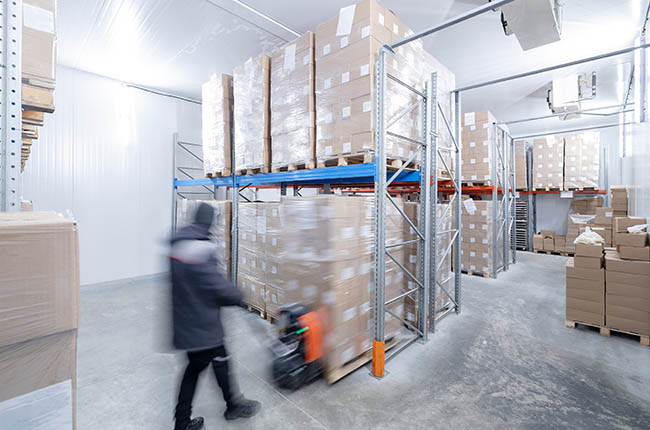
These micro-fulfillment hubs speed up deliveries by combining store and warehouse functions. To manage perishable goods efficiently, operators use smart inventory systems and often rely on third-party logistics providers for last-mile integration, according to the marketing intelligence firm.
Meanwhile, in Asia specifically, automation is transforming cold storage. Rising labor costs and limited land are prompting operators on the continent to adopt tall, automated cold warehouses that maximize space and efficiency.
These high-bay facilities reduce labor needs, operate around the clock, and are increasingly integrated into new infrastructure projects from the outset, marking a significant shift toward technology-driven cold storage solutions.
Related stories
Maersk invests $100M+ in South Africa's critical cold chain, boosting perishable exports
Maersk gives exporters sneak peek of new cold store facility in Cape Town









Subscribe to our newsletter