USMCA review: Washington raspberry growers testify on damage from Mexico's low-cost imports
 Add Fresh Fruit Portal to Google
The US Trade Representative’s office (USTR) continues to hear testimony on the upcoming review of the United States-Mexico-Canada Agreement (USMCA).
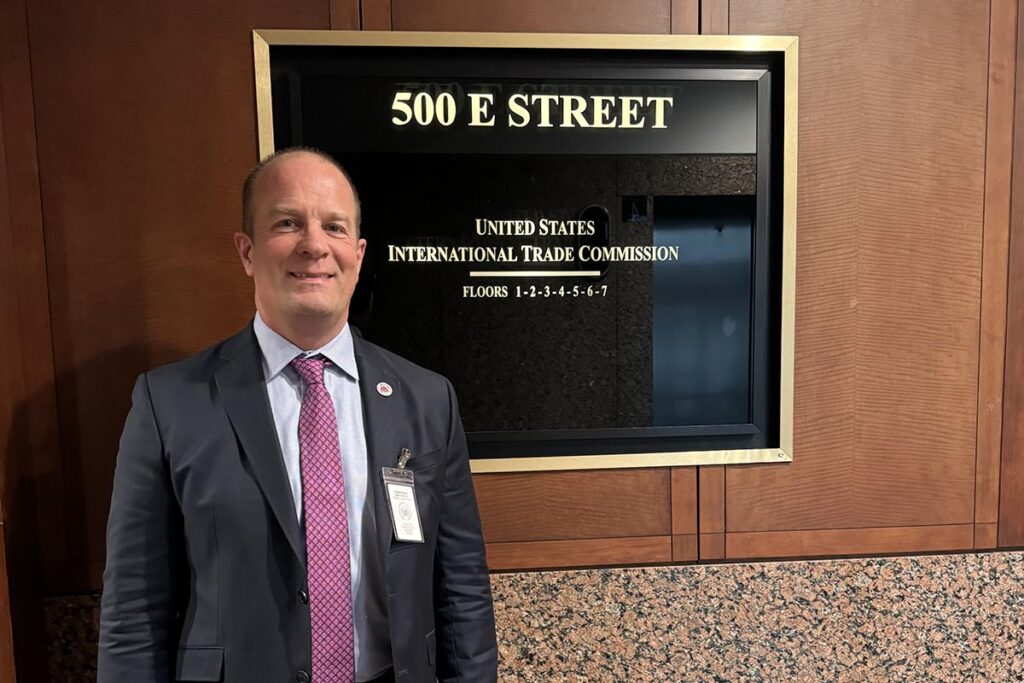
During the first week of December, it was the turn of the Washington Red Raspberry Commission (WRRC), represented by Brad Rader. In his presentation, the VP at Rader Farms and WRRC Board Member revisited the organization’s concerns, which had already been communicated to the USTR through a letter in November.
The missive (read in full below) was the commission’s response to the government agency's open comment period, which sought the public’s input on the decision to renew the USMCA after six years of its implementation.
The USTR must issue a final review of the agreement's effects on July 1, 2026.
The US processed raspberry market: an uneven playing field
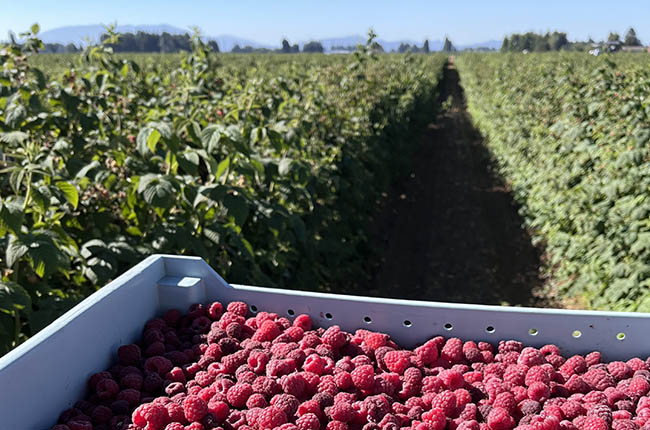
Back in November, FreshFruitPortal.com spoke to Gavin Willis, Executive Director of the WRRC. The head of the organization described an increasingly complex landscape for Washington growers, who are responsible for 90 percent of the frozen raspberries in the US.

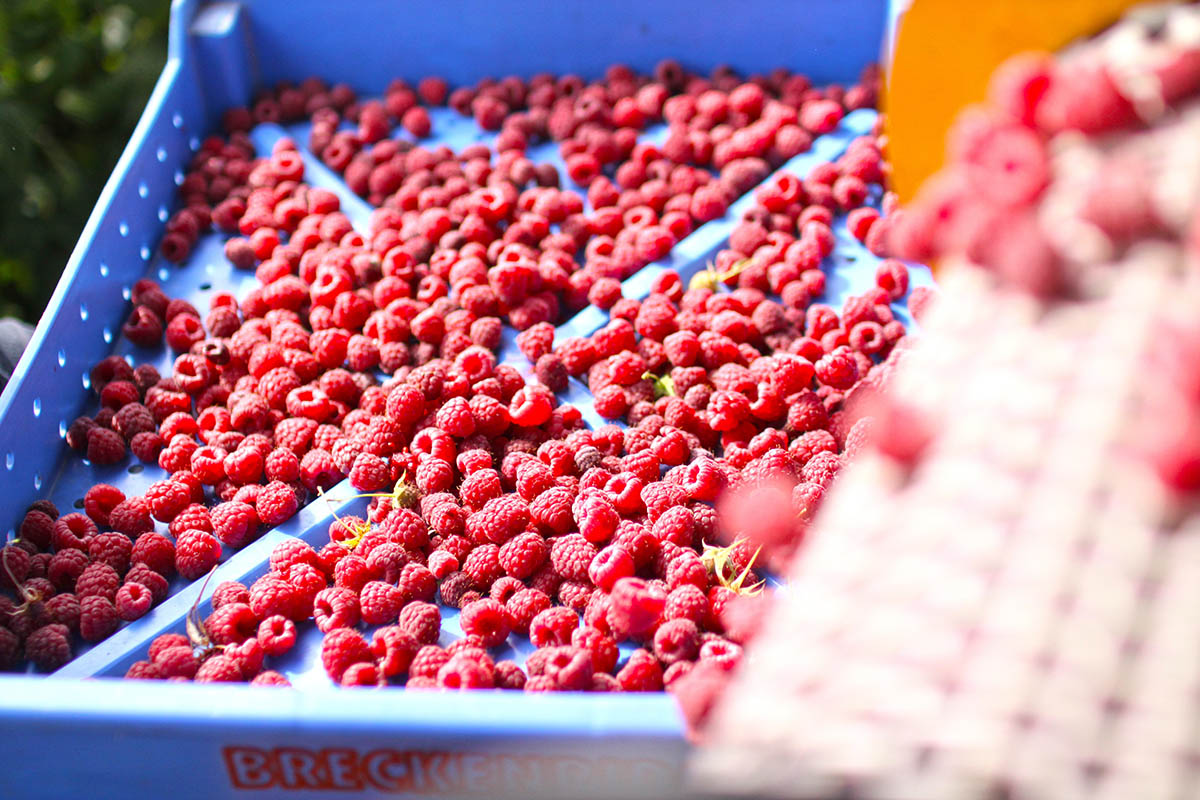
With a 72 percent market share, Mexico reigns supreme in the US fresh raspberry market. The problem for Washington, Willis explained, is that for the past 5 to 7 years, the byproduct of the Mexican industry (roughly five percent of the total crop) has been redirected to the processed sector.
This product is then sold at prices up to 40 percent lower than local fruit, which US producers cannot match.
“It's impossible to compete, and for buyers it's really hard to turn down something that's basically being offered to you at less than what it costs to produce it,” Willis said. “A lot of these producers or growers are selling this product when they’ve already made their profits in the fresh market, [so] they don't need to make a profit on it.”
The head of the WRRC said the organization doesn’t have a silver bullet to remedy the situation for Washington growers. However, Willis said that actively participating in the USMCA review is a way to “get this discussion started.”
From Washington state to Washington, D.C.
During his testimony, Brad Rader highlighted the current state of the processed raspberry industry and the dramatic effects of Mexico’s expansion in the US market.
Among these, Willis counts the reduction of planted acreage in favor of blueberries, for example, as well as product remaining in cold storage for way longer than usual. The latter extends to the point where some growers have fruit carryover from one season to the next.
All of this has resulted in a generalized decline in Washington raspberry production.
“Unfortunately, we have numerous examples of previously reliable customers reducing or canceling their orders from our processors, and instead choosing to purchase low-cost frozen raspberries imported from Mexico,” he added.
At the end of his testimony, Rader stressed the importance of seriously taking into account the raspberry industry’s case in the upcoming USMCA review.
“We respectfully encourage renewed consideration of policies to support the competitiveness and long-term viability of our industry,” he stated. “While there may be no single solution to the current trade imbalance, we are open to a range of approaches—including the establishment of quotas for Mexican imports—to provide relief and level the playing field for Washington’s raspberry producers,” he added.
*All images courtesy of the Washington Red Raspberry Commission
Related stories
From heat dome to bountiful harvest: Washington's frozen raspberry crop sees major 2025 recovery
California Avocado Commission urges changes to USMCA amid oversupply and pest concerns
US Produce industry speaks up: The potential impact of the upcoming USMCA agreement review