







Avocado growers see signs of recovery as Florida’s beetle-driven Laurel Wilt recedes
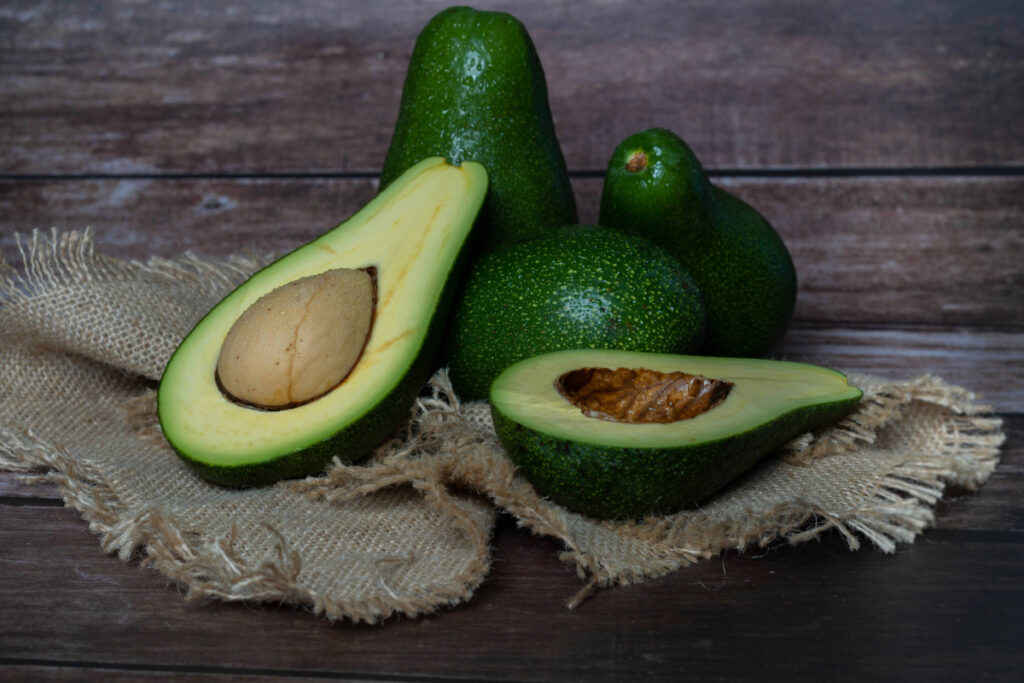



Florida’s producers, the nation’s second-largest, have faced a challenging decade since the Laurel Wilt fungus began spreading rapidly through the state’s avocado trees.


Fortunately, growers’ care, constant pruning, and the ambrosia laurel wilt losing the fungi competition have made the blight dramatically weaker and less prone to spread in the past two years.
Ambrosia Beetle, Laurel Wilt’s vector
Laurel Wilt is a fungal disease first detected in the US in Georgia in 2002, from which it rapidly spread to 11 southeastern states. The fungus was given a boost by its vector, the red ambrosia beetle, explained University of Florida associate professor and tropical fruit crop specialist Jonathan Crane. The insect is a generalist and attacks any tree that could harbor its fungus, regardless of species.
Since its arrival in the US, the beetle has targeted Florida’s avocado industry, specifically Miami-Dade County, where most groves reside. The region is attractive partly because the insect prefers warm, subtropical climates, although it does not thrive in high temperatures.
Since 2010, when the beetle first hit the Sunshine State, the disease has been found throughout Florida, resulting in over $50 million in losses and the destruction of more than 300,000 trees, including over 140,000 avocado trees.
“Since 2012, production is down about 60 percent, and acreage is down around 45 percent,” Crane said. “But, it looks like things are starting to stabilize and numbers might actually go up a little bit next year.”
The light at the end of Laurel Wilt’s tunnel
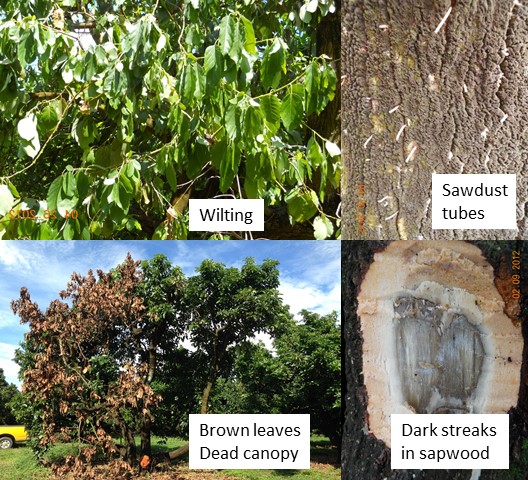
Crane is one of the scientists working to curb Laurel Wilt and has worked with growers to contain the beetle in the region. During the first nine years, he said the spread was catastrophic, with up to 30 trees per acre dead, dying, or under attack.
Now, such losses are much less common.
“We think that people are taking better care of their groves and have healthier trees,” he explained. “But they're also pruning, which opens the tree up to light and air movement.”
The ambrosia beetle not only avoids high temperatures but also shuns direct sunlight and gusty winds. Crane says this is because the insect evolved in the forest over millions of years, so they prefer shade and little wind.
“It turns out that if you can increase the amount of light and air movement coming into your grove, the beetles do not like it and are unlikely to set up house,” he notes.
The academic says there are contact insecticides that can kill the beetles, but most are not available for at-home use. They’re also only effective when the beetle is outside the tree, and since it spends 90 percent of its life inside the trunk, they’re difficult to apply, making prevention easier than treatment.
Another factor that aided the beetle's spread was its preference for old trees and the fungus’s ability to infect root systems. Back when it was first detected, Crane says, most of the groves were 30 years old or more and connected to each other.
Now, with thousands of old trees gone and new, unconnected avocado saplings taking their place, the disease’s advance is set to slow for decades to come.
It’s evolution, baby
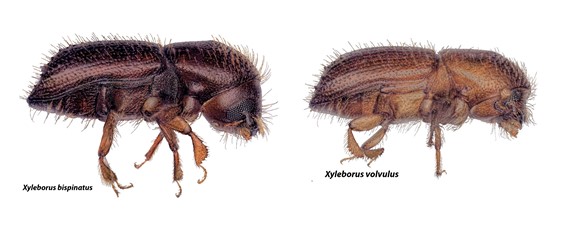
Completing the trifecta descimating the presence of Laurel Wilt in Florida, is evolution. There are nearly 20 species of ambrosia beetles in the southern state, and about 10 of them carry Laurel Wilt or are infected by it, Crane explained. But the ambrosia beetle is a hot commodity in the fungus-surviving business, and the Laurel Wilt seems to be losing that bidding war against other organisms.
“ The pathogen fungi are not winning that battle,” Crane said. “Let's say that, at one time, 50 percent of the ambrosia beetles in Florida had the bad fungus. Right now, it's like 10 percent. They're slowly decreasing just because of competition.”
But the researcher says avocado growers should remain cautious, as the disease is still present throughout the state.“They need to be aware that potentially the trees could get attacked at some point, and they're not a hundred percent out of the woods,” he said.
Yet, Crane remains optimistic, convinced that having hit rock bottom, this year will mark a turning point for the industry, as its resilience and new avocado plantings from six years ago finally bear fruit.
*All images courtesy of the University of Florida
Related stories:
Bananas on the brink: Weather, disease test US supply
Introduction of bacteria is found to reduce mold growth in blueberries





Subscribe to our newsletter