








US and Ecuador finalize landmark trade deal, slashing tariffs on key exports




After months of negotiations, the United States and Ecuador have struck a landmark trade deal that slashes or removes most tariffs on Ecuadorian imports and US exports to the Latin American country.


Building on a framework announced last November, the White House said that the final agreement will be signed soon and will create new opportunities for trade and investment between the two countries.
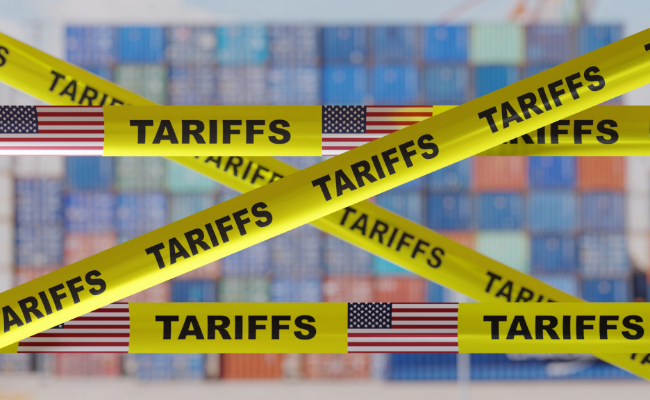
The White House increased the initial 10 percent Liberation Day tariff on Ecuador to 15 percent in July 2025. Since then, both countries have been in talks to reach a new trade deal.
US-Ecuador trade deal negotiations
In November 2025, the White House announced talks between the countries had been successful, releasing a tentative framework agreement with Ecuador that included removing the 15 percent US-imposed tariff on all Ecuadorian products that could not be grown, mined, or produced in the United States.
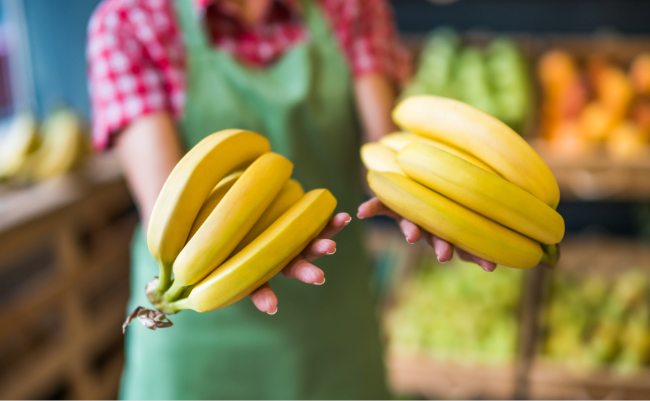
More than 100 products, including bananas and cocoa, which account for about 35 percent of Ecuador’s export value to the US, were exempt from the tariff.
The country’s Minister of Production, Foreign Trade, and Investments, Luis Alberto Jaramillo, announced that the final agreement removes or slashes tariffs on most Ecuadorian imports and grants them immediate preferential access to the North American market.
Jaramillo highlighted that this is the first bilateral market-access trade deal between the two countries, carefully crafted to avoid affecting “sensitive, locally grown Ecuadorian products.” He added that his government is not granting the US “something that hasn’t been granted before to other countries.”
Under the agreement, the US will benefit from minimal tariffs on key goods, including tree nuts, fresh fruit, pulses, wheat, wine, and distilled spirits. The agreement also eliminates the variable tariff on many agricultural products imposed through the Andean Price Band System.
The trade deal also requires Ecuador to reform its import licensing and facility registration systems for food and agricultural products “to enhance transparency and predictability and reduce onerous barriers to US agriculture exports.”
The banana industry celebrates
AEBE, Ecuador’s association of banana exporters, posted a brief statement on social media celebrating and backing the deal.
The organization said the document will strengthen the country’s competitiveness on the global stage, ensuring preferential market access and establishing clear and fair trade rules. These, they said, are key to protecting jobs, promoting investment, and contributing to its development.
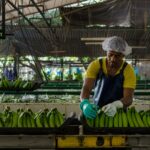
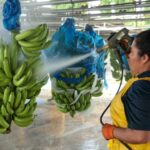
Ecuador is a key global producer of bananas and the second-largest supplier of the fruit to the US, with volumes valued at $605 million in 2024. With prices of America’s favorite fruit rising and an industry heavily pressured by climate change, the US-Ecuador trade deal comes at a perfect time to ensure continued supply into North America and a sustainable production chain in Latin America.
Related stories:
Ecuadorian banana exports soar past 377 million boxes, posting 3.5 percent growth in 2025
“We are surviving,” says Ecuadorian grower amid dragon fruit oversupply







Subscribe to our newsletter