


Chile expects to ship fewer table grapes to the United States during its peak export window this season, projecting a 10 percent decline from 2025 volumes. Growers continue to replace traditional varieties with newer, more productive ones as the sector adjusts to market oversupply.
The US accounts for just over half of Chile’s total table grape exports, with estimates of 34.7 million 18-pound boxes to be shipped this season. The Andean country’s Table Grape Committee forecasts global exports of 63.5 million boxes, down 6.6 percent year-on-year.
The entity’s executive director, Ignacio Caballero, told news agency UPI the reduced US volume reflects both varietal turnover and changing market conditions.
"The 2026 season will be a year of adjustment, consolidating the varietal replacement with new cultivars, which this year will account for 72 percent. Five years ago, only 36 percent of exported table grapes were new varieties," Caballero says.
He adds that a mismatch between supply and demand in the US market is contributing to the pullback. Weekly demand has remained steady for years at between 3.5 million and 4 million boxes, he notes, while global supply has expanded.
"There is stagnant demand, market saturation, and little investment in increasing demand through promotions. It is a moment when the industry must be proactive and change the trend," he says.
Chilean grape research commission Uvanova President Rafael Rodríguez tells FreshFruitPortal.com that the season is “going more or less as planned,” as Peruvian supplies wind down in line with seasonal availability.
“Chile is exporting more fruit than Peru in the week. The season’s transition is already underway,” he says.
The executive notes that Peru reduced its projection from “a little over 86 million boxes to 84 and a fraction,” adding that shipments have been closer to 78 million boxes. As for where Chilean supplies fall compared to the Peruvian projection, he’s confident about the industry’s initial forecast: “I think it will meet it, but probably won't exceed it.”
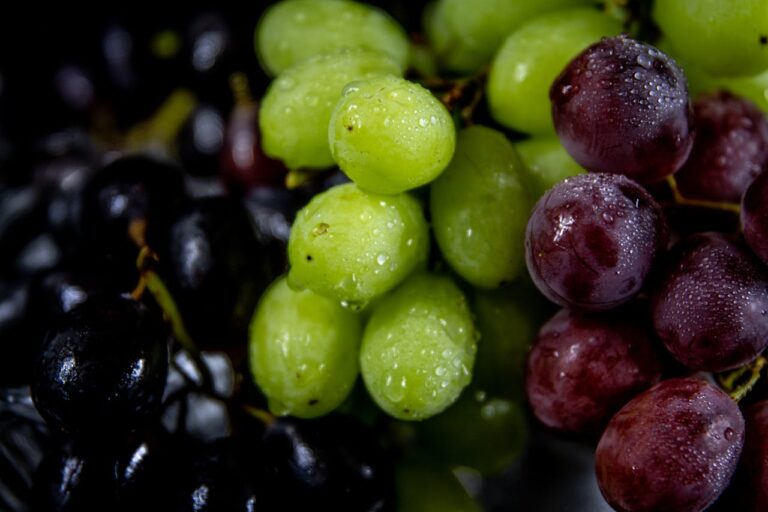
Rodríguez describes the United States market as highly competitive, particularly for seedless varieties. However, he agrees with Caballero that oversupply will continue to put pressure on prices, but more promotion is needed to help with sales. grapes. Spot pricing for red and black table grapes is between $20 and $26, with greens falling within that range, the executive notes. Weekly shipments are now closer to the 3.5 million average, which, the executive added, helps with balance.
Rodríguez expects retailers to continue featuring grapes at those prices in the near term, “and by March, maybe raise pricing a little.”
Fruit condition, Rodríguez notes, will support the outlook for the remainder of the Chilean table grape season.
“The fruit, in general, is looking healthy and beautiful. And I think it will be a good, productive season,” he says.
As for other destinations, such as Europe, Rodríguez expects quality to also drive good results.
“In the case of Europe, it is a market that is now under some pressure with fruit from South Africa and Peru. India is definitely going to be late. So I think table grapes from Chile arriving in April will be available at good prices in Europe. So it's also good news,” he explains.
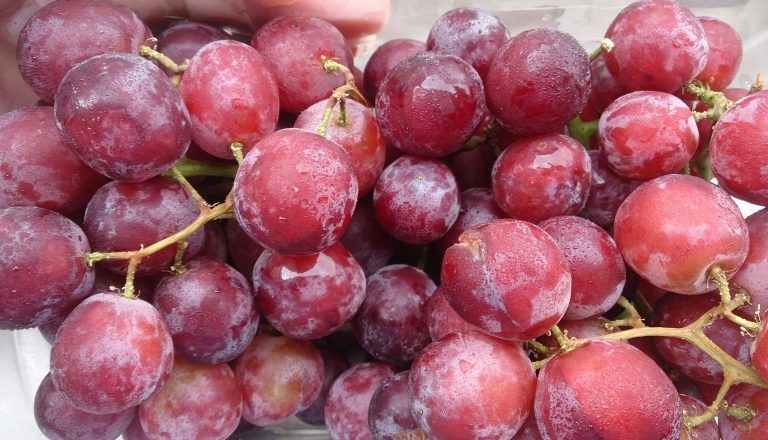
Rodríguez also highlights the performance of the Red Globe variety, which Chile ships in volumes of about 10 million boxes, similar to Peru.
“Red Globe is doing quite well, and at good prices in the United States. And it should be the same in Latin America and Europe,” he says.
In China, Chile continues to reduce volume year over year, but pricing has improved compared to last season.
“They are better than last year for Chilean grapes. And that is also good news,” he notes.
For now, the focus remains on steady US movement as Chile takes the lead in weekly shipments during the critical winter window.
*All images are referential.
Related stories
The Indian grape market heads for 2035: Modernization, climate resilience, and export growth
South Africa gains market access to export fresh table grapes to Korea