


US tart cherry industry unveils 'True Tart' label to strengthen global market position
 Add Fresh Fruit Portal to Google
National cherry month is coming to an end, but not before the US tart cherry industry makes itself heard.
On February 10, the US Cherry Industry Administrative Board (CIAB), managed by the US Department of Agriculture, announced True Tart, a new US cherry certification launching this summer. The label was created to strengthen American tart cherries' identity in the global and local markets.
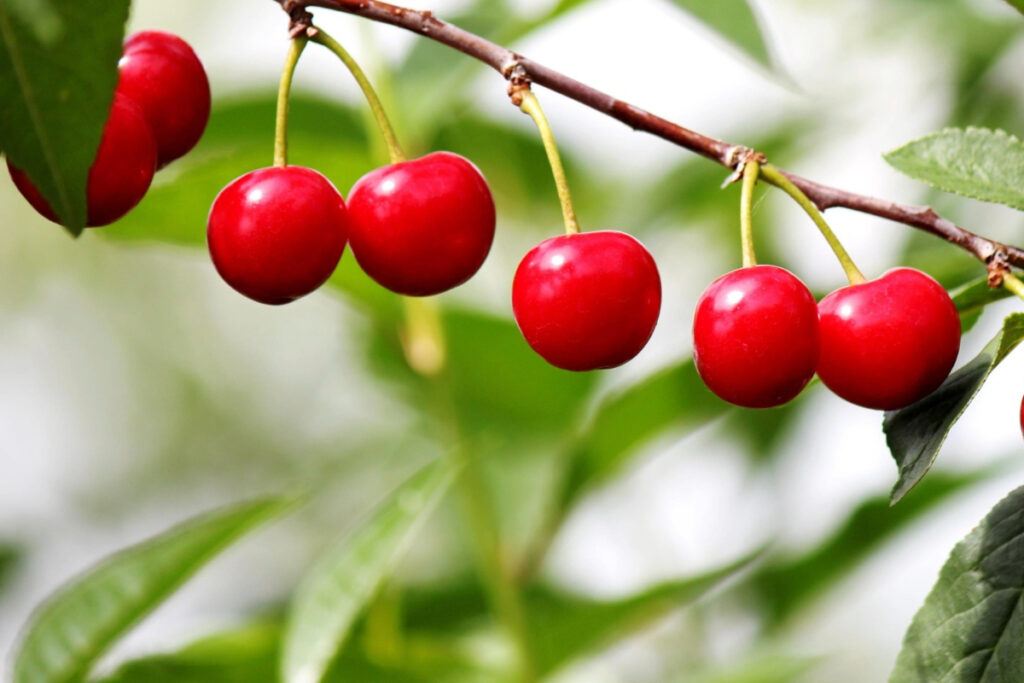
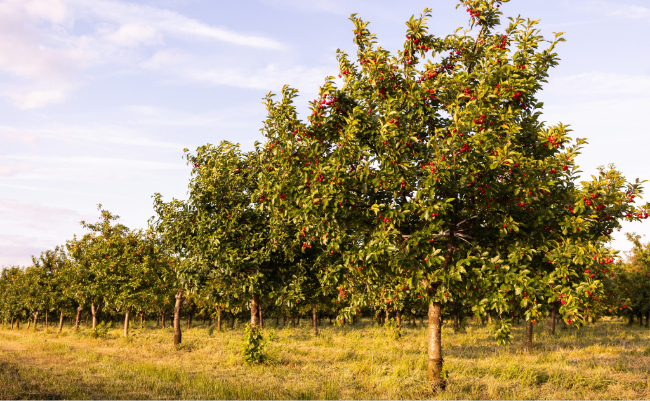
Montmorency is the favorite American-grown tart cherry, accounting for 98 percent of total category production. The US produces between 200 and 300 million pounds of tart cherries a year, with 70 percent coming from Michigan.
Overall, the US is a major global producer of cherries, ranking among the top five and accounting for eight percent of worldwide production. However, Türkiye, China, the European Union, and Chile each hold double-digit shares of output, and the industry is poised to continue growing.
The True Tart certification is an industry effort to make US tart cherries stand out in the global market and a push to modernize and centralize how US-grown fruit in the category are displayed.
True Tart, the tart cherry industry’s new distinguishing certification
“When buyers and consumers see the True Tart mark on packaging, they’ll know the product contains authentic US-grown Montmorency tart cherries,” said Amy Cohn, President of the CIAB. “We believe programs like this can become meaningful drivers of growth and profitability.”
The idea of creating the True Tart certification grew from ongoing industry conversations about protecting the fruit’s identity as it gained popularity, Cohn explains.
Demand for tart cherries has increased in recent years, particularly in the wellness and sports nutrition sectors.
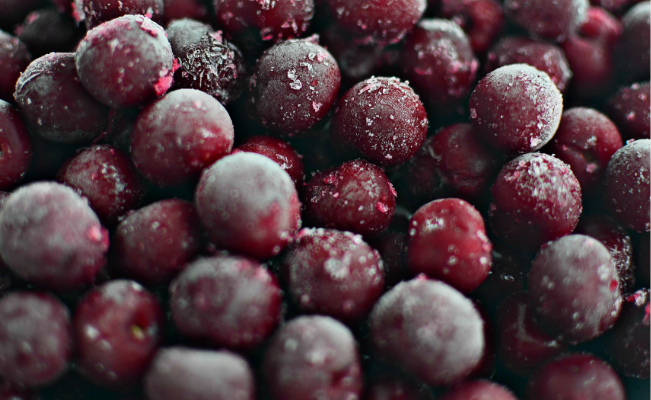
Unless you live in a major growing region like Michigan, Utah, or New York, fresh tart cherries are a rare find. Most are transformed into powders or bottled as pure juice and concentrates.
These products have quickly become stars in the health and wellness world, celebrated for their benefits, including reducing inflammation, improving sleep, and supporting heart health.
Cohn says the superfruit’s growing recognition is in part due to CIAB’s publicity and consumer education work.
“A third-party economic review of our domestic marketing efforts found that for every $1 invested, growers saw nearly $3 returned in net revenue,” Cohn explains. “In an environment of rising costs and global competition, measurable return matters.”
True Tart is a main tool the industry is using to protect consumer trust and make things clearer and more reliable for everyone involved, which is increasingly essential as awareness of tart cherries grows, Cohn explains, and products across the marketplace may use the words ‘tart cherry' without clearly communicating origin or varietal identity.
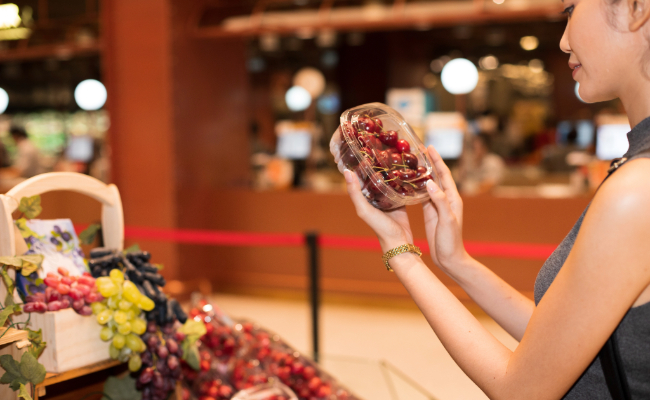
Cohn says many consumers still think ‘a cherry is a cherry,’ and don’t distinguish between sweet cherries and Montmorency tart cherries, which are used in juice, dried, or recovery products.
“When consumers understand the difference—including origin and research foundation—they make more intentional choices that strengthen demand,” Cohn explained. “Education builds differentiation, and differentiation supports grower viability.”
How will True Tart work?
Cohn says the True Tart certification is almost ready to launch, and the label will soon appear on packaging to show that a product meets set standards for real American-grown Montmorency tart cherries.
“We are finalizing brand standards and usage guidelines to ensure the mark is applied consistently and credibly across product formats,” she explained.
But this process is not that simple, Cohn explains. The industry has reached consensus on proposed usage criteria and minimum inclusion standards for canned, dried, and frozen formats. However, final discussions on true tart cherry beverages are still in the works, since concentrate requirements, particularly in blended products, are a bit trickier.
The certification is set to debut this summer, at the height of cherry season.
“As international demand for research-backed, specialty ingredients grows, we see an opportunity to elevate the Montmorency identity beyond US borders,” she added. “Our approach prioritizes markets where tart cherries are positioned as a functional ingredient, and where origin differentiation supports premium positioning.”
Related stories:
The South African cherry industry expands and aims to double production in five years