








Chilean blueberry sector focuses on quality, post-harvest life, and genetic renewal
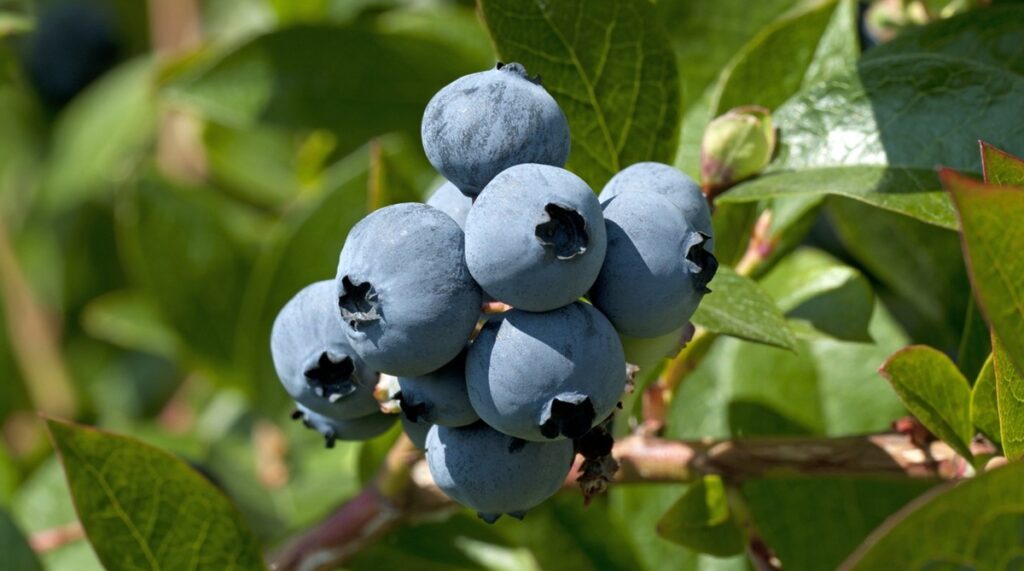





The Chilean blueberry industry is entering a new stage of transformation marked by varietal replacement, changing production systems, and an increasingly strategic focus on global competitiveness.
Following a series of visits to producers, nurseries, trial fields, and tissue culture laboratories in the country, the international company Global Plant Genetics (GPG) emphasized that the Chilean blueberry sector is in a transition process, rather than a phase of decline.
In a press release, the company said that in some production areas, traditional varieties are being replaced by new genetics, while production systems are moving toward more intensive and tech-driven models.
This process, GPG says, responds largely to an increasingly competitive global market, where Chilean producers face competition from emerging and consolidated industries in Latin America, Africa, Europe, and Asia.

Image courtesy of GPG
In this scenario, quality is no longer a differentiating element, but the minimum standard demanded by international markets. Variables such as productive consistency, post-harvest life, flavor, fruit size, and the ability to maintain quality during logistics have become key to commercial success.
Genetics gains prominence in Chilean blueberries
One of the most relevant changes for the industry is the growing strategic role of genetics. Varietal choice no longer responds solely to agronomic criteria, but has become a key decision for the sustainability of the business, the company stated.
The process of replanting orchards is already underway in several areas of the country, with Chilean producers evaluating new varieties capable of adapting to increasingly changing climatic conditions.
In this context, some areas in the Latin American country that were historically classified as high chill-requirement are being reconsidered as medium or low-requirement zones, while characteristics such as heat tolerance and productive stability are gaining relevance.
Trials and development of new varieties
During its visit to Chile, GPG also held meetings with its licensed partners in the country—SynergiaBio, Hijuelas nurseries, and Sunnyridge nurseries—who participate in the evaluation, propagation, and commercialization of new genetics.
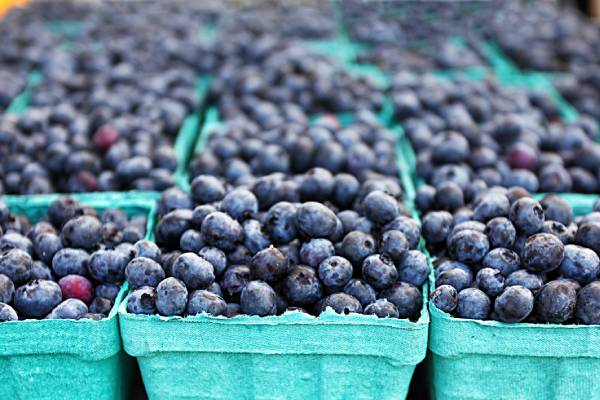
According to the company, one of the most notable aspects observed in the field was the speed of the switch and the early productivity of some varieties with low chill requirements. These elements, they say, indicate that the varietal transition is already occurring in orchards across the country.
Looking ahead to the coming years, the sector projects a more consolidated and efficient industry, with larger fields, more concentrated production, and wider productive windows.
In this scenario, the success of the Chilean blueberry industry will not depend solely on export volume, but also on its ability to deliver high-quality fruit, reduce production costs, and ensure good post-harvest performance in international markets.
Related stories
Chilean blueberry export forecast up 2.7 percent as new varieties drive supply shift
Chile anticipates a high-quality 2025 blueberry season thanks to varietal renewal









Subscribe to our newsletter