








The new China: US pistachios ready to crack India’s high-growth market
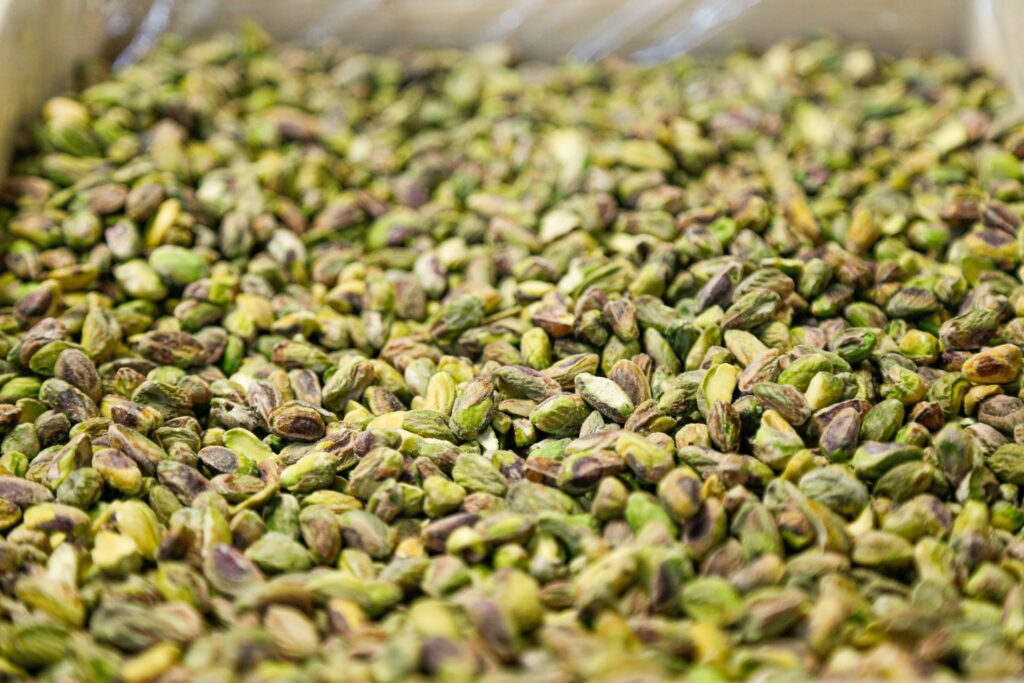



The recent trade deal between the United States and India is expected to unlock new and exciting opportunities for the American nut sector.


Among them, the pistachio industry is well-positioned to benefit from the renewed playbook as both countries move towards expanding agricultural trade.
The new Interim Agreement on a Reciprocal Trade Deal, which reduces US tariffs on Indian exports and broadens American goods' access to India, signals a turning point for a historically restricted market. This framework aligns with efforts already in place to grow US pistachio exports in India, a rapidly expanding market.
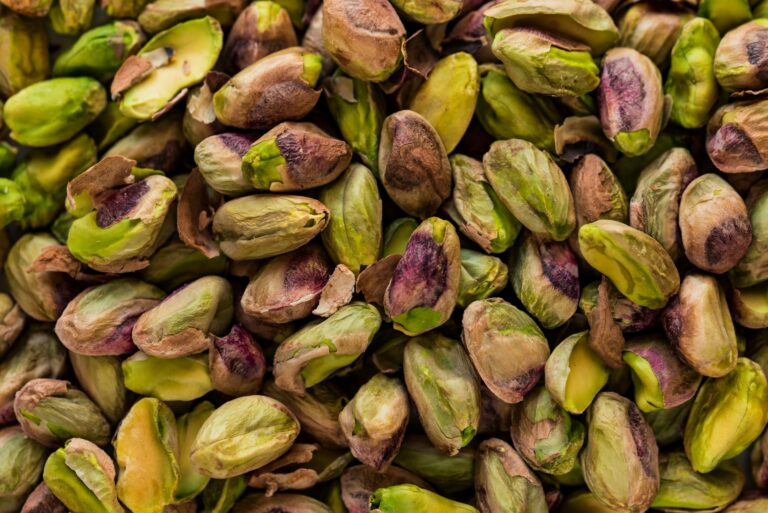
“The US-India trade relationship is extremely important for American pistachio growers, with India now one of the largest and fastest-growing export markets for US pistachios,” Suzanne Deveraux, Director of International Marketing at American Pistachio Growers (APG), tells FreshFruitPortal.com.
The US produces roughly 65 percent of the pistachios grown globally, and about 70 percent of its crop is destined for exports. In the past decade, India’s role has expanded steadily.
“We really look at it like it's the next China, and so there's a lot of excitement around what we're being able to accomplish with our marketing efforts in India,” Deveraux adds.
As tariffs fall, pistachio demand rises
Aside from pistachios, the interim agreement outlines a path for reduced tariffs on key nut categories, including almonds and walnuts.
While the APG has welcomed the historic agreement more enthusiastically, other industry actors, such as the California Walnut Commission, remain cautious amid ongoing policy developments.
“The recent Supreme Court decision striking down the administration’s tariff policies and the subsequent announcement by President Trump to use Section 122 tariff authority have stalled expectations for trade agreements with numerous countries, including India,” a spokesperson for the board told FreshFruitPortal.com in early March. “While news reports from both New Delhi and Washington, D.C. strike an optimistic tone, the timeline for a new tariff structure for California walnuts remains unclear”.
India has historically maintained high import duties and protective measures across agricultural goods. However, the new framework changed that, introducing gradual liberalization, such as tariff reductions and quota systems designed to balance domestic production with import flows.
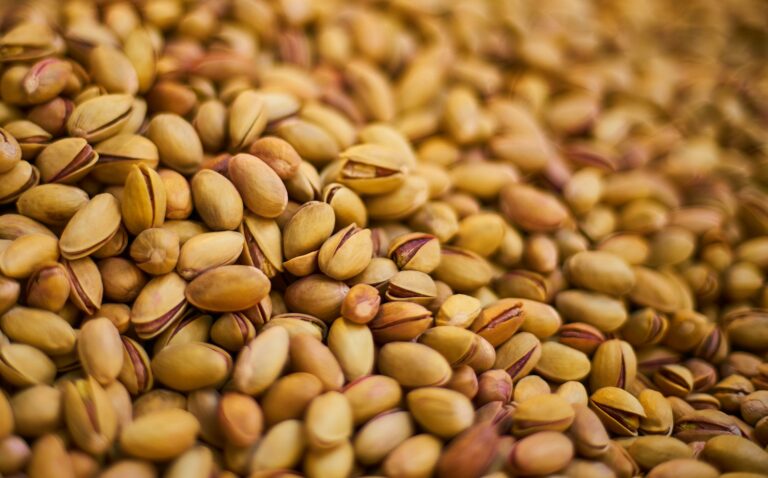
With over 1.4 billion people and a rising middle class that has become increasingly health-conscious, demand for pistachios remains strong, says Deveraux.
“When you consider the dynamic that a majority of the country is vegetarian, we have a product that is just so perfect for what they need,” she says, noting that APG has focused on positioning pistachios as a functional food in the market.
“One of the big things that we did over the last year was do nutrition research around how pistachios affect diabetes and prediabetes,” she said. “They learned that there were significant positive results with eating a handful of pistachios right before a meal, and it significantly dropped the blood sugar numbers and totals.”
According to Deveraux, the messaging is resonating. However, despite mounting research on health benefits, Deveraux acknowledges that pistachios often get a bad rap due to their high-calorie content. This, she notes, should be taken with a grain of salt.
“When you look at a serving size, actually, pistachios’ serving size is about 40 to 49 individual kernels, which is a lot. So it helps you with your satiation, keeping you full longer,” she explains. She added that pistachios are high in protein and might have as much of the nutrient as an egg.”
Logistics remain a challenge
Despite momentum, structural challenges remain. US nut industry participants continue to navigate logistics constraints and regulatory hurdles.
“If we can find opportunities to reduce those trade barriers, it would explode. I'm telling you this will be such an incredible market for all commodities, not just pistachios and tree nuts,” Deveraux stresses. “We've got to figure out logistics, figure out ways to get our product there and make sure that our processors and farmers get paid.”
The US government has increased its engagement in the market, including a 2024 agribusiness trade mission and expanded export support.
“A lot of our federal funding that we're receiving is actually benefiting our India market because they believe so much in this region, because they see the growth opportunities,” Deveraux says.
On the demand side, marketing execution continues to drive retail gains. APG’s partnership with Indian cricket player Jaspreet Bumrah has delivered measurable results in-store.
View this post on Instagram
“When we do these campaigns with this iconic cricket player, sales increase more than double, sometimes triple in the retail space,” she shares.
While the current season represents an “off year” for US pistachio production, Deveraux says it is too early to provide forecasts, noting that clearer visibility will depend on weather conditions in the coming weeks.
*Photos are referential.
Related stories
Pistachio predicament: How Iranian farmers are fighting water scarcity and aflatoxin
Fewer nuts, higher value: California pistachios projected to exceed $3 billion valuation
Beyond walnuts: Chile explores opportunities and challenges for pistachio cultivation








Subscribe to our newsletter