








Tang Gold mandarin plantings hit full capacity in Italy
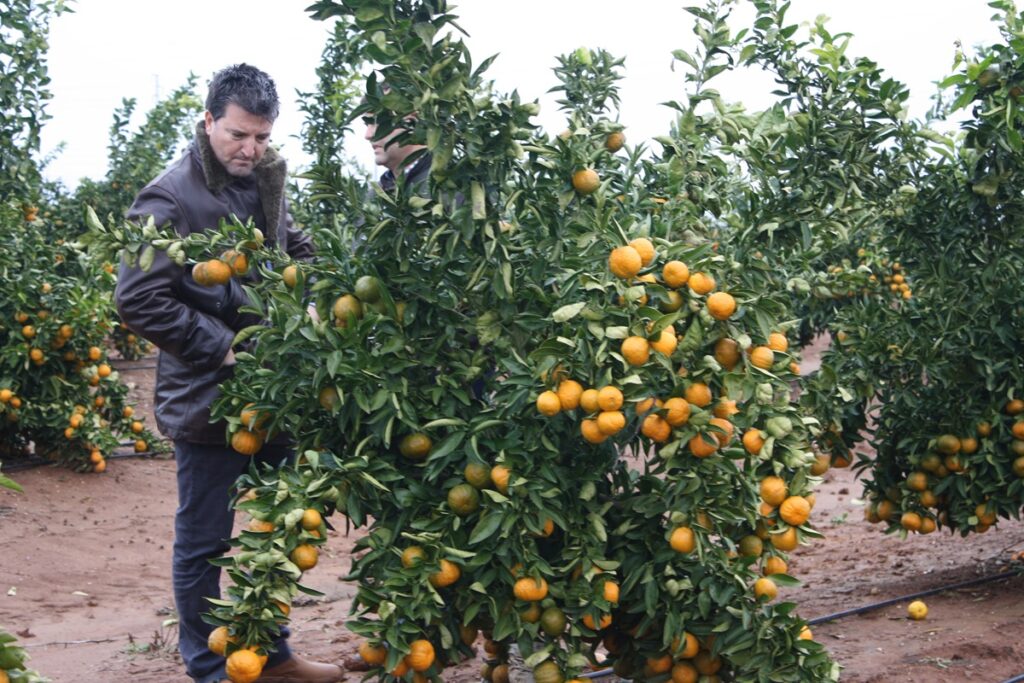



Spanish company Eurosemillas announced that the Italian planting area for its proprietary late-season Tang Gold mandarin variety has hit full capacity, marking a new milestone in its consolidation in the European market. According to the company, the plantings planned for this program will be completed by 2026, allowing Tang Gold to further strengthen its presence in the country. The cultivar, positioned as a premium seedless mandarin, has gained recognition among Italian consumers and is currently marketed primarily domestically.


The company also noted that the propagation and distribution of Tang Gold plants—including seedlings and grafts—is permitted only to authorized nurseries based in Spain. Any supply of plant material outside these channels is considered illegal and doesn’t provide any guarantees regarding varietal authenticity or compliance with the phytosanitary requirements necessary for plant health.
To protect authorized producers and consumers, Eurosemillas reiterated its commitment to take legal action against any unauthorized use or reproduction of the variety.
Tang Gold control and traceability system

For over a decade, the company has maintained a control system covering the entire Tang Gold production chain. This process is supervised by Cyberagrópolis, a specialized firm that guarantees full traceability of authorized production.
The system includes labeling specifically designed to prevent counterfeiting, as well as the digital registration of all authorized farms. Additionally, orchards are monitored using geolocation technology, enabling precise identification of authorized plantations within each cultivated area.
These protocols are enhanced by periodic audits both in the field and at authorized packing centers.
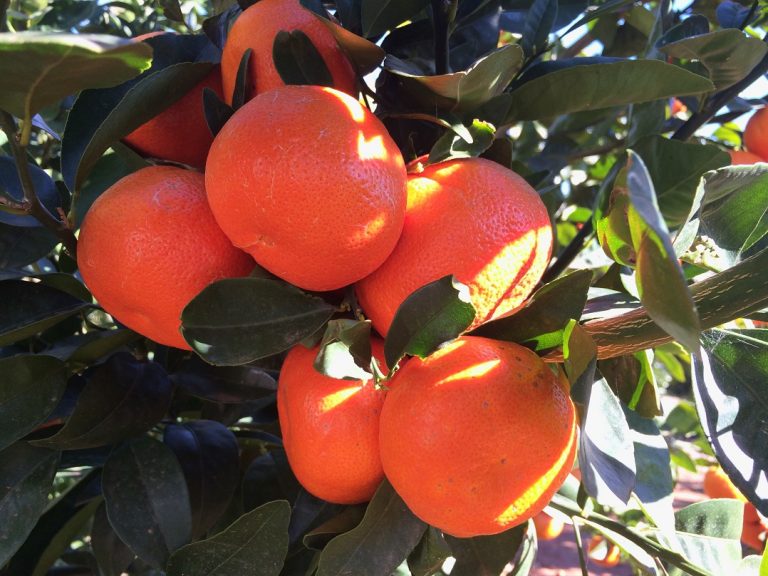
One of the pillars of the control system is the use of molecular markers—specific DNA segments that allow Tang Gold to be unequivocally identified from other mandarin varieties. Through this method, external agencies purchase fruit at points of sale and submit it to accredited laboratories for genetic analysis to verify its authenticity.
Tests are also conducted at packing centers and directly in the fields. If any irregularities are detected—such as varietal mixtures or fruit from unauthorized plantations—the system allows rapid identification of the source of the violation.
Italy is emerging as one of the top three producers of Tang Gold in the Mediterranean region. However, a large portion of the orchards established in the country are still young and have not yet reached their maximum production potential.
Related articles:
Tango mandarin patent expires, granting US growers royalty-free access
Record surge: US mandarin and tangerine imports to hit 555,000 metric tons as California output dips










Subscribe to our newsletter