Dwarf papayas could reshape Florida’s production
 Add Fresh Fruit Portal to Google
Florida growers may be able to cut down on height and hassle as dwarf papaya cultivars emerge as a potential alternative to traditional hard-to-reach varieties. While specific requirements for commercial cultivation are still pending, University of Florida Institute of Food and Agricultural Sciences (UF/IFAS) Assistant Professor of Horticultural Sciences Jugpreet Singh says the potential is ripe for the taking.
Despite the Sunshine State's ideal climate for tropical fruit cultivation, papayas have become something of an uphill battle for commercial producers and backyard gardeners alike. Beyond pest pressures such as Papaya Ringspot Virus (PRSV), the crop’s development requires additional harvesting tools.
“Papaya plants can become very tall, and once fruit is carried above practical hand-harvest height, workers may need ladders, platforms, or other equipment,” Singh told FreshFruitPortal.com.
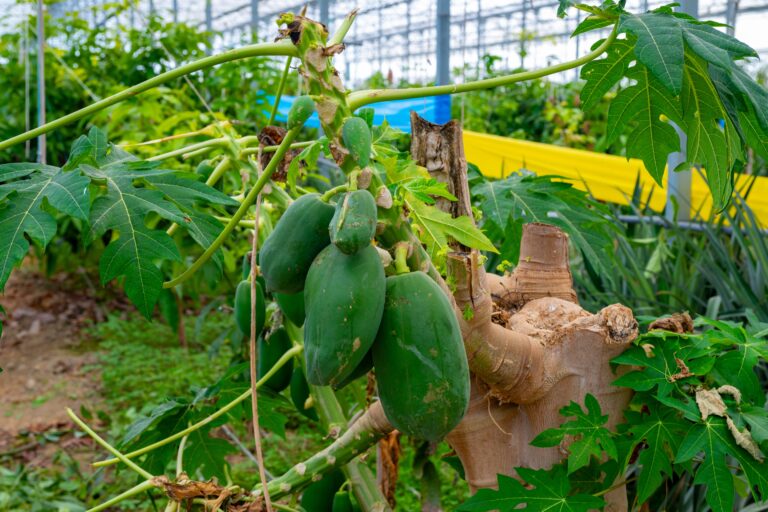
The academic, who represents the Department of Horticulture at UF/IFAS Tropical Research and Education Center (TREC) in Homestead, explained that the very size that gives dwarf papayas their namesake grants them an advantage over traditional varieties during harvest.
“There is a reasonable expectation of less mechanical fruit damage or scarring during harvest because workers can handle fruit closer to ground level,” he noted.
Singh believes this alone could lead to real labor savings. However, he cautioned that commercial Florida trials would still need to confirm whether dwarf papaya plantings deliver measurable improvements in picking efficiency or fruit quality.
Dwarf papaya cultivation’s key benefits
Could the smaller crop deliver a shorter route to wind resilience and space optimization? Singh certainly believes so.
He explained that dwarf papaya’s compact architecture could reduce the risk of toppling during strong winds, a recurring weather risk in Florida.
“Compact low-bearing plants offer several structural advantages: shorter lever arm between canopy and root system, less exposed canopy area, and less trunk bending moment,” the expert said.
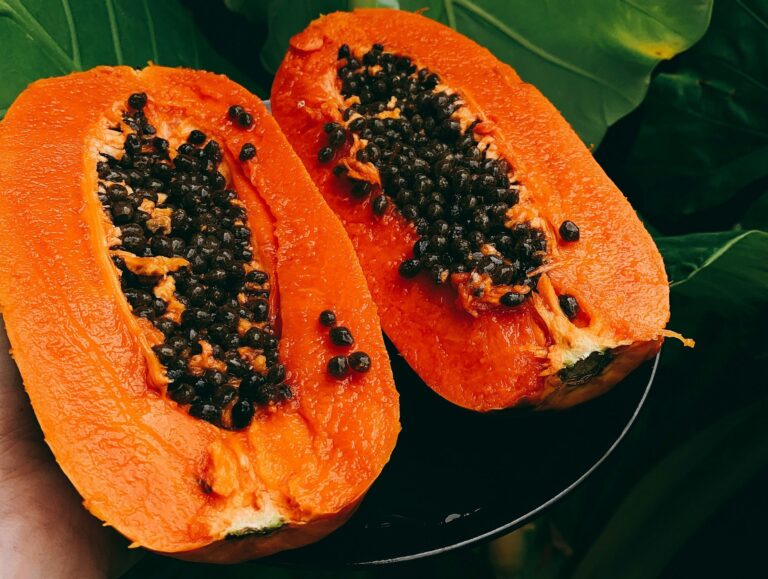
The cultivar’s compact size also offers space-saving benefits. Current UF/IFAS guidelines recommend spacing conventional commercial papayas seven feet apart within rows and 15 feet between rows to accommodate equipment during routine operations. With smaller-than-average plants, growers can optimize land use through higher-density planting.
While this might raise yield concerns, Singh said growers should evaluate it on a per-acre basis rather than by fruit size alone.
“Smaller individual fruit does not necessarily mean lower box yield per acre. The size potentially be offset by higher fruit number and plant population, but cultivar-specific commercial spacing trials are still needed to establish optimum density and boxes per acre,” he stressed.
Dwarf architecture does not, however, address the sector’s most significant constraint. Once a tree contracts PRSV, there’s no cure, and it must be removed and destroyed, contributing to the decline of Florida papaya acreage.
While plant height alone would not solve the disease's epidemiological challenge, Singh notes that a smaller canopy could make physical protection systems easier to install.
Small fruit, big market questions
The market opportunity for dwarf papayas may instead center on the premium ripe-fruit segment. Florida's commercial industry has traditionally relied on large-fruited Mexican and Formosan types, including Maradol and Tainung, with some fruit harvested green for culinary uses.
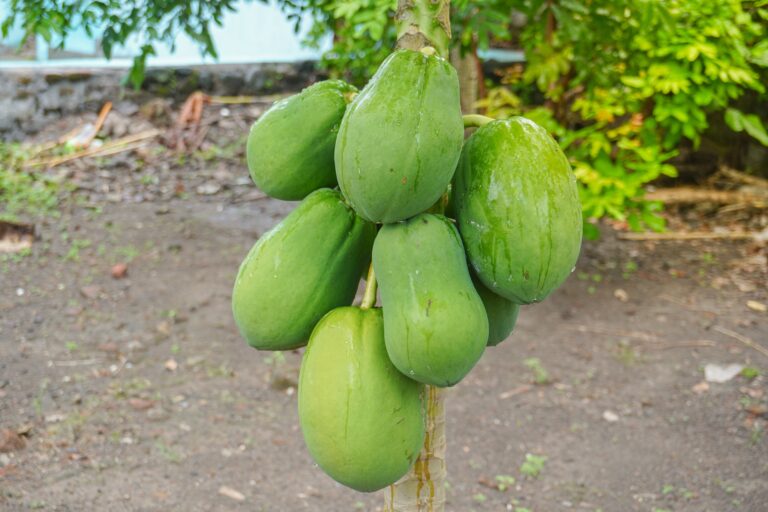
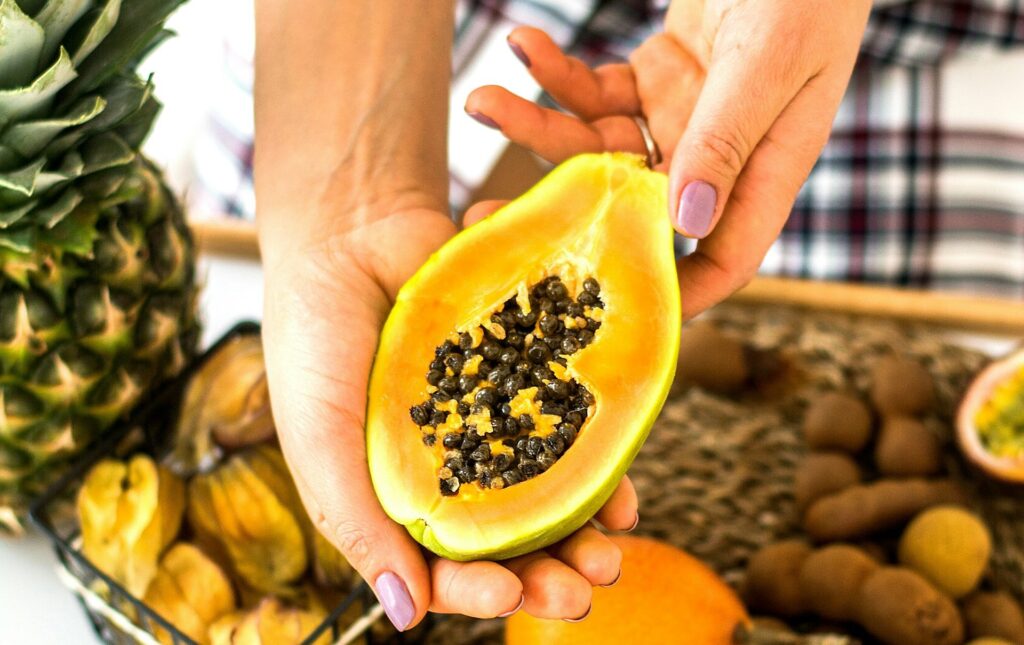
However, these smaller “Solo-type” papayas offer individual-serving fruit for on-the-go, quick, easy consumption. Singh said that positioning could allow dwarf cultivars to target a differentiated segment rather than compete directly with large-fruited papayas in the traditional green or savory categories
Singh emphasized that field research still needs to determine optimal planting densities, per-acre yields, harvest labor savings, wind-related survival, and fruit damage before growers can fully assess the economics of switching from conventional plant architecture.
*All photos are referential via Unsplash and Shutterstock.
Related stories
Hawaiian papaya growers face rising costs and weather pressure