India unlocks market access to Canada for fresh mangoes, pomegranates, oranges, and garlic
 Add Fresh Fruit Portal to Google
Consumers in the Great White North will soon be able to enjoy some of the best fresh fruit India has to offer.
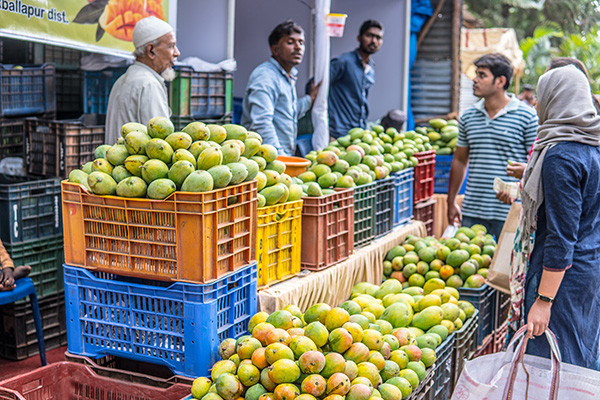
In a circular published at the beginning of April, the country’s Agricultural and Processed Food Products Export Development Authority (APEDA) announced the phytosanitary protocol and requirements for exporting Indian fresh mangoes, pomegranates (fruit and arils), oranges, and garlic to Canada.
The newly unlocked market access was approved by the Canadian National Plant Protection Organization (NPPO) at the end of January; however, there’s no clear date for when the first shipment of these products will hit the shelves in North America.
According to the Canadian Food Inspection Agency (CFIA), the fruit will be subject to inspection upon entry, during which agents will ensure the fruit is clean, free of soil, pests, leaves, and other plant debris that might pose a risk to Canadian biodiversity.
The import framework also emphasizes the importance of traceability and sustainability, requiring that cargo be clearly identified on shipping documents and packed in specific, CFIA-approved straw.
The Indian bet on quality over quantity
The Asian country is currently shifting its fresh fruit export strategy, unlocking new and profitable market opportunities.
As a top global ag grower, the Asian subcontinent’s expansion into markets like Canada signals a clear push to prioritize phytosanitary compliance and commercial quality over large export volumes.
By unlocking Canada and the United States—whose fresh fruit access was expanded as part of the US-India trade deal framework announced in February—the country is pushing to professionalize its local agricultural operations.
The objective is not only to comply with the ever-more-stringent import protocols of large, high-income Western countries. The emphasis on plant health and security aligns with consumers in that part of the world who, driven by cultural trends and health concerns, pay for quality, traceability, and sustainable practices.
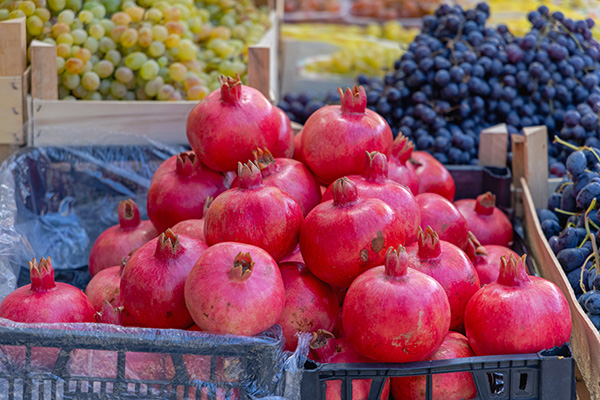
India is one of the world's top pomegranate producers, with year-round operations resulting in over 284 million tonnes every year. The region of Maharashtra accounts for over 66 percent of the country’s 223 thousand hectares of planted area, according to the country’s National Research Center of Pomegranate.
In the first nine months of the current 2025/26 season, India has already exported 55,000 tonnes, worth over $53 million. Demand has come from nearby markets like Bangladesh and countries in the Middle East, but the subcontinent has tentatively expanded its pomegranate footprint in Australia, with market access to Canada aligning with this trend.
Related stories
The Indian grape market heads for 2035: Modernization, climate resilience, and export growth
The new China: US pistachios ready to crack India’s high-growth market
India resumes mango exports to the U.S. after radiation paperwork glitch